
Family Travel
How to Plan a Multigenerational Trip to Italy
Private villas, independent afternoons, long lunches and the rather delicate business of designing one holiday for several generations of the same family.
By Backstage Italy · · 41 min read
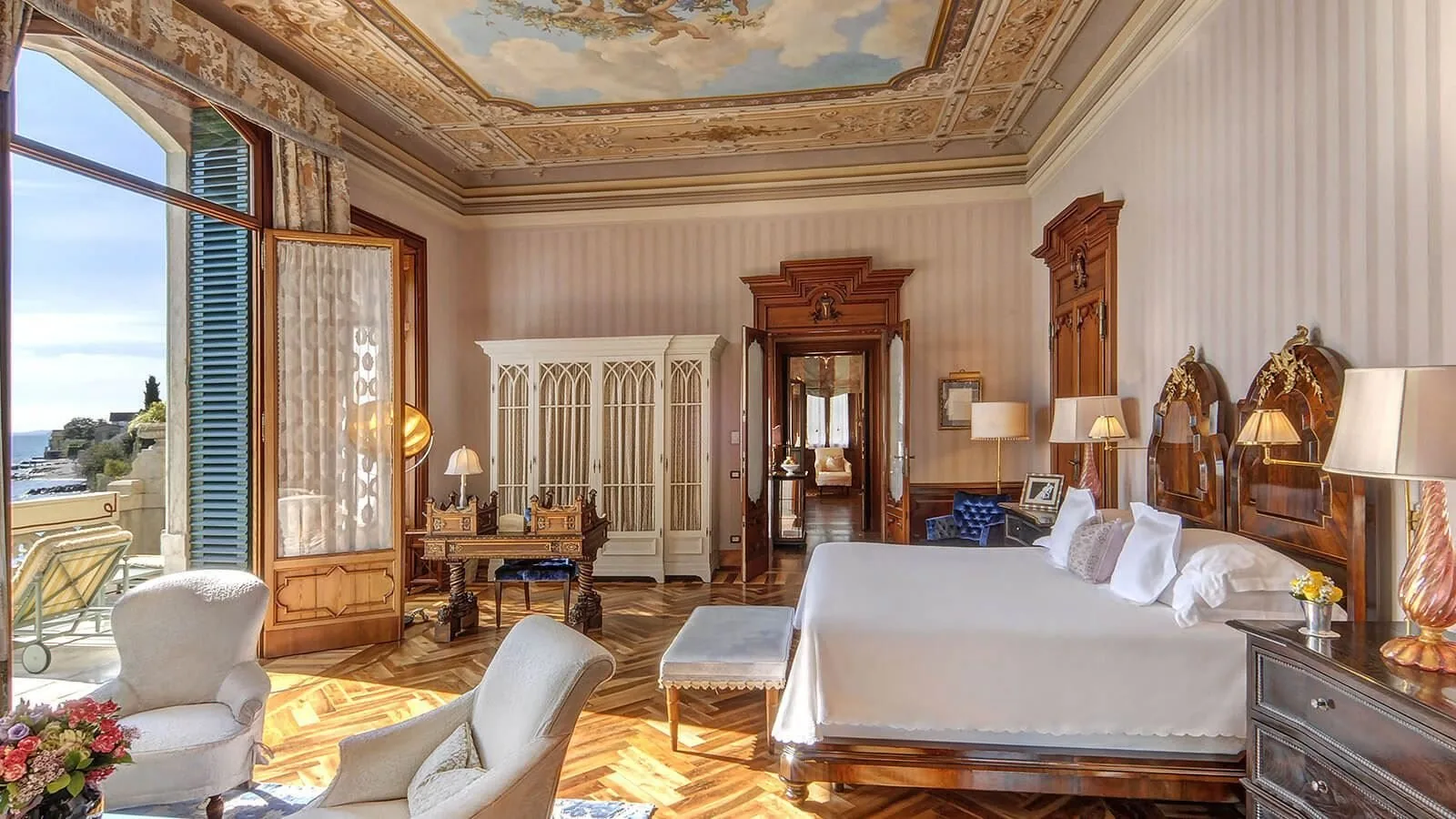
Imagine eight members of the same family travelling through Italy.
The grandmother has always wanted to see the paintings of Piero della Francesca. Her husband would rather spend an afternoon in a garden than another museum.
Their daughter has been organising everyone's flights, accommodation and restaurant reservations for the past six months.
Her teenage children are interested in clothes, photography and having a little independence.
The youngest member of the family is seven and would happily spend an entire day somewhere with a swimming pool.
They all want to go to Italy.
What they mean by an Italian holiday, however, differs considerably.
This is the interesting challenge of multigenerational travel.
The task is not simply to find activities that everyone can tolerate. It is to design a journey in which different people can enjoy different things without feeling that they are constantly separating from the family.
Italy is particularly well suited to this kind of holiday.
Its countryside hospitality, historic towns, food culture and extraordinary concentration of artistic heritage create numerous possibilities for travelling together without necessarily doing everything together.
The success of the journey depends on how it is conceived.
What Is Multigenerational Travel?
Multigenerational travel generally refers to a holiday involving several generations of a family, often grandparents, adult children and grandchildren.
It can also include extended families, adult siblings travelling with their respective children, or relatives gathering from different countries.
The journey may be associated with a significant occasion.
A seventieth birthday.
A golden wedding anniversary.
A family reunion after several years apart.
Sometimes there is no particular occasion beyond the desire to spend time together somewhere interesting.
Unlike a conventional family holiday involving parents and children, a multigenerational journey introduces several independent sets of preferences, physical requirements, budgets and expectations.
Accommodation needs become more complex.
Transportation needs to work for more people.
Restaurant reservations may require greater preparation.
And the person organising the holiday can easily discover that they are spending more time managing the family than enjoying Italy.
Professional travel design can be particularly useful in these circumstances.
How to Plan a Multigenerational Trip to Italy: The Essentials
For a family travelling across several generations, we would generally recommend:
- Ten to fourteen days for a substantial Italian journey.
- Two or three accommodation bases rather than frequent hotel changes.
- A private villa or country estate for part of the trip.
- Individually appropriate transportation.
- One principal shared experience on most days.
- Opportunities for different family members to follow separate interests.
- Early planning for accommodation, private arrangements and celebrations.
The itinerary should also reflect any mobility, dietary, medical or accessibility requirements that may affect the practical arrangements.
These should be considered before selecting accommodation rather than after reservations have been confirmed.
| Planning decision | Our preferred approach |
|---|---|
| Number of destinations | Fewer bases, with well-chosen excursions |
| Accommodation | Shared spaces combined with private bedrooms and bathrooms |
| Daily programme | One main activity, with optional additions |
| Transportation | Door-to-door planning according to individual needs |
| Meals | Selected shared reservations and flexible alternatives |
| Cultural visits | Focused experiences suited to different interests |
| Free time | Protected within the itinerary |
| Family celebrations | Planned separately from demanding travel days |
There is no reason for everyone to follow the same programme from breakfast until dinner.
That assumption creates unnecessary difficulty.
Begin With the Family Dynamics
Before discussing Venice, Tuscany or Lake Como, it is useful to understand how the family normally spends time together.
Some families enjoy long meals and conversation but prefer separate activities during the day.
Others share a strong interest in art, cooking, walking or music.
Some have never travelled together as adults.
These distinctions are particularly important when planning a holiday involving eight, ten or twelve people.
Who is organising the trip?
There is often one family member who becomes responsible for everything.
They research the hotels, circulate suggestions, collect everyone's flight information and negotiate decisions about the itinerary.
By the time the holiday begins, they may feel as though they have undertaken a considerable professional assignment.
We would establish one principal family contact while making sure that the other travellers' essential preferences are represented.
That person should not need to remain the family's unpaid travel coordinator throughout the holiday.
Clear arrangements, agreed reservations and defined responsibilities can make a substantial difference.
What does each generation want?
It can be useful to ask every adult what would make the journey worthwhile for them.
Not necessarily which city they want to visit, but what they hope to experience.
Perhaps one person wants to see Renaissance architecture.
Another would like to learn more about Italian wine.
Someone else wants several quiet afternoons.
A grandchild might be fascinated by ancient Roman history or Italian cars.
The itinerary can develop from these answers.
What does the family enjoy doing together?
Shared interests deserve particular attention.
Cooking, music, historic gardens, family stories and regional food can provide points of connection between generations.
But the family does not need to discover a shared passion for every Italian museum.
A long lunch can be as important to the structure of the journey as a private cultural visit.
The Best Regions in Italy for Multigenerational Travel
There is no single Italian region that suits every extended family.
The most useful destinations tend to offer attractive accommodation, manageable excursions, cultural variety and opportunities for different activities without excessive transportation.
Tuscany: particularly suitable for a shared country house
Tuscany is often an excellent starting point for families who want to combine cultural experiences with several days in one place.
A countryside villa can provide a setting in which different generations can spend time together without following identical routines.
Some family members might visit Florence or Siena.
Others might remain at the property, spend time in the garden or explore a nearby town.
Everyone can return for dinner.
The location of the villa matters considerably.
A property near Lucca has different excursion possibilities from one in the Val d'Orcia or southern Tuscany.
Do not assume that every Tuscan destination is within convenient driving distance of every other one.
Lucca and its surrounding countryside
Lucca is particularly interesting for families who appreciate a smaller urban environment.
Its historic centre is comparatively level, and the city walls provide a distinctive setting for walking and suitable cycling activities.
Churches, piazzas, restaurants and historic architecture can be explored without necessarily organising a demanding sightseeing programme.
A countryside property near Lucca can offer a useful combination of rural accommodation and access to a substantial historic town.
Individual routes and activities should still be assessed according to the family's mobility requirements.
Chianti and the countryside around Florence
This area can work particularly well for families who want countryside accommodation while retaining access to Florence's cultural institutions.
A private driver can take some members of the family into the city while others remain at the estate.
Shared experiences might include regional cooking, suitable winery visits, countryside lunches and individually arranged cultural activities.
Val d'Orcia
The landscape of southern Tuscany can become a substantial part of the holiday.
Historic towns, agricultural estates and regional restaurants provide several possible directions for excursions.
However, many hill towns contain steep streets and uneven surfaces.
The visual appeal of a town should not be confused with the practical suitability of its walking routes.
Umbria: a quieter country-house journey
Umbria is particularly interesting for families who want to spend a substantial part of their holiday away from the principal Italian cities.
Orvieto, Spoleto, Bevagna and Assisi introduce different aspects of medieval and Renaissance cultural history.
A country estate can serve as a base for selected excursions without requiring the whole family to travel every day.
The region's landscape and smaller towns also provide opportunities for a less structured holiday.
Families with mobility requirements should assess individual properties and destinations carefully.
Many historic Umbrian buildings and towns involve slopes, stairs and architectural features that cannot easily be adapted.
A beautiful view is often evidence that a property occupies an elevated position.
It is worth understanding what that means for everyday movement.
Lake Maggiore: villas, gardens and time beside the water
Lake Maggiore offers a particularly attractive combination of historic hospitality, architecture and landscaped gardens.
Stresa and other lakeside destinations can provide useful accommodation bases.
The Borromean Islands introduce several aspects of aristocratic life and garden design.
Boat excursions may appeal to different generations, although embarkation procedures, steps, walking routes and seasonal services must be considered individually.
A day does not need to include every island and garden.
One substantial visit, followed by lunch and an afternoon beside the water, may be more appropriate for the family.
Lake Garda: variety within one geographical area
Lake Garda can be particularly useful when family members have different interests.
Historic towns, lakeside walks, water-based activities, gardens and mountain landscapes create numerous possibilities.
The southern and northern parts of the lake have quite different characteristics.
A family interested in relatively gentle cultural excursions may choose a different location from one whose teenagers want more demanding outdoor activities.
The lake is also large enough that accommodation location can substantially affect daily transportation.
Choose the part of the lake that corresponds to the family's interests rather than simply search for the most desirable hotel anywhere around it.
Puglia: extended stays in a masseria
For a family that wants a substantial Mediterranean holiday, Puglia can offer an appealing alternative to travelling through several major cultural cities.
A historic masseria or private villa can become the centre of the journey.
Days might develop around regional cooking, Lecce's architecture, agricultural traditions and selected coastal excursions.
The attraction of this arrangement is that not everyone needs to leave the property each morning.
Families considering Puglia during summer should pay particular attention to air conditioning, shade, pool safety, distances and private transportation.
An attractive countryside property may be several kilometres from the nearest town or restaurant.
Emilia-Romagna: a family journey through food and design
Emilia-Romagna can be particularly interesting when the family has a wide range of interests.
Grandparents may appreciate Bologna's historic architecture.
Parents may be interested in the region's gastronomic culture.
Children and teenagers may enjoy participating in pasta making or learning about automotive design in Modena and Maranello.
Several of these interests can be combined without travelling across distant regions.
The family might divide its time between Bologna and a countryside estate, with selected private excursions according to individual preferences.
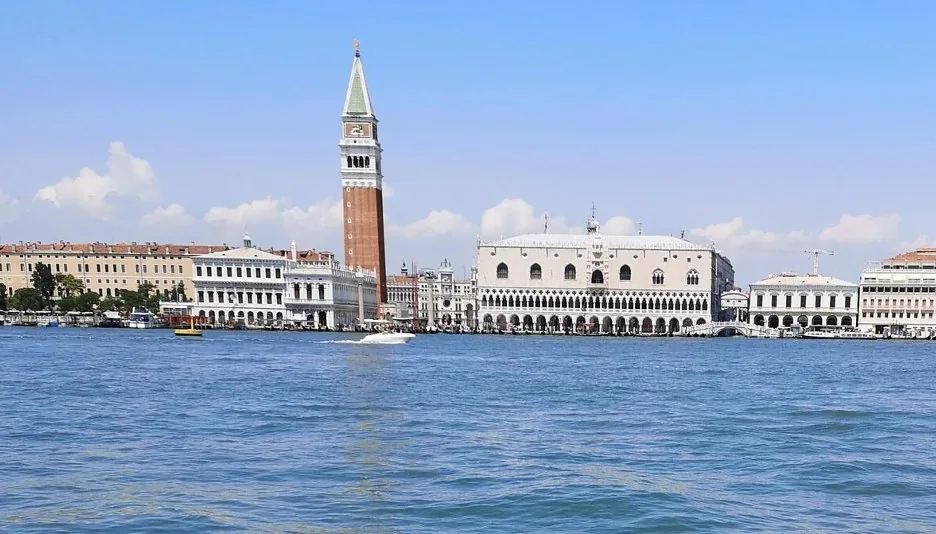
Venice and the Veneto
Venice requires particularly careful planning for extended families.
Its extraordinary architecture and cultural heritage make it a destination that several generations may want to experience together.
However, bridges, steps, narrow passages and water transportation can complicate movement.
This does not mean Venice should be excluded from a family itinerary.
It means that the choice of hotel, neighbourhood and visiting routes becomes especially important.
The city provides official accessible itineraries and maps that can help establish suitable routes for visitors with reduced mobility.
The surrounding Veneto also offers several possibilities for a family stay, including historic villas, Palladian architecture and countryside hospitality.
A short Venetian stay followed by several nights on the mainland may suit some families particularly well.
Official accessible Venice information: Venezia Unica: accessible Venice
Choosing the right region
| Family priority | Regions to consider |
|---|---|
| A shared villa and cultural excursions | Tuscany, Umbria |
| Gardens and lakeside hospitality | Lake Maggiore, Lake Garda, Lake Como |
| Mediterranean countryside and coastal travel | Puglia, selected parts of Sicily |
| Food, cooking and automotive history | Emilia-Romagna |
| Art, architecture and historic collections | Florence, Rome, Venice and the Veneto |
| Nature and outdoor activity | Trentino, South Tyrol, Dolomites |
| Family celebrations in a private residence | Tuscany, Umbria, Veneto, Puglia |
These recommendations are based on the character of the destinations rather than guaranteed accessibility or accommodation availability.
Individual arrangements should always be assessed according to the actual family.
Private Villa or Luxury Hotel: Which Is Better for a Multigenerational Holiday?
For larger families, the accommodation is often the most consequential decision.
It determines how easily people can spend time together, how much independence they retain and how complicated ordinary daily arrangements become.
A private villa can be particularly appealing.
But a villa is not automatically more comfortable than a hotel.
The answer depends on how the family wants to live during the holiday.
When a private villa makes sense
A villa can work particularly well when the family intends to spend five to seven nights in one region.
It provides private bedrooms, shared living spaces and opportunities to eat together without relying on restaurant reservations every evening.
Children may have room to play.
Adults can read, swim or spend time outdoors.
Family members who prefer different daily routines can share the same property without necessarily sharing the same timetable.
A suitable villa can also provide a setting for a significant celebration.
A birthday dinner at the house may be more personal than moving twelve people to a formal restaurant.
However, the operational details deserve attention.
Who prepares breakfast?
Is daily housekeeping included?
Can a chef be arranged?
How will people reach the nearest town?
What happens when several family members want to go somewhere independently?
These are questions about the actual experience of living in the villa.
When a luxury hotel is preferable
A hotel can provide greater convenience for families who want professional hospitality without coordinating the daily operation of a private residence.
Breakfast, housekeeping, reception services and restaurant facilities may already be available.
A centrally located city hotel can also give individual adults greater independence.
They can leave for a museum, a café or a walk without necessarily arranging a car for the entire family.
For a group with particularly different schedules, several hotel rooms may work better than an isolated countryside villa.
The disadvantages concern room configuration, shared spaces and the cost of accommodating several family units.
Confirm whether connecting rooms or adjacent rooms are guaranteed.
A request noted on a reservation is not necessarily a contractual commitment.
When an exclusive-use boutique hotel is worth considering
Some families prefer something between a villa and a conventional hotel.
An exclusive-use small property or historic country house may provide shared spaces and a degree of privacy while retaining certain hospitality services.
The arrangement can be particularly interesting for families of twelve or more, although suitability depends on bedroom numbers, staffing and the property itself.
Not every boutique hotel offers exclusive-use arrangements.
The conditions, services and costs must be confirmed directly.
Villa versus hotel comparison
| Consideration | Private villa | Luxury hotel |
|---|---|---|
| Privacy | Generally greater | Depends on room and property configuration |
| Shared family spaces | Often substantial | May be limited or shared with other guests |
| Daily services | Depend on staffing arrangements | Usually more readily available |
| Meals | Flexible, but may require a chef or self-catering | Restaurant and breakfast services may simplify arrangements |
| Independent movement | Depends heavily on location and vehicles | Often easier in central urban locations |
| Accessibility | Requires detailed property assessment | Requires confirmation of suitable room and facility access |
| Best duration | Usually longer regional stays | City stays and shorter visits |
| Family celebrations | Particularly suitable for private gatherings, subject to permission | Professional event facilities may be available |
For many multigenerational itineraries, the best solution is a combination of both.
Several nights in a cultural city, followed by a longer stay in a private residence, can provide a particularly effective balance.
A family villa should allow everyone to be together without requiring everyone to be together all the time.
Italian Country Properties Worth Researching
Italy's independent hospitality sector contains numerous properties that are particularly interesting for extended family travel.
The following examples illustrate different accommodation models rather than constitute confirmed recommendations for a specific family.
Tenuta di Tramonte, Tuscany
Located in the countryside near Lucca, Tenuta di Tramonte combines historic villas with a contemporary hospitality concept.
Its accommodation includes Villa Volpi and Villa Trenta, with whole-property rental arrangements described among the available possibilities.
This kind of estate may be particularly interesting for families who want shared accommodation while remaining connected to the cultural life of Lucca and the surrounding region.
The current rental arrangements, bedroom configurations, accessibility and included services should be confirmed directly.
Editorial reference: Italy Segreta: Tenuta di Tramonte
Historic estates around Arezzo and the Valdambra
The countryside between Florence, Siena and Arezzo contains a number of independent properties and historic residences.
Palazzo Tiglio in San Pancrazio is one example of the region's distinctive approach to small-scale hospitality.
For an extended family, this type of property might be worth assessing as either a shared accommodation option or part of a wider regional itinerary.
Do not assume that every historic property offers exclusive-use rental or suitable facilities for reduced mobility.
Editorial reference: Italy Segreta: Palazzo Tiglio
Countryside properties between Tuscany and Umbria
The areas around Cortona, Lake Trasimeno, Perugia and the surrounding countryside provide useful possibilities for families interested in cultural excursions and an extended regional stay.
A property should be selected according to the actual distances involved rather than its description as centrally located.
The countryside can appear compact on a map while requiring substantial driving between individual destinations.
Regional editorial reference: The Italy Edit: a road trip through Tuscany and Umbria
These properties and areas are examples for research. Their inclusion does not imply confirmed availability, commercial partnerships or suitability for every family.
What to Check Before Renting a Villa in Italy for an Extended Family
A private villa requires considerably more investigation than a conventional hotel room.
The photographs rarely answer the most important practical questions.
Bedrooms and bathrooms
Ask for an accurate floor plan.
Establish which bedrooms have private bathrooms, which require stairs and whether there are suitable ground-floor rooms.
A property described as sleeping twelve people may include sofa beds, smaller children's rooms or accommodation distributed across separate buildings.
These configurations can be entirely suitable for some groups and unacceptable to others.
Accessibility
A historic villa may contain external steps, narrow doorways, uneven floors and changes of level between rooms.
A ground-floor bedroom does not necessarily mean that the dining room, garden or swimming pool can be reached without stairs.
Ask for measurements and photographs of the relevant routes where appropriate.
Pool and outdoor spaces
For families with children, check pool fencing, gates, access arrangements and supervision requirements.
Do not assume that the presence of a fence means the pool is safe without adult supervision.
For older family members, establish whether there is sufficient shade, suitable seating and comfortable access to outdoor spaces.
Staffing and meals
Determine whether housekeeping, breakfast preparation, cooking, grocery shopping and other services are included or separately charged.
A private chef may be particularly valuable for a larger family.
But it is worth understanding the arrangements for dietary requirements, children's meals, shopping costs and kitchen access.
Transportation and location
Establish realistic driving times to the nearest town, pharmacy, suitable restaurants and important medical services.
Consider whether the family will require one vehicle or several.
A property that depends on a single driver for every movement can limit everyone's independence.
Additional costs
Clarify:
- Applicable taxes.
- Security deposits.
- Cleaning fees.
- Utilities and air conditioning.
- Pool heating, where applicable.
- Staff costs.
- Grocery expenditure.
- Minimum stays.
- Event permissions and additional charges.
- Cancellation conditions.
Compare the complete cost of staying at the property rather than its advertised nightly rental rate.
Travelling With Grandparents: Accessibility Without Assumptions
One of the mistakes made in multigenerational travel is treating older travellers as a single category.
Some seventy-year-olds are enthusiastic walkers who would happily spend a week exploring Italian hill towns.
Others may prefer shorter visits, regular opportunities to sit down or transportation with particular accessibility features.
Age alone tells us relatively little about the appropriate itinerary.
The relevant questions concern the individual.
How far do they comfortably walk?
Are stairs a problem?
Can they stand for extended periods?
Do they need assistance boarding a vehicle?
Would they prefer a shorter cultural visit?
The answers should inform the actual route.
Historic Italian cities and uneven surfaces
Italy's historic architecture is part of its attraction.
It also introduces practical limitations.
Cobbled streets, steep slopes, historic staircases and narrow pavements can make relatively short distances more demanding than expected.
A hotel described as five minutes from a museum may involve a route that is unsuitable for a particular traveller.
We would assess the journey itself, not simply the distance.
Accessible railway travel
Italy's railway infrastructure manager, RFI, provides assistance for eligible passengers with disabilities or reduced mobility through its Sala Blu network.
Services are available at participating stations, subject to the relevant booking procedures and conditions.
This can make railway travel a practical option for some multigenerational families.
The precise stations, boarding arrangements, train configuration and required assistance should be confirmed in advance.
Official information: RFI: assistance for persons with disabilities
Station-by-station assistance information: RFI: stations with assistance services, region by region
Museums and historic institutions
Many major Italian cultural institutions publish detailed accessibility information.
The Uffizi Galleries, for example, provide information about museum access, wheelchair and walking-frame arrangements, and a number of accessible cultural resources.
These should be assessed according to the individual visitor and the particular museum being visited.
Official accessibility information: Uffizi Galleries: accessibility
Venice's civic museum network also provides institution-specific information about services and accessibility.
Official information: Fondazione Musei Civici di Venezia: accessibility
The fact that a museum offers an accessible route does not necessarily mean every gallery, staircase or special exhibition is equally accessible.
Check the individual institution.
Venice deserves additional preparation
Venice can be particularly rewarding for older travellers, but the city's physical structure requires attention.
A private water taxi may reduce walking distances.
It does not automatically solve every boarding or accessibility problem.
Hotel water entrances, landing stages, tidal conditions, vessel design and individual mobility requirements can all influence the arrangements.
Where a traveller uses a wheelchair or needs substantial boarding assistance, confirm the suitability of the specific service rather than rely on a general description.
Health and practical preparation
Before departure, family members with existing health requirements should consider the advice of their own healthcare professionals.
Appropriate travel insurance, medication arrangements and access to necessary medical services should form part of the practical planning.
Travel designers can help assess locations and logistical requirements.
They should not substitute for medical advice or make unsupported assurances concerning healthcare availability.
Designing a Day That Works for Three Generations
The most useful approach is often to give the day a shared centre while allowing different things to happen around it.
Consider a family staying in Florence.
The grandparents want to visit the Bargello.
The teenagers are interested in photography and contemporary craftsmanship.
The youngest child would prefer an activity involving movement and participation.
There is little reason to insist that all of them spend three hours in the same museum.
An illustrative family day
| Time | Possible programme |
|---|---|
| Morning | Two separate cultural experiences: a sculpture-focused museum visit and a family workshop |
| Lunch | The entire family meets at a restaurant |
| Early afternoon | Hotel time, independent exploration or rest |
| Late afternoon | Optional neighbourhood walk or individual activity |
| Evening | Shared dinner |
The day still has a strong family character.
Its purpose is not diminished because different people spent the morning differently.
A similar arrangement works in the countryside.
Some family members might visit Siena with a specialist guide.
Others could remain at the villa.
The afternoon may belong entirely to the property.
Everyone gathers again for dinner.
This creates a more natural rhythm than asking twelve people to agree on every activity.
Shared Experiences That Are Actually Worth Organising
Some private experiences work particularly well across generations because they allow people to participate in different ways.
A private cooking experience
Cooking offers something relatively unusual in cultural travel.
People can learn, participate and talk without necessarily having identical interests or abilities.
A younger child might shape fresh pasta.
An older family member may be more interested in the origins of the recipe.
Someone else might enjoy discussing ingredients, regional differences and family food traditions.
The shared meal gives the activity a natural conclusion.
The experience should be adapted to the ages, dietary requirements and physical needs of the group.
Historic gardens
Italian gardens can provide a useful connection between architecture, landscape, history and nature.
Villa gardens around the northern lakes, historic estates in Tuscany and selected urban gardens can appeal to several generations.
However, not all historic gardens offer level walking routes.
Terraces, gravel paths and staircases can require preparation.
Choose the garden according to the people visiting it.
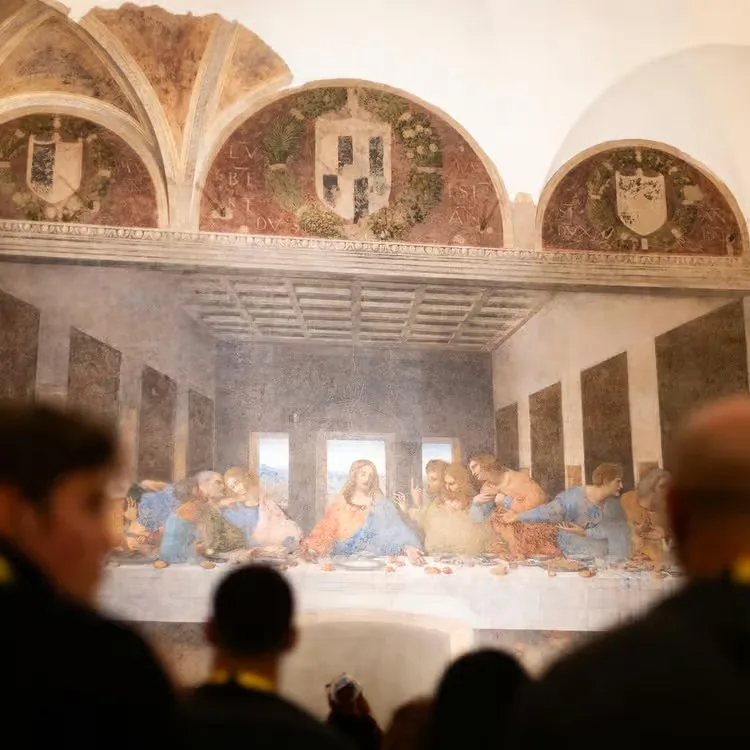
An individually designed cultural visit
A private guide can develop a visit around several family interests.
A historic palace might become an introduction to painting, architecture, clothing, furniture and the everyday life of the people who once inhabited it.
Children can be encouraged to observe particular objects.
Adults can explore the historical context.
The visit can remain intellectually interesting without requiring everyone to engage with the same material in the same way.
For more about this approach, read Luxury Family Travel in Italy: Beyond the Usual Attractions.
A visit to a working artisan
A workshop can bring different generations into contact with the same subject.
Textile production, ceramics, bookbinding, leatherwork or paper marbling can be approached through history, design, technique and practical observation.
Not every working business accepts visitors.
Participation, age restrictions and safety arrangements must be confirmed individually.
A private musical experience
For families with an interest in music, Italy offers opportunities to organise journeys around opera, historic theatres, concerts and musical heritage.
A performance at La Scala, a concert in a historic setting or an appropriately arranged musical event at a private property could become a particular focus.
The suitability of the programme depends on age, duration, availability and the interests of the family.
We would not arrange a formal evening performance simply because it is considered prestigious.
It should mean something to the people attending it.
A family lunch with no other important reservations
There is sometimes considerable pressure to justify every private arrangement with an educational or cultural purpose.
A long lunch in Italy needs no additional justification.
It can be the principal event of the day.
For a family whose members live in different countries, the opportunity to sit at the same table for several hours may be the actual reason for the journey.
Planning a Family Reunion or Significant Celebration in Italy
A multigenerational holiday often begins with a particular date.
A fiftieth wedding anniversary.
An eightieth birthday.
The first occasion on which several branches of a family have been able to meet for years.
Italy can provide a particularly personal setting for these gatherings.
But the celebration should not become an event that overwhelms the rest of the holiday.
Choose the setting before the decoration
A historic villa with a beautiful dining room, a garden or a terrace may require relatively little additional decoration.
The architecture and landscape are already part of the occasion.
A private dinner for ten or twelve people can be particularly meaningful when the setting allows time for conversation.
The choice of venue should reflect the family rather than imitate the conventions of a large wedding.
Consider different generations when choosing the format
A formal dinner beginning at nine in the evening may be difficult for young children.
A long outdoor lunch may be unsuitable during intense summer heat.
A historic venue with substantial stairs may exclude someone from part of the celebration.
These considerations are not secondary to the aesthetics.
They determine whether the entire family can participate comfortably.
Private chefs and family menus
A menu might reflect the region, a particular family tradition or ingredients associated with the place where the celebration is taking place.
Dietary requirements and allergies should be discussed in advance.
A private chef can also provide flexibility for families whose members have different meal preferences.
The service scope, staffing and food costs should be clearly established.
Photography and personal archives
Some families choose to arrange a documentary photographer for part of the gathering.
The objective need not be a conventional posed family portrait.
Photographs of conversations, shared meals and ordinary moments can become part of the family's own archive.
Agree the photography arrangements, image rights and privacy expectations before the event.
Particular care is required when photographing children.
Family history and meaningful destinations
For families with Italian ancestry, a reunion can take on another dimension.
Visiting a town associated with earlier generations, exploring relevant historical records or seeing a building connected with family history can give the journey a more personal direction.
The appropriate preparation depends on what is known, which records exist and what can realistically be researched before travelling.
This should be approached as a separate research assignment rather than promise that a family history can always be reconstructed during a holiday.
Practical event arrangements
Before confirming a celebration at a villa or historic property, establish:
- Whether the event is permitted.
- Guest capacity.
- Catering and staffing arrangements.
- Furniture and equipment requirements.
- Accessibility.
- Noise restrictions.
- Music permissions where applicable.
- Wet-weather alternatives.
- Transportation.
- Additional costs and cancellation conditions.
A private accommodation booking does not automatically include permission to organise an event.
For a more substantial celebration, begin discussions well before departure.
Transportation for Extended Families in Italy
Transportation becomes more complex as the number of travellers grows.
A family of ten may require two premium vehicles, a suitably configured minibus or a combination of rail and private road transportation.
The right arrangement depends on the route, luggage and individual requirements.
Private drivers
Private transportation can be particularly useful for countryside excursions, villa stays and journeys involving several smaller towns.
However, the advertised passenger capacity of a vehicle does not necessarily establish its luggage capacity.
Before confirming the service, provide accurate details concerning:
- Number of passengers.
- Number and size of suitcases.
- Child seats.
- Mobility equipment.
- Boarding assistance requirements.
- Proposed route and stops.
For larger families, two smaller vehicles may sometimes offer greater flexibility than one large vehicle.
They allow different activities to take place without requiring the entire family to travel together.
High-speed trains
For journeys between major Italian cities, the railway can remain an excellent option.
A transfer between Rome and Florence, for example, may be substantially quicker by high-speed train than by road.
Reserve seats together where possible and arrange any necessary station assistance in advance.
Consider the practical time required to move the family and luggage between accommodation and railway platforms.
Avoid retaining a driver unnecessarily
If the family is spending four nights in central Florence, a chauffeur service for every day may contribute very little.
Most cultural visits may take place within a comparatively compact area.
The budget could be used instead for selected private transportation during the countryside portion of the journey.
For a detailed comparison of these arrangements, read Private Drivers or First-Class Trains in Italy?
Three Multigenerational Italy Itineraries
The following examples illustrate three different approaches to extended family travel.
Each should be adapted according to the travellers, season, accommodation availability and individual requirements.
They are editorial examples rather than fixed commercial packages.
Itinerary one: Florence and a Tuscan family villa
Ten days, two accommodation bases.
Particularly suitable for families interested in Renaissance art, cooking, countryside hospitality and spending substantial time together.
| Destination | Nights | Main purpose |
|---|---|---|
| Florence | 3 | Cultural visits, art, architecture and individual interests |
| Tuscan countryside | 6 | Private villa, regional excursions, shared meals and family time |
| Total | 9 |
Days 1–4: Florence
Begin with several nights in Florence.
The family can explore the city through a combination of shared and individual cultural experiences.
Grandparents interested in painting might visit the Uffizi with a specialist.
Children could participate in a suitable creative workshop or family-focused cultural visit.
Teenagers might explore craftsmanship, fashion or photography.
The central hotel location allows individual family members to return independently.
Days 4–10: Tuscan countryside
Move to a suitable country property.
The remaining stay can include selected excursions, a private cooking experience, visits to regional producers and substantial time at the accommodation.
A family celebration could be organised during this period, subject to property permissions and individual arrangements.
We would not plan a demanding excursion on the day of the celebration.
Itinerary two: Venice and the northern Italian lakes
Ten days, two accommodation bases.
Particularly suitable for families interested in architecture, gardens, historic hospitality and a quieter lakeside conclusion.
| Destination | Nights | Main purpose |
|---|---|---|
| Venice | 4 | Art, architecture, craftsmanship and individual cultural visits |
| Lake Maggiore | 5 | Historic gardens, lakeside accommodation, boat excursions and family meals |
| Total | 9 |
Days 1–5: Venice
Choose a hotel according to the group's specific access requirements.
Develop the cultural programme around a small number of important visits rather than attempt to move everyone across the city repeatedly.
Some activities can take place independently.
A shared boat excursion or carefully selected cultural visit could provide a common experience.
Days 5–10: Lake Maggiore
Continue to a suitable lakeside property.
The transfer from Venice requires a substantial part of the day and should be planned as such.
The remaining stay can include visits to historic villas and gardens, appropriate boat excursions and afternoons without scheduled activities.
Individual accessibility and seasonal transport arrangements should be established before confirming excursions.
Itinerary three: Rome, Umbria and Tuscany
Fourteen days, three accommodation bases.
Particularly suitable for a family with several different cultural interests and a preference for longer regional stays.
| Destination | Nights | Main purpose |
|---|---|---|
| Rome | 4 | Ancient history, art and separate cultural programmes |
| Umbria | 5 | Country estate, historic towns and shared experiences |
| Tuscany | 4 | Regional cooking, architecture, family celebration and countryside time |
| Total | 13 |
This itinerary begins with a substantial urban experience and gradually becomes less structured.
The accommodation in Umbria and Tuscany should be selected to avoid excessive driving and provide clearly different regional experiences.
Depending on the family's interests, it may be preferable to combine the two countryside stays into one longer accommodation base.
There is no obligation to use every available destination simply because the holiday lasts two weeks.
For general guidance on trip duration, read How Many Days Do You Really Need in Italy?
How Much Does a Luxury Multigenerational Trip to Italy Cost?
The financial structure of an extended family holiday differs considerably from that of a private trip for two.
Accommodation, transportation and certain cultural experiences can be shared.
Other expenses increase according to the number of travellers.
A villa rental may become more financially attractive as the family grows, but additional staffing, vehicles, meals and individual activities must be included in the comparison.
For a family of eight travelling for ten days and nine nights in 2027, the following illustrative land budgets provide a starting point.
| Travel style | Estimated total for eight |
|---|---|
| Comfortable private journey with selected premium accommodation | €28,000–€40,000 |
| Luxury hotels, private villa and substantial individual arrangements | €45,000–€70,000 |
| Landmark properties, extensive staffing and elaborate private experiences | €80,000–€120,000+ |
These figures are hypothetical editorial planning ranges rather than measured market averages, supplier quotations or Backstage Italy service prices.
International flights are excluded.
The appropriate budget depends on family size, room requirements, season, villa arrangements, transportation and the complexity of the programme.
What a €50,000 multigenerational trip might include
Consider eight travellers across three generations, spending three nights in Florence and six nights at a private Tuscan property.
| Expense | Illustrative cost |
|---|---|
| Florence accommodation: three nights | €8,400 |
| Private countryside villa: six nights | €15,600 |
| Private transportation | €5,500 |
| Cultural guides and admission tickets | €3,200 |
| Workshops and individually arranged experiences | €2,800 |
| Restaurants and ordinary meals | €5,000 |
| Private chef and family celebration allowance | €4,000 |
| Professional planning and coordination allowance | €3,500 |
| Local taxes, gratuities and contingency | €2,000 |
| Total | €50,000 |
This works out at €6,250 per traveller, although actual expenditure would not necessarily be divided equally among family members.
The Florence allowance assumes four rooms at an average of €700 per room per night.
The villa allowance assumes a whole-property rental averaging €2,600 per night.
These assumptions illustrate how a shared property can affect the financial structure of the holiday.
They do not guarantee suitable accommodation at these prices.
The professional planning allowance is illustrative and does not represent an established Backstage Italy tariff.
International flights, insurance, personal shopping and separately requested additional services are excluded.
Why budgets need to be discussed early
Extended families sometimes discover that individual expectations differ considerably.
One household may have a particular accommodation budget.
Another may be comfortable spending considerably more.
Grandparents may intend to pay for the entire trip, or expenses may be shared among several households.
Before developing the itinerary, establish how the financial arrangements will work.
It can be useful to distinguish shared expenditure from individual expenditure.
A villa, private transportation and family celebration might be shared costs.
Separate hotel upgrades, shopping and individual activities might be paid for independently.
These arrangements should be agreed before reservations are made.
Financial ambiguity can create unnecessary tension during an otherwise enjoyable holiday.
For a wider comparison of private Italian travel budgets, read What €10,000, €20,000 and €50,000 Can Buy You in Italy.
When Is the Best Time for Multigenerational Travel in Italy?
The appropriate season depends on school holidays, family commitments, mobility considerations and the intended destinations.
April and May
Spring can work particularly well for city visits, gardens and countryside accommodation.
Temperatures may be more comfortable for extended walking than during midsummer.
However, Easter and popular spring travel periods can create substantial demand.
Swimming facilities may not yet be appropriate for every family, particularly if pools are unheated.
June
June can offer an appealing combination of cultural travel and outdoor hospitality.
It can be particularly useful for families whose school holidays begin relatively early.
The northern lakes, countryside properties and coastal destinations become increasingly popular.
Desirable family accommodation should be considered well ahead.
July and August
Summer may be the only practical period for a family travelling from several countries with school-age children.
We would adapt the itinerary rather than insist that the family travel at another time.
This may mean:
- Fewer consecutive sightseeing days in major cities.
- Longer countryside or lakeside stays.
- Accommodation with appropriate cooling and shade.
- Early cultural visits.
- More flexible afternoons.
- Careful selection of outdoor activities.
August requires additional attention to domestic holiday patterns and individual business closures around Ferragosto.
September and October
Early autumn can be particularly rewarding for families with adult children or greater flexibility regarding school calendars.
Regional food, wine, exhibitions and countryside hospitality can become central to the itinerary.
September remains popular in many destinations.
October also brings specific gastronomic and agricultural events, particularly in certain wine regions.
Winter
Winter can be suitable for a family reunion centred on historic cities, food and cultural experiences.
A celebration in a city hotel or appropriately heated private residence can work particularly well.
Check the property's seasonal operation, heating arrangements and the availability of external services.
An Italian villa that is wonderful in June may offer an entirely different experience in December.
How Far in Advance Should You Plan a Multigenerational Trip?
For a substantial multigenerational journey, we would generally recommend beginning nine to twelve months before departure.
A private villa during the school holidays, an extended family gathering or an important celebration may justify beginning twelve to eighteen months ahead.
The challenge is not simply finding accommodation for a particular number of people.
It is finding the right accommodation for a particular combination of people.
A suitable property may need:
- Four or more well-configured bedrooms.
- Private bathrooms.
- Appropriate accessibility.
- Shared dining spaces.
- Children's facilities.
- Suitable outdoor areas.
- Convenient geographical access.
- Specific availability for everyone travelling.
Those requirements can substantially narrow the selection.
Suggested planning timeline
| Time before departure | Main decisions |
|---|---|
| 12–18 months | Establish dates, family size, celebration requirements and overall budget |
| 9–12 months | Select the route and secure important accommodation |
| 6–9 months | Confirm principal cultural experiences and celebration arrangements |
| 3–6 months | Arrange suitable transportation, staffing and specialist visits |
| 1–3 months | Confirm dining, individual activities and detailed requirements |
| Final 2 weeks | Reconfirm room arrangements, arrival details, assistance and supplier contacts |
These are recommended planning windows rather than guaranteed supplier reservation deadlines.
Some arrangements can only be confirmed when their official booking calendars open.
For a complete explanation, read How Far in Advance Should You Plan a Trip to Italy?
Seven Mistakes to Avoid When Travelling Across Generations
1. Expecting everyone to enjoy the same itinerary
A shared holiday does not require identical days.
Build in opportunities for different interests.
2. Assuming the most expensive property is the most suitable
An extraordinary historic villa may have stairs, difficult access or impractical bedroom arrangements.
Assess the actual property.
3. Giving the organising family member too much responsibility
Agree on the itinerary, reservations and financial arrangements before departure.
Where professional assistance is included, establish who handles practical changes during the trip.
4. Underestimating transportation requirements
Moving ten people and their luggage is a different assignment from arranging transportation for a couple.
Allow suitable vehicles, sufficient time and appropriate assistance.
5. Planning according to age rather than ability
Do not automatically assume that grandparents need a slow itinerary or that teenagers want demanding activities.
Ask the individuals concerned.
6. Turning every meal into an elaborate reservation
An ambitious restaurant programme can become tiring for a large family.
Include relaxed meals at the accommodation and opportunities to eat independently.
7. Making the celebration compete with the holiday
A significant anniversary or birthday deserves preparation.
But the rest of the family journey should not become a continuous sequence of arrangements leading to one evening.
Allow the celebration to belong naturally within the trip.
Do You Need a Private Travel Designer for a Multigenerational Italy Trip?
For a family of three or four spending a week at one hotel, independent planning can be relatively straightforward.
For an extended family travelling from several countries, staying in several places and organising individual activities or a private celebration, the assignment changes considerably.
A travel designer can help establish which accommodation configurations work, how different interests can be accommodated and which arrangements require individual coordination.
The service may also reduce the amount of work undertaken by the person organising the family gathering.
Depending on the agreed scope, professional planning can involve:
- Developing an itinerary around several family members.
- Evaluating private villas and hotels.
- Coordinating suitable transportation.
- Identifying appropriate cultural specialists.
- Organising shared and independent experiences.
- Discussing practical accessibility requirements with suppliers.
- Coordinating private dining and celebrations.
- Providing pre-departure information and agreed support.
The precise responsibilities should be established before engaging the service.
Professional planning does not guarantee that every requested property, activity or arrangement will be available.
Its value lies partly in identifying suitable alternatives before important commitments have been made.
For a closer look at professional planning models, read Is Hiring a Private Travel Planner for Italy Worth It?
Our Approach to Multigenerational Travel at Backstage Italy
Our work in Italian cultural travel began in 2016.
That experience continues to influence the way we approach family journeys.
Italy contains enough cultural material to interest people with very different backgrounds, ages and preferences.
The important work is finding the connections between them.
A grandmother's interest in Renaissance painting may lead to a discussion about the clothes worn by the people represented in those paintings.
That subject may interest a teenager fascinated by fashion.
A visit to a historic villa may introduce architecture to one person, garden design to another and the daily life of an earlier family to someone else.
The same place can have several meanings.
The itinerary does not need to resolve those differences.
It needs to accommodate them.
We also recognise that extended families often come to Italy for something considerably simpler than cultural discovery.
They want to spend time together.
The accommodation, private visits, meals and transportation should support that intention rather than occupy all the time available for it.
Sometimes the right decision is to arrange nothing for an afternoon.
Someone goes into town.
Someone reads in the garden.
The children spend time outside.
Dinner is served at the house.
Nobody needs to check what the rest of the itinerary says.
For us, that can be a particularly successful travel day.
Planning Italy with your parents, children or extended family? Tell us about the people travelling and the occasion behind the journey.
See also our notes on concierge services for extended families.
Frequently Asked Questions
Is Italy a good destination for multigenerational travel?
Yes. Italy offers a useful combination of private country houses, historic cities, regional food, gardens, cultural institutions and opportunities for individually arranged experiences. The itinerary should be designed around the family's particular interests and practical requirements.
What is the best region in Italy for a multigenerational family holiday?
Tuscany is particularly suitable for families who want a shared villa with access to cultural destinations. Umbria, Lake Maggiore, Lake Garda, Puglia and Emilia-Romagna also offer interesting possibilities. The appropriate region depends on the family, season and preferred experiences.
How many days should a multigenerational trip to Italy last?
Ten to fourteen days provide a useful starting point for a substantial family journey. Two or three accommodation bases are generally preferable to frequent hotel changes. Shorter journeys can work particularly well around one suitable property.
Is a private villa better than a hotel for an extended family in Italy?
A private villa can offer shared spaces, privacy and flexibility for larger families. A hotel may provide more convenient daily services and individual independence. Combining a city hotel with a longer villa stay can be particularly effective.
Can Italy be suitable for grandparents with limited mobility?
Yes, depending on the destinations and individual arrangements. Historic streets, stairs and uneven surfaces require preparation. Suitable accommodation, accessible cultural routes, railway assistance and appropriate transportation can help make the journey more manageable.
Is Venice suitable for a multigenerational family?
Venice can be rewarding for several generations, although bridges, water transportation and hotel access deserve particular attention. The city publishes accessible itineraries that can assist with route planning.
How much does a luxury multigenerational trip to Italy cost?
For eight travellers spending ten days in Italy, an illustrative private luxury travel budget might range from €28,000 to €70,000 or more. Landmark accommodation, substantial staffing and elaborate celebrations can increase the budget considerably. International flights are additional.
Can a travel designer organise a family reunion in Italy?
A travel designer can help develop accommodation, transportation, cultural experiences and shared dining arrangements for a family reunion. Larger celebrations may require additional event specialists and property permissions.
What activities work well for grandparents and grandchildren in Italy?
Cooking, historic gardens, artisan visits, appropriate boat excursions and individually designed cultural experiences can provide interesting shared activities. Suitability depends on each person's interests, physical abilities and age.
Should every family member participate in every activity?
No. Allowing different family members to follow separate interests can improve the shared holiday. Meals, selected cultural experiences and time at the accommodation can provide common points throughout the journey.
How far in advance should I book a villa for a family reunion in Italy?
Nine to twelve months ahead is a useful starting point. Particularly desirable properties, peak-season dates and more complex gatherings may require twelve to eighteen months of preparation.
Can we organise a private chef at a family villa in Italy?
Many villas permit private chef arrangements, although availability, kitchen facilities, staffing, food costs and property conditions vary. These should be confirmed before the reservation is made.
Can a multigenerational trip include a celebration or anniversary?
Yes. A significant birthday, anniversary or reunion can become part of a private Italian itinerary. Confirm venue permissions, accessibility, catering, staffing and weather alternatives before finalising the event.
Is private transportation necessary for a multigenerational journey?
Not throughout every trip. High-speed trains can be particularly practical between major cities, while private transportation is valuable for countryside accommodation, larger groups and multi-stop excursions.
A Holiday in Which Nobody Has to Give Up Their Italy
The most interesting family journeys are rarely the ones in which everyone agrees about everything.
There is pleasure in discovering what other members of the family find interesting.
A teenager may notice something about an Italian building that the adults have overlooked.
A grandparent may tell a story prompted by a particular place.
Someone who had little interest in a planned cultural visit may become fascinated by an object, a painting or a conversation.
These things happen more easily when the itinerary leaves sufficient space for them.
A multigenerational trip to Italy is not an attempt to organise one perfect holiday for eight identical travellers.
It is an opportunity to create several different holidays within one shared journey.
That is where thoughtful travel design becomes particularly valuable.
Editorial note: Accommodation options, itineraries and financial examples are illustrative. The 2027 budget assumptions are not live supplier quotations or Backstage Italy tariffs. Property accessibility, staffing, activity suitability, museum arrangements, transportation services and event permissions must be confirmed according to the actual travellers and intended dates. Official railway and museum accessibility information was reviewed in November 2026.
Bring your family to Italy.
A significant birthday, a reunion or simply the opportunity to spend time together. Tell us about the generations travelling, the places you would like to explore and the kind of time you want to share.
We design private Italian journeys around the particular dynamics of each family.
Plan your family gatheringMore from the journal
Family Travel
Luxury Family Travel in Italy: Beyond the Usual Attractions
How to introduce children to Italian culture without spending the entire holiday asking them to behave in museums.
Travel Planning
How Far in Advance Should You Plan a Trip to Italy?
An Italian travel booking calendar, from the hotels worth reserving a year ahead to the museum tickets you cannot buy until a month before departure.
Travel Planning
Private Drivers or First-Class Trains in Italy?
Where a chauffeur is worth the expense, when the railway is considerably better, and how to combine both in a private Italian journey.