
Travel Planning
What €10,000, €20,000 and €50,000 Can Buy You in Italy
Three budgets, three private journeys and a closer look at how money changes the way you experience Italy.
By Backstage Italy · · 25 min read
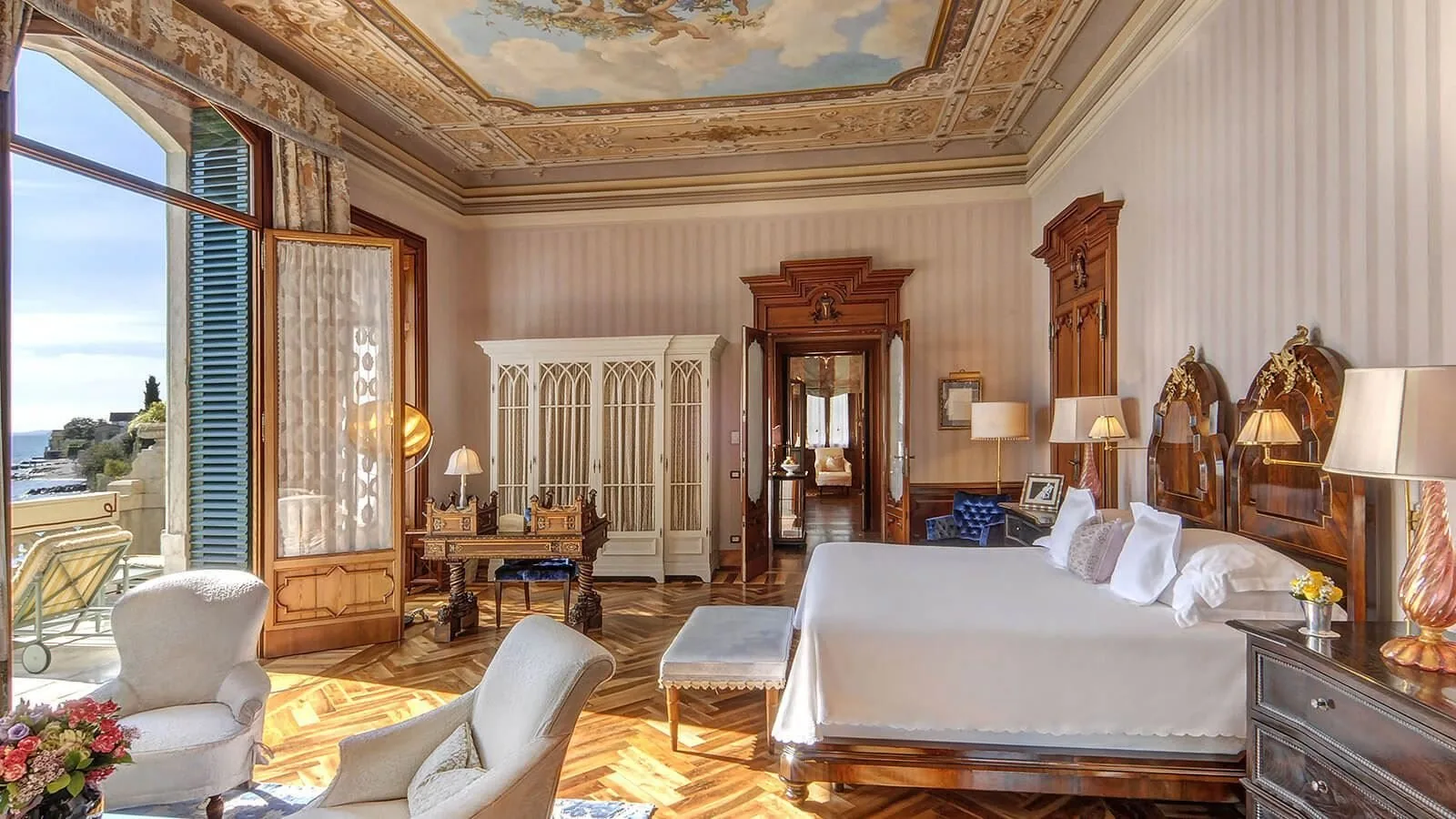
There are hotels in Italy where €10,000 will pay for little more than a few nights in a particularly desirable suite.
There are also places where the same amount can cover ten days of beautiful accommodation, excellent food, private cultural visits and a remarkably good bottle of wine with dinner.
Both belong to the Italian luxury travel market.
What interests us is the enormous difference between the two experiences.
In Italy, spending more does not necessarily mean seeing more. Often, it means having greater control over how you spend your time, where you stay, who accompanies you and how much privacy you have.
A generous budget might buy a magnificent room on Lake Como. It might also allow you to spend several days with a specialist studying the history of Venetian architecture.
Those are different priorities.
To illustrate what an Italy luxury vacation budget can realistically achieve, we have designed three hypothetical journeys costing €10,000, €20,000 and €50,000.
Each is based on two adults travelling for ten days and nine nights in 2027, excluding international flights.
The figures include an illustrative allowance for professional travel planning. They are not confirmed supplier prices, existing travel packages or published Backstage Italy service fees.
Italy Luxury Vacation Budget: Three Journeys Compared
| Item | €10,000 | €20,000 | €50,000 |
|---|---|---|---|
| Travellers | 2 | 2 | 2 |
| Duration | 10 days | 10 days | 10 days |
| Budget per person | €5,000 | €10,000 | €25,000 |
| Accommodation | Boutique hotels and selected five-star stays | Five-star hotels and distinctive historic properties | Landmark luxury properties and premium rooms or suites |
| Transportation | First-class rail and selected private drivers | Private transfers and first-class rail | Extensive private transportation and selected boat charters |
| Cultural visits | Carefully selected private visits | Several specialist-led experiences | Extensive individual cultural arrangements |
| Dining | Excellent regional restaurants | Regional dining and selected fine dining | Greater flexibility for fine dining and private arrangements |
| Travel planning | Focused professional assistance | More comprehensive coordination | Extensive bespoke design and coordination |
These three journeys have deliberately been given the same duration.
An equally valid approach would be to use a €20,000 budget for two weeks rather than ten days, or spend €50,000 on a month in Italy rather than concentrate it on the country's most expensive properties. We have written separately about how long to spend in Italy.
The amount you spend is only one of the decisions.
€10,000: An Italy Chosen With Care
The journey: Turin, the Langhe and Lake Maggiore.

Nine nights. Three accommodation bases. A strong emphasis on architecture, regional food, wine and beautiful places to stay.
At this budget, we would be careful about the geography of the trip.
A combination of Venice, Capri and Lake Como during peak season would leave relatively little money for experiences after accommodation and transportation.
Piedmont and Lake Maggiore offer a more interesting proposition.
You can spend several days in a city with extraordinary architecture, continue into one of Europe's great wine regions and finish beside a lake associated with aristocratic villas and botanical gardens.
The journey has considerable variety without requiring long transfers across the country.
Days 1–3: Turin
Turin is an unusually rewarding city for people who appreciate architecture, design, antiques and food.
Its grand squares, historic cafés and extensive porticoes give it an atmosphere quite different from Milan or Florence.
We would choose a small, well-located hotel within walking distance of the city's historic centre.
The programme might include a private architectural introduction to Turin, a visit to the Museo Egizio or the city's royal collections, and enough time to explore its cafés, galleries and independent businesses.
Dinner need not become an expensive production every evening.
Piedmontese cooking is sufficiently interesting that a well-chosen traditional restaurant can be the focus of the day.
Vitello tonnato, agnolotti del plin and the region's wines offer a better introduction to the place than an international hotel restaurant serving familiar luxury dishes.
Days 4–6: The Langhe
Three nights in the countryside, ideally somewhere that gives you a reason to return to the hotel in the afternoon.
The Langhe is a landscape of vineyards, hill towns and small agricultural businesses.
Accommodation can range from relatively simple farm stays to sophisticated historic properties.
One example worth researching is Dai Gresy, a small boutique property created from an old farmhouse in the Barbaresco area. Relais San Maurizio, set within a former monastery, represents a more expensive interpretation of countryside hospitality.
Neither is included at a guaranteed rate in this illustrative budget.
We would concentrate the private transportation budget on one or two properly planned wine days rather than reserve a vehicle for every hour of the stay. See also choosing the right transportation in Italy.
Visit a small number of producers. Learn something about the difference between Barolo and Barbaresco. Have lunch somewhere where the cooking makes sense in the context of the landscape.
There is little advantage in arranging four consecutive wine tastings simply because it is possible.
Days 7–10: Lake Maggiore
For the final three nights, we would look around Stresa or another suitable lakeside location.
Lake Maggiore has its own history of grand hotels, gardens and aristocratic residences.
The Borromean Islands provide a particularly interesting introduction to the relationship between architecture, landscape and Italian aristocratic life.
A visit to Isola Bella and its gardens, depending on seasonal opening dates, could be followed by a long lunch and an afternoon beside the lake.
At this budget, a public boat service or selected private transfer may make more sense than chartering a boat for an entire day.
The hotel should be comfortable enough to enjoy, without absorbing the money reserved for the rest of the journey.
How the €10,000 budget might be allocated
| Expense | Estimated cost for two |
|---|---|
| Accommodation: 9 nights | €4,050 |
| Private guides and admissions | €900 |
| Rail and selected private transportation | €1,300 |
| Wine and other individual experiences | €650 |
| Restaurants, cafés and wine | €1,600 |
| Professional travel planning allowance | €1,000 |
| Local taxes, gratuities and contingency | €500 |
| Total | €10,000 |
The accommodation budget averages €450 per night.
That might mean spending €300–€400 on a city hotel and considerably more on a particularly attractive countryside property.
It would not normally allow for nine nights in internationally famous five-star hotels, especially during the most expensive travel periods.
What €10,000 does particularly well
This budget can provide a thoughtful, comfortable and culturally interesting journey when the destinations have been selected carefully.
You can eat exceptionally well, stay in attractive hotels and arrange several private experiences.
The main compromises concern premium room categories, continuous private transportation and the most expensive destinations during peak season.
For someone who values regional culture and good hospitality more than recognisable hotel names, those compromises may be entirely acceptable.
€20,000: More Time With the Right People
The journey: Venice, Florence and the Tuscan countryside.
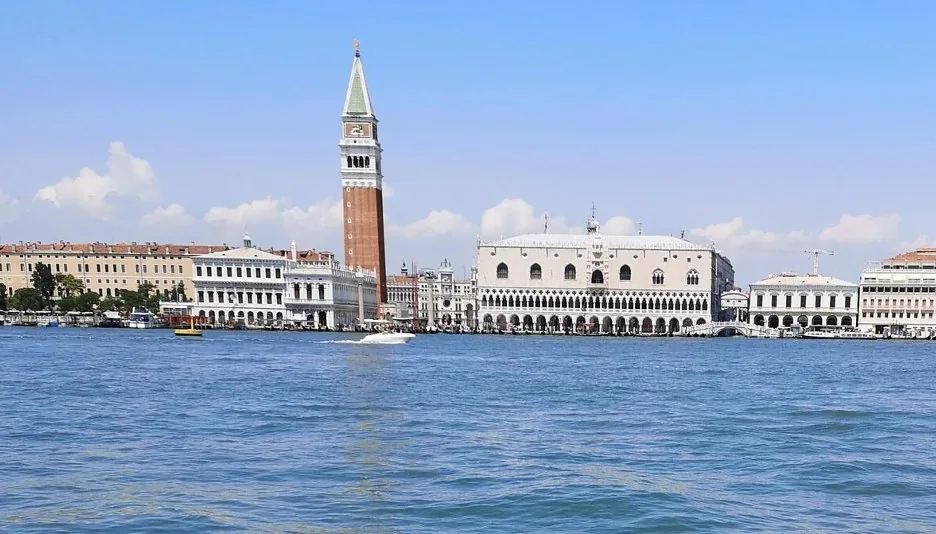
Nine nights. Three historically connected destinations. A greater emphasis on distinctive accommodation and specialist cultural experiences.
At €20,000 for two, the itinerary becomes more flexible.
You can combine several expensive cities without necessarily sacrificing the experiences that brought you there.
The additional budget allows for a more interesting balance between hotel selection, expert knowledge and transportation.
It also makes it easier to arrange experiences for particular interests rather than choose only from widely available activities.
Days 1–4: Venice
Three nights in Venice, in a historic property or carefully chosen boutique hotel.
A hotel such as Violino d'Oro is an interesting example of accommodation informed by Italian art, interiors and craftsmanship. Ca' di Dio represents another approach, combining a historic setting with contemporary hospitality.
The final hotel and room category would depend on travel dates and availability.
Rather than attempt to cover Venice through a single comprehensive tour, we would divide the cultural programme into subjects.
One morning might explore Venetian painting and the relationship between the city's wealth and its religious institutions.
Another could focus on textiles, historic interiors and craftsmanship.
Palazzo Mocenigo, with its collections relating to dress, textiles and perfume, would be particularly relevant for travellers interested in decorative arts.
A private visit with a specialist might help connect these interests to the architecture and commercial history of the city.
There would also be an afternoon without reservations.
Venice is particularly beautiful when you have nowhere specific to be.
Days 4–7: Florence
Three nights in Florence, ideally in a hotel chosen for its neighbourhood as much as its interiors.
For travellers interested in craftsmanship and independent businesses, the Oltrarno can provide a particularly appealing base.
A private visit to the Uffizi might form part of the programme, but we would not assume that every visitor needs the same sequence of museums.
For someone interested in sculpture, the Bargello may deserve particular attention.
For someone fascinated by historic domestic interiors, Palazzo Davanzati offers a different perspective on Florentine life.
A visit to Santa Croce can bring together several centuries of painting, architecture and cultural history within a single building.
The remaining time might be spent in workshops, galleries and neighbourhood restaurants.
At this budget, the emphasis would be on choosing the right specialists rather than maximising the number of private tours.
Days 7–10: The Tuscan countryside
Three nights in a historic country estate.
The choice between the Val d'Orcia, Chianti and the countryside around Florence depends on what you want to do.
A traveller interested in medieval architecture might prefer a different location from someone whose priority is visiting several wine producers.
Properties such as Borgo Pignano, Lupaia or other distinctive rural hotels could be considered according to rates and availability.
We would leave at least one substantial part of the stay free to enjoy the property itself.
A vineyard visit, a private cooking experience or an excursion with a knowledgeable local guide might provide the principal activity of another day.
Dinner could take place at the hotel one evening and at a carefully chosen countryside restaurant the next.
The advantage of the additional budget is the ability to make these decisions according to preference rather than repeatedly compromise on cost.
How the €20,000 budget might be allocated
| Expense | Estimated cost for two |
|---|---|
| Accommodation: 9 nights | €8,550 |
| Private guides and admissions | €2,100 |
| Private transfers and first-class rail | €2,200 |
| Specialist experiences and workshops | €1,650 |
| Restaurants, cafés and wine | €2,800 |
| Professional travel planning allowance | €2,000 |
| Local taxes, gratuities and contingency | €700 |
| Total | €20,000 |
The accommodation allowance averages €950 per night.
Depending on the season, this can support an excellent standard of accommodation across several of Italy's most desirable cultural destinations.
It does not guarantee suites or entry-level rooms at every internationally celebrated property.
What changes between €10,000 and €20,000?
The additional €10,000 buys considerably more choice.
You can select hotels from a broader range of properties, arrange more private cultural experiences and introduce private transportation where it improves the journey.
You may be able to choose a more desirable room category rather than accept whatever is available within a restrictive hotel allowance.
The itinerary can also respond more closely to particular interests.
Someone fascinated by Renaissance art might spend additional time with an appropriate specialist. Someone interested in contemporary Italian craftsmanship could devote several days to workshops and individual appointments.
These arrangements would be harder to prioritise within a smaller budget.
For many couples, €20,000 is a particularly comfortable starting point for a ten-day private Italian journey with luxury accommodation and substantial professional coordination.
It still requires choices.
But there are considerably fewer of them.
€50,000: Privacy, Flexibility and Exceptional Accommodation
The journey: Milan, Lake Como and the Veneto.
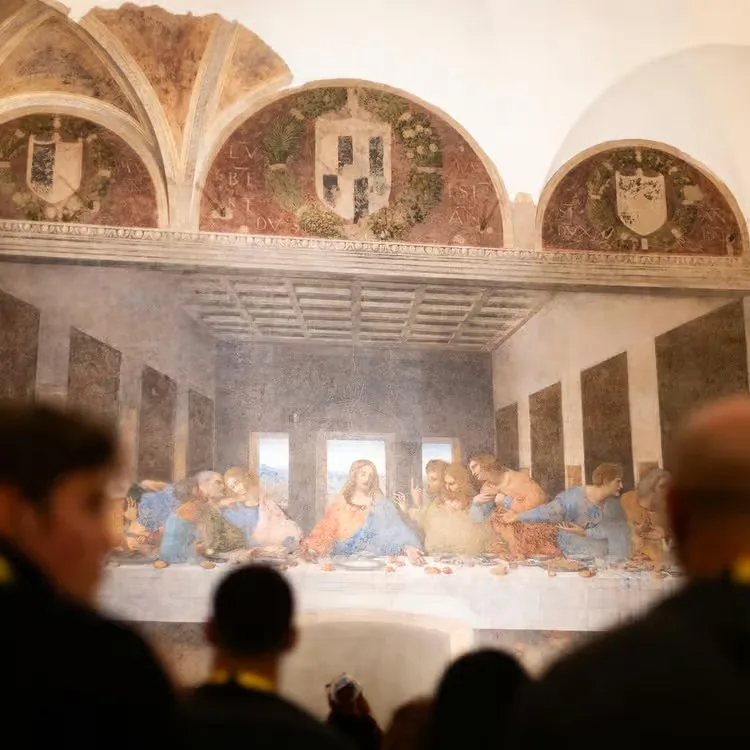
Nine nights. Landmark accommodation, premium room categories, private transportation and a programme developed around the travellers' individual interests.
A €50,000 Italy vacation budget allows for a different relationship with the itinerary.
It becomes possible to reserve accommodation that would dominate a smaller budget, introduce more complex private arrangements and reduce some of the practical constraints associated with moving between destinations.
It is not, however, an unlimited budget.
A signature suite at one of Italy's most expensive hotels can absorb several thousand euros in a single night. A substantial yacht charter or an exclusive-use staffed villa can change the entire calculation.
Even at this level, an interesting journey begins by deciding what matters.
Days 1–3: Milan
Two nights in Milan, with accommodation selected for comfort, interiors and proximity to the places you intend to visit.
Milan is particularly interesting for travellers who want to understand modern Italy.
Its history of design, fashion, publishing, industry and collecting offers a cultural experience quite distinct from the Renaissance cities.
A journey might begin with twentieth-century architecture, the development of Italian furniture design or the history of Milanese private collections.
Villa Necchi Campiglio and the city's house museums can provide valuable starting points.
Depending on the traveller's interests and the availability of individual arrangements, the programme could include time with a specialist in design or architecture, appointments at galleries or visits to relevant craft businesses.
An evening at La Scala could be included when the performance schedule and ticket availability permit.
The programme would depend on the actual traveller rather than a predetermined list of expensive activities.
Days 3–7: Lake Como
Four nights beside Lake Como.
This is where we would consider allocating a substantial proportion of the accommodation budget.
A property such as Passalacqua, Villa d'Este or Grand Hotel Tremezzo could become part of the research, although the suitability of each hotel would depend on the room category, dates and preferred atmosphere.
These hotels represent different kinds of lakeside hospitality.
A particularly generous accommodation budget also allows more attention to views, outdoor space and the relationship between the room and the rest of the property.
At this level, a private wooden motorboat can be a valuable addition to the journey.
Rather than treat the boat as a photographic opportunity, use it to understand the geography of the lake and visit places that make sense together.
A day might include a visit to historic gardens, lunch beside the water and several hours exploring the shoreline.
Some villas and gardens require reservations or operate according to seasonal schedules. A boat charter does not guarantee access to private properties.
We would also leave time to enjoy the hotel.
There is little sense in paying several thousand euros per night for a remarkable lakeside property and then spending every daylight hour somewhere else.
Days 7–10: Venice and the Veneto
Three nights in Venice, with selected time in the surrounding region if that suits the travellers' interests.
For accommodation, a grand historic hotel or a premium room in a smaller palazzo could be considered.
The cultural programme might explore Palladian architecture, Venetian collecting, historic interiors and the relationship between the city and its mainland territories.
Depending on the subject, it may be worth arranging a day with a specialist in Vicenza or visiting selected Venetian villas.
In Venice itself, individual cultural visits could focus on collections, workshops or architectural subjects that rarely receive much attention during conventional sightseeing.
A private water taxi can simplify some movements around the city, particularly on arrival and departure.
But we would not arrange one for every journey.
Walking through Venice remains one of the pleasures of being there, regardless of the budget.
How the €50,000 budget might be allocated
| Expense | Estimated cost for two |
|---|---|
| Accommodation: 9 nights | €24,300 |
| Private cultural visits and specialists | €3,500 |
| Private transportation and transfers | €4,500 |
| Boat charters and individually arranged experiences | €5,500 |
| Restaurants, fine dining and wine | €5,200 |
| Professional travel planning and coordination allowance | €5,000 |
| Local taxes, gratuities and contingency | €2,000 |
| Total | €50,000 |
The accommodation allowance averages €2,700 per night.
That creates considerably more scope for premium rooms, suites and landmark properties.
It does not mean that every room in every hotel will fall within budget, particularly during major events and the most desirable summer weeks.
The journey still requires careful selection.
What does the additional budget really buy?
At this level, the principal differences are privacy, accommodation choice, the depth of individual arrangements and logistical flexibility.
You can be more selective about the timing of experiences, allocate longer periods to particular interests and reduce dependence on shared services.
You may also have more scope to arrange activities around a celebration, family occasion or specialist cultural subject.
The most valuable use of that flexibility is not necessarily to fill the itinerary.
It may be to remove the arrangements you would rather not have.
How the Three Budgets Compare
The following table brings together the illustrative allocations for all three journeys.
| Expense | €10,000 trip | €20,000 trip | €50,000 trip |
|---|---|---|---|
| Accommodation | €4,050 | €8,550 | €24,300 |
| Private cultural visits | €900 | €2,100 | €3,500 |
| Transportation | €1,300 | €2,200 | €4,500 |
| Individual experiences | €650 | €1,650 | €5,500 |
| Dining | €1,600 | €2,800 | €5,200 |
| Professional planning allowance | €1,000 | €2,000 | €5,000 |
| Other expenses and contingency | €500 | €700 | €2,000 |
| Total | €10,000 | €20,000 | €50,000 |
Notice what happens to the accommodation allocation.
It rises from €4,050 to €24,300, accounting for just over half of the additional expenditure between the smallest and largest budgets.
This is typical of one particular approach to luxury travel: allocating a larger proportion of an increased budget to exceptional accommodation.
It is also entirely optional.
A traveller could use the additional money to extend the duration of the journey, arrange several more days with specialist guides, rent a private residence or travel through another region.
The three budgets are examples of how different priorities might be expressed financially.
Why the Same Hotel Can Change Your Entire Budget
Italian hotel prices vary considerably according to location, dates, room category and demand. It is worth understanding how booking early can affect your accommodation choices.
According to Italian Hotel Monitor figures published by Federturismo, the surveyed Italian luxury hotel segment recorded an average room rate of €691.78 between July and September 2026.
This is a useful market reference, although it should not be interpreted as the average price of a desirable room at a particular Lake Como or Amalfi Coast hotel.
The difference between an entry-level room and a signature suite can be substantial.
Consider nine nights of accommodation:
| Average nightly room rate | Total for 9 nights |
|---|---|
| €400 | €3,600 |
| €750 | €6,750 |
| €1,200 | €10,800 |
| €2,500 | €22,500 |
| €5,000 | €45,000 |
At the highest end, accommodation alone can consume almost the entire €50,000 vacation budget.
This is why we prefer to discuss the total financial framework before selecting hotels.
There is no advantage in beginning with an extraordinary list of properties only to discover that the remaining budget cannot support the journey you actually wanted.
For a broader explanation of Italian hotel rates, transportation, private guides and other travel expenses, read our guide How Much Does a Luxury Trip to Italy Cost in 2027?
Where a Larger Budget Makes the Greatest Difference
There are several circumstances in which the difference between a €10,000 holiday and a €50,000 holiday becomes particularly noticeable.
When the hotel is part of the destination
At Lake Como, on the Amalfi Coast or in certain parts of the Dolomites, the property can be fundamental to the holiday.
Its location, architecture, gardens, views and facilities may determine how you spend much of your time.
In those circumstances, a larger accommodation budget can have a substantial effect on the experience.
In a city where you intend to spend most of the day outside, the difference may be less important.
When privacy matters
Some travellers value privacy more than additional activities.
That might mean a villa with its own outdoor space, a private boat rather than a shared excursion or individual appointments arranged around the family's schedule.
These preferences can have considerable financial implications.
For some travellers, they are worth prioritising.
When the journey involves specialist interests
A conventional private sightseeing tour and a multi-day programme developed around a particular cultural subject require different levels of preparation.
A collector interested in Italian furniture, for example, may need appointments, research and the involvement of several specialists.
A traveller studying religious architecture may want to visit places scattered across several regions.
These journeys can require substantially more coordination than a standard itinerary.
Additional expenditure can be justified by the work involved rather than by the apparent prestige of the activities.
When flexibility is important
A traveller with limited time may prefer private transportation, carefully coordinated reservations and assistance when arrangements need to change.
A multigenerational family might require several different activities to take place simultaneously.
These needs are practical rather than glamorous.
They can nevertheless be among the most worthwhile reasons to increase a travel budget.
Where Spending More Makes Surprisingly Little Difference
Money can improve many aspects of an Italian journey.
It cannot improve everything.
A painting by Piero della Francesca is not more interesting because you arrived in a chauffeur-driven car.
The best seasonal ingredients are not necessarily being served in the most expensive restaurant.
The architecture of Venice remains available to anyone willing to spend an afternoon walking through the city.
Some of the most compelling cultural experiences in Italy take place in ordinary public spaces.
A church.
A market.
A historic café.
A village square.
The expense associated with visiting them may be negligible.
What matters is recognising their significance.
This is one reason we place considerable importance on knowledge when designing a private journey.
Spending more on a particular experience is justified when the expenditure changes what you can understand, do or enjoy.
Otherwise, it may be worth allocating the money somewhere else.
Does Your Budget Go Further in Some Italian Regions?
Yes, although the distinction is more complicated than dividing Italy into expensive and inexpensive regions.
Certain places have a particularly concentrated international luxury hotel market. Lake Como, Capri, Positano and parts of Sardinia are obvious examples.
Travelling during their most desirable seasons can make accommodation disproportionately expensive.
Other regions have a broader range of independent properties, historic residences and countryside hotels.
Piedmont, Umbria, Marche and inland parts of Sicily can be particularly interesting in this respect.
Puglia has also developed a distinctive hospitality culture around masserie, historic residences and country estates, although the most desirable properties can now command very high rates.
The relevant question is what kind of experience a region offers for the money you are comfortable spending.
How we might allocate each budget geographically
| Budget | Destinations worth considering |
|---|---|
| €10,000 for two | Piedmont, Lake Maggiore, Umbria, Marche, selected parts of Sicily |
| €20,000 for two | Venice, Florence, Tuscany, Rome, Puglia, northern Italian lakes |
| €50,000 for two | Lake Como, Capri, Amalfi Coast, premium Venice stays, selected villas and high-end coastal or countryside properties |
These are suggestions rather than restrictions.
A €10,000 holiday on Lake Como is possible. A €50,000 journey through Piedmont can be extraordinary.
The difference lies in the accommodation, season and services you choose.
Should You Spend More Money or Stay Longer?
This is often a more interesting question than asking which hotel represents the highest level of luxury.
Imagine you have €20,000 available for Italy.
You could use it for nine nights with an accommodation allowance approaching €1,000 per night and an extensive private programme.
Alternatively, you could travel for fourteen or fifteen days, stay in smaller hotels and explore several regions at a slower pace.
The second option might suit someone who has waited years to visit Italy and wants to spend substantial time in the country.
The first might be ideal for someone with limited holiday dates who particularly values hotel comfort and private arrangements.
Neither is inherently better.
The same applies at €50,000.
You might spend ten days moving between some of Italy's most celebrated hotels.
Or you might rent a beautiful countryside residence for an extended period, spend time learning about the region and arrange occasional private experiences around your interests.
The pleasure of becoming familiar with a place is difficult to quantify on a travel invoice.
It is nevertheless worth considering.
What These Budgets Do Not Include
All three examples are intended to represent the estimated land arrangements for two travellers spending ten days in Italy.
The budgets exclude:
- International flights.
- Travel insurance.
- Personal shopping.
- Major art, jewellery or wine purchases.
- Medical expenses.
- Substantial additional activities requested during the trip.
- Full-scale event production or exclusive-use arrangements beyond the stated allowance.
Each budget includes an illustrative professional planning allowance. These amounts are not Backstage Italy's published service fees.
Actual professional fees depend on the scope of the assignment and the agreed commercial arrangements.
All rates and inclusions should be confirmed before reservations are made.
Local taxes, gratuities and contingency amounts are also indicative. Particularly complex itineraries may require a larger contingency.
How to Decide Which Italy Luxury Vacation Budget Is Right for You
Before choosing a number, identify the experiences that would make the journey worthwhile.
If your priority is regional food, architecture and interesting independent hotels, you may find that €10,000 provides a very rewarding starting point.
If you want several major cultural destinations, five-star accommodation and a substantial private programme, €20,000 offers greater flexibility.
If the journey involves exceptional properties, particular room categories, extensive private arrangements or a special occasion, €50,000 allows a broader range of possibilities.
We would then consider the season, the length of the journey and the geographical relationship between the destinations.
Only after that would we begin to allocate the budget.
There is no reason to spend €50,000 merely because it is available.
Equally, there is little point in trying to reproduce a €50,000 itinerary for €10,000 by selecting inferior versions of every arrangement.
A different budget deserves a differently conceived journey.
For our practical approach to selecting destinations, accommodation and experiences, read How to Plan a Luxury Trip to Italy: An Insider's Guide.
If you are considering professional assistance, our article Is Hiring a Private Travel Planner for Italy Worth It? explains the different planning models and when they make sense.
See also our guide to regional Italy itineraries beyond the classics.
See also how poor itinerary planning can affect your travel budget.
Frequently Asked Questions
Is €10,000 enough for a luxury vacation in Italy for two?
Yes, provided the itinerary is designed carefully. A €10,000 budget can cover ten days of attractive boutique accommodation, excellent regional dining, selected private guides and comfortable transportation. Famous five-star hotels, premium suites and peak-season coastal destinations may require a larger budget.
What can €20,000 buy for a vacation in Italy?
For two adults travelling for ten days, €20,000 can support luxury accommodation, several private cultural experiences, comfortable transportation, selected fine dining and an allowance for comprehensive travel planning. Specific inclusions depend on the destinations, season and hotel categories.
Is €50,000 considered an ultra-luxury Italy vacation budget?
It can support a very high-end ten-day private journey for two, including premium accommodation, extensive private arrangements and specialist experiences. However, signature suites, exclusive-use villas and large yacht charters can take expenditure substantially beyond €50,000.
What is a reasonable luxury vacation budget for Italy per person?
For ten days, approximately €6,500–€16,000 per person is a useful initial planning range for luxury travel, assuming two people sharing accommodation. A carefully designed boutique-focused journey can cost less, while landmark hotels and extensive private arrangements can cost considerably more.
Can a couple travel around Italy for two weeks with €20,000?
Yes. A €20,000 budget can support a comfortable and carefully planned two-week private journey, particularly when combining independent boutique hotels, selected five-star stays, first-class trains and occasional private transportation.
Which Italian destinations are most expensive for luxury travel?
Lake Como, Capri, Positano and the Costa Smeralda can be particularly expensive during peak periods. Major cultural cities such as Venice and Florence also have high-end hotel markets, although accommodation choices are more varied.
Are professional travel planning fees included in these examples?
Yes. Each illustrative budget includes an allowance for professional travel planning and coordination. These allowances are not fixed Backstage Italy fees. The actual cost depends on the agreed scope of service.
Can a luxury Italy vacation budget include private yacht charters?
Yes, particularly at higher budget levels. The cost depends on the boat, itinerary, duration, season, crew, fuel and other inclusions. A private day boat and a substantial crewed yacht charter are very different financial arrangements.
Does spending more guarantee better experiences in Italy?
No. A larger budget can increase privacy, accommodation choice and flexibility. The quality of the cultural experience also depends on the itinerary, the expertise of the people involved and how well the journey reflects your interests.
The Italy You Choose to Pay For
If we had €10,000 to spend in Italy, we would design a journey in which the geography did much of the work.
With €20,000, we would have greater freedom to choose particular hotels and spend more time with specialists.
With €50,000, we could consider properties and individual arrangements that would otherwise require considerable compromises.
In each case, however, the most interesting part of the assignment would remain the same.
Understanding what the traveller wants from Italy.
A week beside a lake. Several days studying Venetian interiors. A journey through the vineyards of Piedmont. A month of moving slowly between small towns.
There are many ways to spend money in Italy.
We are interested in the ones that give you a reason to remember where you were.
Pricing methodology: All itineraries and budgets in this article are hypothetical planning examples for 2027, prepared in November 2026. They are informed by recent Italian hospitality market data and indicative travel-service allowances, not live supplier quotations. Named properties are examples for research and are not guaranteed within the stated budgets. Final costs depend on dates, availability, accommodation categories, applicable taxes, supplier terms and the agreed scope of professional services.
What would your Italy look like?
Whether you have €10,000, €20,000 or a considerably larger budget in mind, we can help you explore the kind of private Italian journey that makes sense for you.
Tell us how you like to travel, what interests you and how much time you have.
Discuss your travel budgetMore from the journal
Travel Planning
How Much Does a Luxury Trip to Italy Cost in 2027?
A practical guide to hotel prices, private experiences, and what is actually worth paying for.
Travel Planning
How to Plan a Luxury Trip to Italy: An Insider's Guide
How we turn your interests into a day-by-day plan for Italy.
Travel Planning
Is Hiring a Private Travel Planner for Italy Worth It?
What professional travel planning actually buys you, when it makes financial sense, and when you are better off organising Italy yourself.