
Travel Planning
Is Hiring a Private Travel Planner for Italy Worth It?
What professional travel planning actually buys you, when it makes financial sense, and when you are better off organising Italy yourself.
By Backstage Italy · · 20 min read
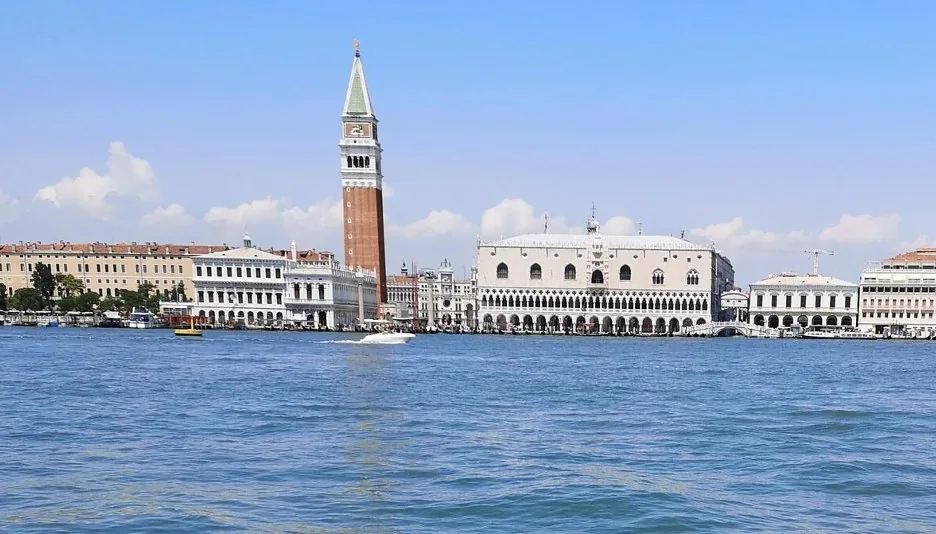
There is a particular kind of Italian itinerary that looks wonderful on a computer screen.
Three nights in Rome, two in Florence, a day in Tuscany, Venice, Lake Como and perhaps a few days on the Amalfi Coast. The hotels are beautiful. The restaurants have excellent reviews. Every destination appears to be within reasonable reach of the next.
Then you arrive in Italy.
Your hotel in Venice requires a water transfer. The Tuscan restaurant you wanted to visit is closed on the only day you are in the area. Getting from Lake Como to the Amalfi Coast takes most of a day. The museum tickets you thought you could buy on arrival are unavailable.
Individually, these are small problems. Together, they can change the character of an entire holiday.
This is where hiring a private travel planner for Italy can make a considerable difference.
Not everyone needs one. And paying someone to organise a trip does not automatically make it better.
The value lies in the quality of the decisions made before you leave home.
Is a Private Travel Planner for Italy Worth the Money?
A private travel planner is particularly valuable when you are organising a multi-destination journey, staying in luxury or boutique hotels, travelling with several generations of your family, or looking for experiences that require specialist local knowledge.
For a straightforward city break, professional planning may be unnecessary.
For a two-week journey involving Venice, Tuscany, Rome and the southern coast, the amount of research and coordination can become substantial.
The more expensive the trip, the more consequential the individual decisions become.
Choosing the wrong €150 hotel is irritating. Choosing the wrong €1,500-a-night hotel for four nights is a rather different problem.
A knowledgeable planner helps you assess those decisions before you commit to them.
What Does a Private Travel Planner in Italy Actually Do?
People sometimes imagine that travel planning consists of choosing hotels, making restaurant reservations and putting everything into an attractive itinerary.
That is the visible part of the work.
Much of the value is in the decisions you never see: properties considered and rejected, connections that turn out to be impractical, destinations removed from the itinerary, suppliers evaluated and alternative arrangements explored.
Depending on the agreed scope of service, professional Italy travel planning can involve:
- Designing a realistic itinerary around your interests, dates and budget.
- Selecting hotels and appropriate room categories.
- Coordinating private drivers, railway journeys and boat transfers.
- Identifying specialist guides and cultural experiences.
- Researching restaurants and regional food traditions.
- Arranging activities for children and different generations.
- Managing the timing and geographical sequence of the journey.
- Coordinating reservations and supplier communication.
- Providing support before departure and, where included, during the trip.
A good itinerary begins with questions.
Do you enjoy spending three hours in a museum, or would you rather see one painting with someone who can explain why it matters?
Would you prefer an extraordinary hotel in the countryside, or somewhere from which you can walk to dinner every evening?
Do you want to see several regions, or would you rather become familiar with one?
These answers influence almost every subsequent reservation.
Italy Is Easy to Research and Surprisingly Difficult to Plan Well
There is certainly no shortage of information about Italy.
You can find thousands of hotel reviews, restaurant recommendations, suggested itineraries, travel videos and lists of places to visit.
The difficulty is determining which information is relevant to your particular trip.
A hotel may be beautiful but poorly located for the way you want to spend your days. A restaurant may have an excellent reputation but require an inconvenient journey. A celebrated destination may be wonderful in October and exhausting in August.
Italy also changes considerably from one region to another.
Planning a holiday in Venice requires a different understanding of logistics from planning one in the Dolomites. A journey through rural Sicily cannot be organised in quite the same way as a journey between Rome and Florence.
Even the geography of a single city matters.
In Venice, staying in San Marco, Dorsoduro or on the Giudecca affects how you move around, where you have dinner and what the city feels like after dark.
A hotel recommendation without that context tells you very little.
The real skill in planning Italy is knowing what belongs together.
Five Things a Good Italy Travel Designer Can Do Better Than an Online Itinerary
1. Prevent you from spending your holiday in transit
Italy looks deceptively small on a map.
The distances between major cities are manageable, particularly along the high-speed railway network. The difficulty begins when you combine cities, rural estates, islands and coastal destinations. That is also why choosing an appropriate itinerary length matters.
A private driver may make perfect sense for a day visiting wineries in the Langhe. Between Rome and Florence, first-class rail will often be more practical. We look at transportation decisions in Italy separately.
Reaching a hotel on the Amalfi Coast involves a different set of considerations from arriving at a hotel in central Milan.
A well-designed journey takes account of luggage, check-in times, ferry schedules, station transfers, road conditions and the simple fact that travelling is tiring.
One of the most useful recommendations a travel planner can make is to remove a destination.
Four nights in Florence, with carefully chosen excursions into the surrounding countryside, may produce a better holiday than changing hotels every evening in an attempt to see all of Tuscany.

2. Choose hotels for the way you actually travel
Hotel selection is one of the areas where independent research can become misleading.
A highly rated property may be entirely wrong for you.
Consider two travellers visiting Florence.
One wants to wake up in a historic building, walk to the Uffizi, browse antique shops and have dinner in the Oltrarno.
The other wants a garden, a swimming pool, long breakfasts and somewhere to retreat after a morning in the city.
Both might have the same accommodation budget. Their ideal hotels could be completely different.
The same applies to room categories.
In Venice, the distinction between a canal-facing room and a room overlooking an internal courtyard may be more significant than the difference between two hotel brands.
A planner should understand what you are paying for and whether it will matter to you.

3. Match you with the right people
Italy has exceptionally knowledgeable guides, historians, craftspeople, winemakers and cultural specialists.
Finding the right person for a particular traveller requires more than choosing someone with good online reviews.
A family travelling with an eight-year-old needs a different approach to the Vatican Museums from an art collector who has visited Rome repeatedly.
Someone interested in Renaissance patronage may want a specialist in Florentine history. A traveller fascinated by Venetian architecture may benefit from a guide whose expertise extends beyond the familiar monuments.
A visit to an artisan's workshop can be interesting because you have an opportunity to understand how the work is done, how the craft has changed and what it takes to sustain it today.
Personal connections and appropriate expertise matter more than the number of activities listed in the itinerary.
4. Understand what is worth reserving in advance
Some Italian experiences require considerable advance planning. Others are better left open.
Museum admissions, sought-after restaurants, certain private visits and popular hotels may need to be reserved well before departure.
But filling every afternoon with a confirmed appointment can remove much of the pleasure of travelling in Italy.
You might discover a small exhibition, spend longer at lunch or decide to return to a neighbourhood you enjoyed the previous evening.
An itinerary should protect the experiences that genuinely require reservations while leaving enough room for those discoveries.
A free afternoon is not an omission.
Sometimes it is the most thoughtfully planned part of the day.
5. Provide a practical response when something changes
Travel does not always follow the itinerary.
A ferry may be cancelled because of weather. A railway strike may affect a transfer. A child may become tired. A traveller may decide that another museum is the last thing they want to see.
When on-trip assistance is included in the service, a travel planner can help coordinate alternatives with the relevant suppliers.
That support can be particularly useful when reservations are interdependent or when the traveller does not speak Italian.
It is worth clarifying the level of assistance before booking. Some planners provide itinerary design only. Others manage reservations and remain available during the journey.
These are different services and should be priced accordingly.
Private Travel Planner vs Travel Agent vs Tour Operator
The terminology can be confusing because the roles frequently overlap.
A travel advisor may design highly personalised journeys. A travel planner may work within a tour operator. A luxury travel agency may provide all three functions.
Rather than relying on job titles, look at the actual service being offered.
Read more about the difference between a travel designer and a travel agent.
| Service | Typical focus | Best suited to |
|---|---|---|
| Travel advisor or agent | Advice, bookings and supplier relationships | Travellers seeking professional reservation assistance and hotel expertise |
| Tour operator | Organised travel programmes or travel packages | Travellers looking for coordinated arrangements, including private or group programmes |
| Private travel planner or travel designer | Individual itinerary design and destination-specific coordination | Travellers with particular interests, preferences or complex itineraries |
| Concierge service | Specific reservations and practical assistance | Travellers who need help with selected arrangements rather than the entire journey |
These distinctions are descriptive rather than formal legal classifications.
Before booking, establish who is responsible for the individual arrangements, who receives your payments and what contractual protections apply.
The important question is not what the company calls itself.
It is whether its expertise and responsibilities match what you need.
How Much Does a Private Travel Planner for Italy Cost?
There is no standard industry fee for designing a private trip to Italy.
Some planners charge for an initial consultation. Others charge a fixed itinerary-design fee, a daily planning rate or a percentage of the overall journey.
Some receive commissions from hotels and other suppliers. Others combine supplier commissions with a separate professional fee. Tour operators may incorporate planning and coordination into an overall package price.
An itinerary review and a fully managed two-week private journey are very different assignments.
How travel planning fees are structured
| Pricing model | How it works |
|---|---|
| Consultation fee | Payment for a professional discussion, recommendations or itinerary review |
| Fixed planning fee | An agreed amount for designing the journey |
| Daily planning rate | A fee calculated according to the number of travel days |
| Commission-based model | Compensation received from participating suppliers |
| Percentage-based fee | A fee related to the total value of the journey |
| Inclusive trip quotation | Planning and coordination incorporated into the overall trip price |
Published prices from established Italy travel specialists illustrate how widely these fees can vary.
Euro Travel Coach advertises Italy planning services starting at $250 per travel day. Insiders Italy publishes a typical comprehensive planning fee of $5,000 for journeys of ten to fourteen days, with the actual cost of hotels, transport and experiences paid separately.
These figures are examples of different commercial models, not a market average or Backstage Italy's own pricing.
Sources:
Published pricing reviewed in November 2026. Fees and inclusions may change.
When comparing proposals, ask what is included. Does the fee cover research alone? Are reservations managed? How many revisions are available? Is assistance during the trip included?
A low initial fee does not necessarily mean a lower final cost. Equally, a high fee does not guarantee a better itinerary.
The scope of the work matters more than the pricing model.
For a detailed breakdown of hotels, transport, guides and private experiences, read our guide to how much a luxury trip to Italy costs in 2027.
Can Hiring an Italy Travel Planner Actually Save You Money?
Sometimes, although saving money is not necessarily the main reason to hire one.
A planner may identify a better hotel for your budget, suggest a less expensive travel period or recommend removing an unnecessary private transfer.
Depending on supplier relationships, a travel advisor may also be able to arrange additional hotel benefits. These vary by property, rate, booking programme and availability.
The more reliable financial advantage is avoiding poorly considered expenditure.
Imagine a couple with a €20,000 budget for Italy.
They intend to spend four nights at a coastal resort, arrange private drivers throughout the journey and book several premium experiences.
A planner might recommend spending fewer nights at the resort, taking the train between two major cities and using the remaining budget for a more suitable room, a specialist guide or an additional night in the countryside.
The total budget may remain unchanged.
What changes is the quality of the holiday that budget buys.
To see how this works in practice, compare three private Italy vacation budgets.
Professional planning should make the relationship between expenditure and experience more deliberate.
When Hiring a Private Travel Planner Makes the Most Sense
You are spending a significant amount on the trip
The financial consequences of unsuitable hotels, inefficient routes and restrictive reservations increase as your travel budget grows.
For a luxury journey costing €15,000, €25,000 or more, professional advice can be proportionate to the overall expenditure.
You are visiting several Italian regions
A journey combining Venice, Tuscany, Rome and the Amalfi Coast requires considerably more coordination than a week in one city.
The sequence of destinations can affect costs, available experiences and how much time you spend travelling.
You have already visited Italy
Repeat visitors often have more interesting planning requirements than first-time travellers.
Perhaps you have seen the Uffizi, the Vatican and the major Venetian landmarks. Now you want to understand the textile traditions of Piedmont, explore the architecture of southern Sicily or spend several days discovering the food culture of Emilia-Romagna.
The challenge is finding the right subject, people and places rather than assembling a conventional sightseeing route.
You are travelling as a family or private group
Different ages, interests and physical abilities can complicate even a relatively straightforward itinerary.
One person may want to spend the morning looking at architecture. Another may need a slower pace. Children may enjoy an activity that would never appear on an adult cultural itinerary.
A good plan allows people to enjoy the same holiday without expecting everyone to enjoy it in exactly the same way.
You have a particular cultural interest
Architecture, art collecting, opera, design, wine, fashion, religious history and regional craftsmanship can all become the starting point for a journey through Italy.
These interests require different itineraries and different expertise.
A traveller interested in twentieth-century Italian design should not receive the same programme as someone fascinated by Renaissance painting, with a few museum names exchanged.
The subject should influence the journey itself.
Your time is limited
Some people genuinely enjoy spending evenings researching restaurants, comparing hotels and examining railway routes.
Others do not.
If you have ten days available for a holiday but little time to organise it, paying someone to do the research can be a sensible decision.
When You Probably Do Not Need a Private Travel Planner
It is entirely possible to organise an excellent Italian holiday independently.
You may not need a planner if you are spending four nights in Rome, have already chosen a hotel and intend to visit a handful of museums and restaurants.
You may also prefer to organise everything yourself if research is part of the pleasure of travelling.
And if the planning fee would leave too little money for the actual experiences you value, it may be more sensible to book independently and arrange occasional specialist services.
Professional travel planning should solve a problem you actually have.
It should not create another expense simply because you are travelling to Italy.
Can AI Plan a Luxury Trip to Italy Instead?
AI can be useful for getting started.
It can suggest destinations, explain geographical relationships, help compare different regions and produce an initial itinerary.
For someone beginning to research Italy, that can save a considerable amount of time.
The limitations become more apparent when an itinerary needs to be booked and delivered.
A generated recommendation may not reflect a restaurant's current opening days. Suggested transfer times may not account for local conditions. A hotel description may combine information from different room categories or outdated sources.
An attractive itinerary is not evidence that its individual arrangements are available.
AI also cannot replace the judgement involved in choosing between two genuinely good options for a specific person.
A hotel with a spectacular terrace might be ideal for one traveller and impractical for another. A private visit might be fascinating to someone with a particular interest and unnecessary for everyone else.
Technology can help with research. The individual arrangements still require verification, judgement and, where relevant, direct communication with suppliers.
For a complicated or expensive trip, those distinctions matter.
How to Choose the Right Private Travel Planner in Italy
Before committing to a travel designer, pay attention to the first conversation.
Are you being asked about what you enjoy, or simply which cities you want to visit?
Does the planner question unrealistic distances and explain the consequences of certain choices?
Can they discuss specific neighbourhoods, regional differences and the practical reasons behind their hotel recommendations?
Here are seven questions worth asking:
- What is your experience of the Italian regions we want to visit?
- Will our itinerary be designed individually or adapted from an existing programme?
- How do you select hotels, guides and other suppliers?
- How are your planning fees and supplier commissions structured?
- Which reservations will you manage on our behalf?
- What happens if we need to change the itinerary?
- Who can we contact during the trip if assistance is included?
Pay particular attention to whether the planner can explain their recommendations.
Anyone can suggest spending three nights on Lake Como.
A destination specialist should be able to explain which part of the lake suits you, how you will move around, whether you need a car, and whether your preferred hotel makes sense for the rest of the journey.
How We Approach Private Travel Planning at Backstage Italy
Our work in Italy began in 2016 with private cultural experiences.
That background continues to influence the way we think about travel.
We are interested in the relationship between a place and the people who have shaped it: artists, architects, craftspeople, families, historians and the communities that continue to give Italian cities their character.
We approach an itinerary from that perspective.
Rather than beginning with a list of famous hotels and destinations, we begin with the traveller.
Some people want to understand a city through its architecture. Others are interested in Italian food culture, contemporary design or the history of a particular region.
Some want to travel quietly, without changing hotels every second day.
The accommodation, guides, transportation and reservations should support that intention.
The result should be a journey that makes sense geographically, culturally and personally.
We also believe that a professional travel designer should be prepared to recommend doing less.
There are afternoons in Italy that are worth leaving entirely unplanned.
There are afternoons in Italy that are worth leaving entirely unplanned.
Considering a private journey through Italy? Tell us what you have in mind.
See also our notes on coordinating an extended family holiday.
See also our notes on independent concierge assistance during your journey.
See also the mistakes experienced travellers make when planning Italy.
Frequently Asked Questions
Is it worth using a travel planner for Italy?
Yes, particularly for luxury, multi-region or highly personalised journeys. A knowledgeable planner can improve hotel selection, simplify logistics, identify suitable specialists and help avoid costly planning mistakes. For a short, straightforward city break, independent planning may be sufficient.
What does an Italy travel planner do?
An Italy travel planner designs an itinerary around your interests, budget and dates. Depending on the agreed service, they may also coordinate accommodation, transportation, private guides, restaurants, experiences and assistance during the trip.
How much does it cost to hire a private travel planner in Italy?
Fees depend on the length and complexity of the journey and the level of service. Some planners offer individual consultations, while comprehensive bespoke planning can cost several thousand euros or dollars. Others incorporate their compensation into the overall trip price.
Is a travel planner more expensive than booking Italy yourself?
Professional planning introduces a fee or other form of compensation, but it can also help avoid unnecessary expenses and identify better options. The final cost depends on the pricing model, itinerary and services selected. A planner should not promise that every trip will be cheaper.
Can a private travel planner arrange exclusive experiences in Italy?
A planner with established local relationships may be able to arrange specialist cultural visits, private workshops, wine experiences and other individually organised activities. Access depends on the venue, supplier, availability and applicable rules.
What is the difference between a travel planner and a luxury travel concierge?
A travel planner generally focuses on designing and coordinating the overall journey. A concierge typically assists with particular arrangements, such as restaurants, transfers or activities. Some companies combine both services.
How far in advance should I hire an Italy travel planner?
For a complex luxury itinerary during popular travel periods, beginning six to twelve months ahead can be beneficial, particularly if specific hotels or experiences are important to you. See also how far in advance to begin planning Italy.
Simpler journeys may require less time. The ideal planning period depends on seasonality, availability and the complexity of the arrangements. See also professional assistance with last-minute Italy travel.
Do I need a travel planner if I have already visited Italy?
Repeat visitors can benefit considerably from specialist planning, especially when they want to explore less familiar regions or develop a journey around a particular cultural interest.
A planner can help build an itinerary that moves beyond the conventional first-time visitor programme.
So, Is It Worth It?
If you enjoy researching your holidays and have a relatively straightforward itinerary in mind, you may be perfectly happy organising Italy yourself.
But if you are investing a significant amount of money in a journey, have particular interests or want to spend your time in Italy rather than negotiating its logistics, a good private travel planner can be worth the additional expense.
The greatest value may be difficult to identify on an invoice.
It might be the hotel you would never have considered, the unnecessary transfer you never booked, or the conversation with a specialist who changed your understanding of a place.
You will notice it in the way the days fit together.
And, perhaps most importantly, in how much time you actually have to enjoy them.
Let's plan the Italy you want to experience.
Tell us where you would like to go, what interests you and how you enjoy travelling. We will help you explore the possibilities for a private journey through Italy.
Discuss your journeyMore from the journal
Travel Planning
How Much Does a Luxury Trip to Italy Cost in 2027?
A practical guide to hotel prices, private experiences, and what is actually worth paying for.
The lakes
Lake Como or Lake Garda? Choosing your lake
Two very different lakes, and the kind of traveller each one suits.
Milan
How to see the Last Supper when tickets are sold out
What the official release schedule means for your dates, and the ways in that still work.