
Travel Planning
How Much Does a Luxury Trip to Italy Cost in 2027?
A practical guide to hotel prices, private experiences, and what is actually worth paying for.
By Backstage Italy · · 14 min read
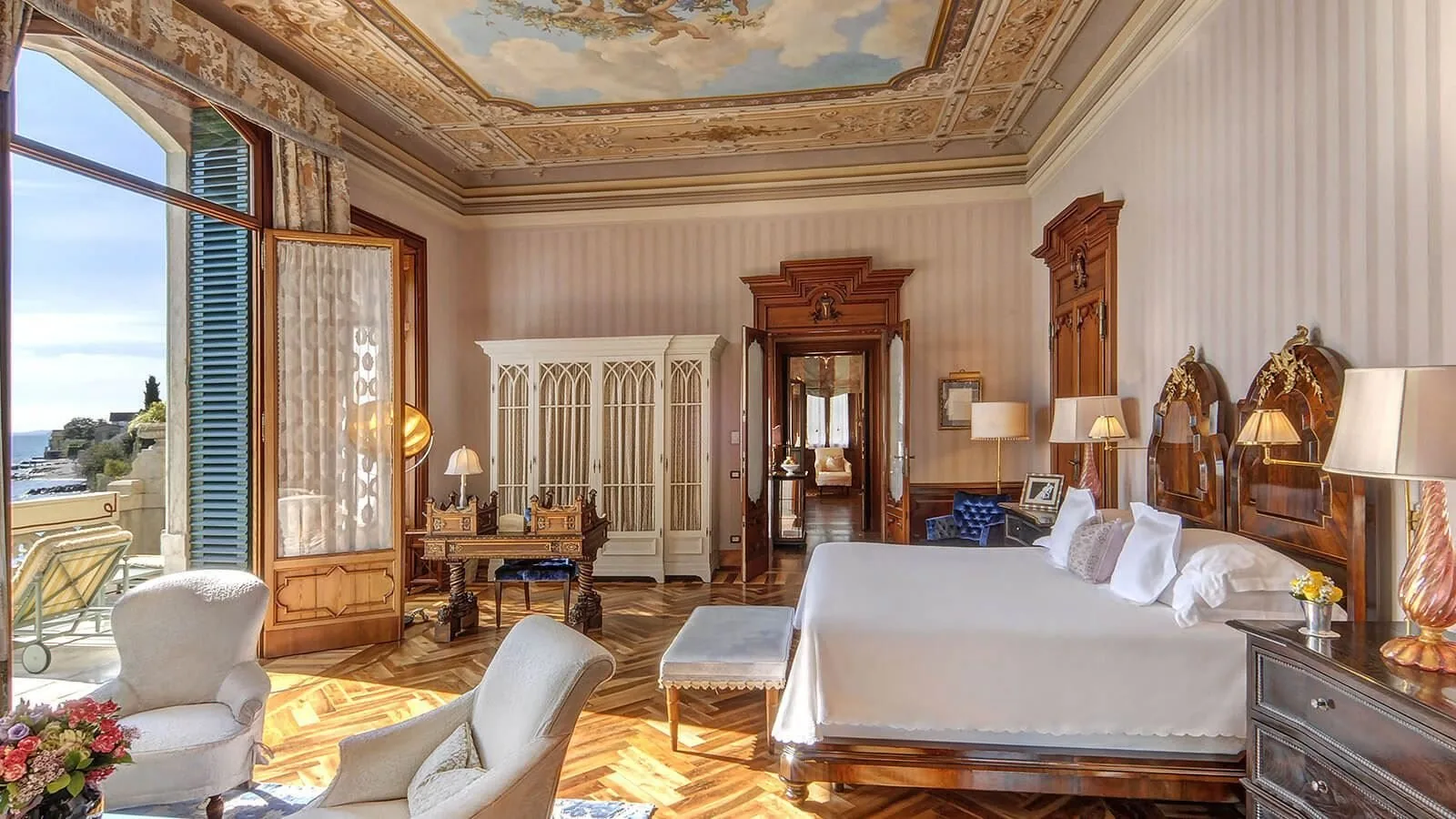
Two couples can visit Rome, Florence, and Venice for ten days, stay in beautiful hotels, eat extremely well, and return home with bills that differ by €15,000.
The difference is rarely the number of museums they visited. It is the room they chose in Venice, the driver they kept for three days when a train would have been faster, or the private boat they booked in July rather than October.
Italy has a remarkable ability to accommodate different ideas of luxury. A suite overlooking the Grand Canal is one version. A small hotel in Piedmont, with an exceptional wine cellar and an owner who remembers what you drank the previous evening, is another.
The prices are not necessarily comparable.
For a luxury trip to Italy in 2027, a realistic planning budget is €6,500–€16,000 per person for ten days, assuming two people sharing accommodation, with five-star or exceptional boutique hotels, private guides, selected experiences, and comfortable transfers.
At the highest end, expect €16,000–€30,000 or more per person.
These figures exclude international flights and are planning estimates rather than confirmed 2027 quotations.
How Much Should You Budget for a Luxury Italy Trip in 2027?
For a ten-day journey, the following ranges are a useful starting point.
| Travel style | Per person | For two people |
|---|---|---|
| Considered luxury | €6,500–€9,500 | €13,000–€19,000 |
| Fully bespoke luxury | €9,500–€16,000 | €19,000–€32,000 |
| Exceptional, high-end travel | €16,000–€30,000+ | €32,000–€60,000+ |
Considered luxury means excellent accommodation, carefully chosen private tours, comfortable transportation, and the occasional expensive experience. You might stay in a smaller five-star hotel rather than a famous palace, take first-class trains between cities, and use a driver when the route calls for one.
Fully bespoke luxury allows for more sought-after properties, premium room categories, several days with specialist guides, private drivers, and experiences arranged around particular interests.
Exceptional travel is a different category of spending: landmark suites, exclusive-use villas, staffed yacht charters, and substantial private arrangements.
These are not official industry classifications. They are the budgets we would use when beginning to design a private journey.
What Actually Makes a Luxury Trip to Italy Expensive?
Hotels: the largest expense, and the least predictable
Five-star accommodation is usually the biggest part of the budget.
For planning a 2027 trip, we would use these broad nightly estimates for a double room.
| Accommodation | Estimated nightly rate |
|---|---|
| Excellent boutique or smaller five-star hotel | €400–€750 |
| Established luxury hotel in a major destination | €750–€1,400 |
| Sought-after coastal or lakeside property in peak season | €1,000–€2,200+ |
| Signature suite or exceptional private accommodation | €2,000–€4,000+ |
Consider Venice. A beautiful hotel in a restored palazzo can be considerably less expensive than a suite at Aman Venice or The Gritti Palace. All may offer excellent hospitality, but they are selling different experiences.
The same is true of the Amalfi Coast. There is a substantial difference between a well-designed hotel in Praiano and a sea-view suite at Le Sirenuse or Il San Pietro di Positano in August.
Then there is the question of the room itself.
A hotel's least expensive room may face an internal courtyard rather than the canal, garden, or sea that attracted you in the first place. Sometimes paying more for the right room makes more sense than moving to a more famous property.
Choose the hotel for its location, atmosphere, and the room you will actually occupy. The number of stars comes afterwards.
Private guides: one of the better ways to spend your money
A private guide in Italy is a relatively modest expense compared with a luxury hotel.
For 2027 budgeting, expect approximately €250–€500 for a three- to four-hour private cultural visit, with higher prices for specialist programmes, longer days, and certain arrangements. Entrance tickets may be additional.
The interesting part is what those hours buy you.
In Florence, someone who understands the city's artistic and political history can make a morning in Santa Croce more rewarding than an entire day spent mechanically moving between museums.
In Venice, the right historian can explain how trade, wealth, religion, and geography shaped a city that otherwise risks becoming an exceptionally beautiful backdrop.
You do not need a guide every morning. You need the right person for the subjects that interest you.
Private drivers: useful in the countryside, less so between major cities
One common mistake in luxury travel planning is assuming that a private car is always the most comfortable option.
Between Rome and Florence, or Florence and Venice, first-class high-speed rail is often more practical than a chauffeured vehicle.
Drivers become much more valuable in places such as Tuscany, the Langhe wine region, rural Sicily, and parts of Puglia, where the places worth visiting are often scattered across the countryside.
For 2027, allow approximately:
- €100–€300 for many airport or local private transfers.
- €450–€900 or more for a day with a private driver and vehicle.
- €500–€1,100 or more for certain long-distance private transfers.
Exact quotes depend on the route, vehicle, waiting time, and season.
On the Amalfi Coast, a driver can make an enormous difference. On the Rome–Florence route, the same expenditure may simply buy you several additional hours in traffic. You can compare private drivers and premium rail costs in more detail.
Private experiences: where the budget becomes personal
A private wine tasting in Tuscany, a visit to an artisan's workshop in Florence, and a day aboard a boat off Capri have little in common financially.
For 2027, useful starting allowances are:
| Experience | Planning budget |
|---|---|
| Private artisan visit or workshop | €200–€600 |
| Private wine-focused experience | €300–€900+ |
| Full-day private boat excursion | €1,300–€3,000+ |
| Complex exclusive arrangements | Quoted individually |
Not every expensive experience is worth arranging privately.
Some of Italy's most interesting places are working businesses, family homes, vineyards, or studios. A visit can be wonderful precisely because it has not been turned into a theatrical performance.
And private access is not always available for sale. A museum closed to ordinary visitors cannot necessarily be opened simply by increasing the budget.
Restaurants: luxury does not require fine dining every evening
Italy may be one of the few countries where a €25 lunch can be the culinary highlight of a €20,000 journey.
A remarkable plate of pasta in a family-run trattoria and a multi-course dinner at a Michelin-starred restaurant serve different purposes. Both can belong in the same itinerary.
For a couple, we would generally allow €180–€350 per day for meals and wine, with a separate allowance for particularly ambitious tasting menus, exceptional bottles, and private dining.
A hotel concierge may recommend an expensive restaurant. That does not automatically make it the most interesting restaurant in town.
We would rather arrange two genuinely excellent dinners than ten that look impressive on paper.
A Realistic Example: 10 Days in Italy for Two People
Imagine travelling in May or September 2027. (Booking late changes the picture too: see how last-minute booking can affect your budget.)
You want to visit Rome, Florence, and Venice, stay in excellent hotels, spend time with private guides, and enjoy a few experiences that would be difficult to arrange independently.
You are not looking for a personal driver every day or the most expensive suite in every hotel.
Here is how a ten-day, nine-night budget might work.
| Expense | Estimated cost for two |
|---|---|
| 9 nights in luxury hotels, averaging €850 | €7,650 |
| Private cultural visits and admission tickets | €1,900 |
| First-class rail and private transfers | €1,450 |
| Two special private experiences | €1,650 |
| Restaurants, cafés, and wine | €2,750 |
| Local taxes, gratuities, and incidentals | €600 |
| Total | €16,000 |
That is €8,000 per person, excluding international flights, insurance, shopping, and any separately charged travel-design fee.
It is an illustrative planning budget, not a quoted itinerary. We have not assumed unlimited dining, a personal chauffeur throughout, or exclusive access to major museums.
For this amount, however, a couple can have a trip with beautiful accommodation, considerable independence, good local expertise, and enough unscheduled time to enjoy the places they came to see.
Now replace three nights in Florence with three nights at a famous hotel in Positano during July, add a private yacht day, and upgrade several rooms to suites.
The same ten-day holiday might move towards €25,000–€30,000 for two, or more, without becoming noticeably longer.
That is how quickly the arithmetic changes.
Planning a journey with a similar budget? Discuss your itinerary with Backstage Italy.
Where in Italy Does a Luxury Travel Budget Go Furthest?
Amalfi Coast and Lake Como
These are among the country's most sought-after luxury destinations.
The combination of limited prime accommodation, international demand, and seasonal concentration makes them expensive.
At Lake Como, properties such as Passalacqua and Villa d'Este occupy a particularly prestigious segment of the market.
On the Amalfi Coast, hotels with direct sea access, exceptional views, and the best locations command a substantial premium.
If these places are central to your idea of Italy, they may deserve a significant part of your budget.
Rome, Florence, and Venice
Italy's major cultural cities offer a broader selection of luxury accommodation.
You can stay in an established grand hotel, a small design-led property, or a restored historic residence.
In Florence, for example, a carefully chosen boutique hotel might suit someone interested in architecture, independent shops, and local restaurants better than a grand property outside the centre.
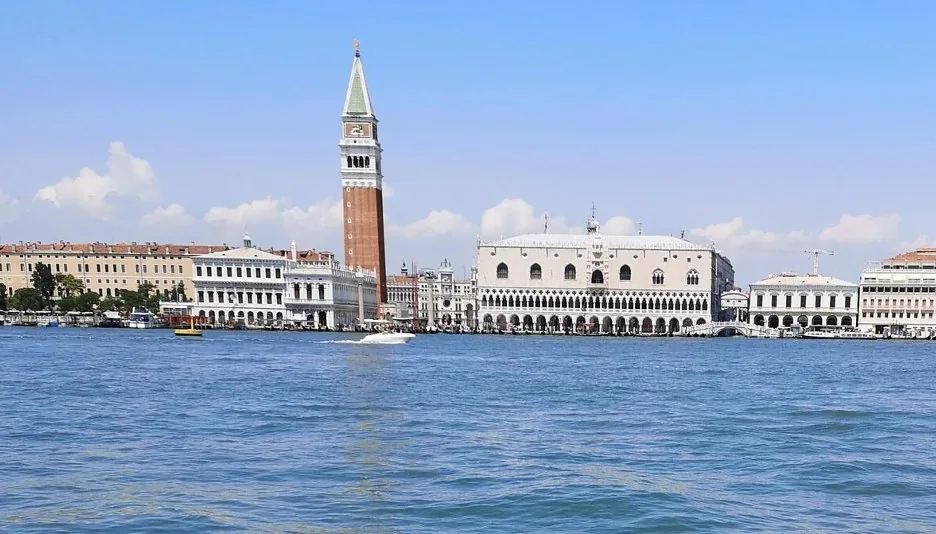
Venice rewards a little more attention to geography. Staying beside Piazza San Marco, on a quiet canal in Dorsoduro, or on the Giudecca creates three very different experiences.
Spend on the location that suits the way you want to use the city.
Piedmont, Umbria, and inland Sicily
A few nights in the Langhe can mean vineyard visits, remarkable restaurants, and small properties where hospitality feels personal.
Umbria has country estates and historic residences that allow you to enjoy beautiful accommodation without the prices of the most famous coastal resorts.
Inland Sicily offers aristocratic architecture, rural estates, archaeological sites, and some of Italy's most distinctive regional cooking.
These destinations are not cheaper versions of somewhere else.
They offer a different kind of holiday, and their prices can make it possible to stay longer or allocate more of the budget to experiences.

When Is the Best Time for a Luxury Trip to Italy in 2027?
April and May are excellent months for cultural travel, gardens, and the countryside. Hotel prices in Rome, Florence, and Venice can still be high, particularly around Easter, public holidays, and major events.
June combines long days with good conditions for much of the country. Demand for coastal properties is already strong.
July and August are generally the most expensive periods for many Mediterranean resorts, especially Capri, Sardinia, and the Amalfi Coast. The heat can also make intensive sightseeing less pleasant.
September is one of the most attractive months for combining cities, countryside, wine, and the sea. It is popular enough that the best hotels should be reserved well ahead. See the best time to reserve accommodation and experiences.
October can be excellent for Rome, Florence, Piedmont, and Tuscany. Some seasonal coastal properties begin to reduce operations or close.
November to March can be rewarding for city travel, with quieter periods and potentially better hotel rates outside holidays and major events.
There is no universally cheapest or best luxury season in Italy. An October trip to Florence and an October trip to Capri are entirely different propositions.
Where We Would Spend More — and Where We Wouldn't
If we were planning a ten-day Italy journey with a limited luxury budget, these would be our priorities.
Spend more on the right room. Particularly in Venice, Lake Como, or on the coast, where location and views can fundamentally affect your stay.
Spend more on specialist local knowledge. A strong guide can make a relatively inexpensive morning more memorable than an elaborate private event.
Spend more when transportation solves a real problem. A driver is worth paying for in rural Tuscany. A private car shadowing you between railway-connected cities may be unnecessary.
Spend less on changing hotels. Three nights in one place usually offer more than three separate one-night stays, however glamorous the properties look. See also choosing the right length for your Italy trip.
Don't automatically spend more on famous restaurants. Reserve them when the cuisine genuinely interests you, rather than because they appear on every luxury itinerary.
And allow for days without a programme.
It makes little sense to pay for a beautiful hotel and then leave at eight every morning, returning exhausted just in time for dinner.
What Should a Luxury Italy Travel Quote Include?
Before comparing two travel proposals, check that they cover the same things.
A lower quote may exclude private airport transfers, museum tickets, meals, local taxes, boat-related expenses, or on-trip assistance.
Ask whether your proposal includes accommodation in specified room categories, rail tickets, private transport, licensed guides, scheduled experiences, and reservation management.
Check whether meals and drinks are included or simply recommended.
Travel-design fees can be charged separately or incorporated into an overall price. The important point is that the arrangement should be clear before you commit.
If you are deciding whether professional help is worthwhile, read our guide to hiring a private travel planner for Italy.
For a comparison of professional roles, read about professional travel design services.
Also pay attention to cancellation terms. They can be particularly restrictive for villas, high-season hotels, yachts, and specialist private services.
For complete example journeys, see what different luxury vacation budgets can buy in Italy.
Frequently Asked Questions
How much does a 7-day luxury trip to Italy cost in 2027?
For a week in Italy, budget approximately €4,500–€11,000 per person, based on two people sharing, depending on accommodation, location, and the amount of private guiding and transport. Premium suites and exclusive arrangements can take the total much higher. International flights are additional.
How much does a 10-day private Italy tour cost?
A well-planned ten-day private journey will typically require approximately €6,500–€16,000 per person, assuming two people sharing. This can cover luxury accommodation, private cultural visits, comfortable transport, and selected experiences. The exact inclusions vary by proposal.
How much should a couple budget for two weeks in Italy?
For a 14-day luxury itinerary in 2027, a reasonable initial budget is €18,000–€48,000 for two people, excluding international flights. The upper end, and beyond, becomes more relevant when combining famous coastal resorts, suites, private boats, or staffed villas.
Is €10,000 enough for a luxury trip to Italy?
For one person sharing a room with a travel companion, €10,000 can fund an excellent nine- or ten-day luxury journey.
For two people combined, €10,000 can still fund a very comfortable, carefully designed Italian holiday, especially with smaller boutique hotels and selective private services. But it may not cover five-star accommodation throughout, daily guiding, and extensive private transportation.
Is a luxury travel advisor worth the cost?
If you want one hotel in Rome and a few dinner reservations, you may be perfectly happy arranging everything yourself.
If you are combining several regions, particular room categories, specialist guides, family requirements, and private arrangements, professional planning can be valuable.
The benefit should be visible in the itinerary: sensible geography, well-matched hotels, reliable logistics, and experiences chosen for your interests.
The Price of a Better Journey
Italy makes it easy to spend a great deal of money.
The difficult part is deciding which expenses will actually improve your time there.
A famous hotel might be precisely what you want for three nights in Venice. Or you might prefer a smaller palazzo, an exceptional private guide, and the freedom to spend the afternoon wandering without reservations.
Both choices can be luxurious. They simply place value on different things.
Pricing note: The figures in this article are indicative planning estimates prepared in November 2026, not confirmed supplier quotations. Actual 2027 rates will depend on dates, availability, suppliers, and the final itinerary.
Italy, arranged around you.
Backstage Italy designs private journeys around individual interests, considered accommodation, and the places and people that make each part of Italy distinct.
Tell us when you would like to travel, what interests you, and the budget you have in mind. We can help you decide where that money will make the greatest difference.
Start planning your journeyMore from the journal
The lakes
Lake Como or Lake Garda? Choosing your lake
Two very different lakes, and the kind of traveller each one suits.
Milan
How to see the Last Supper when tickets are sold out
What the official release schedule means for your dates, and the ways in that still work.
Piedmont
Truffle season in the Langhe, hour by hour
When to go, how a truffle hunt works, and where to have lunch afterwards.