
Destinations
Italy for Returning Visitors: Where to Go After the Classics
Where to spend your second Italian holiday when you have already seen the Colosseum, stood before Botticelli's paintings and crossed the Grand Canal.
By Backstage Italy · · 33 min read
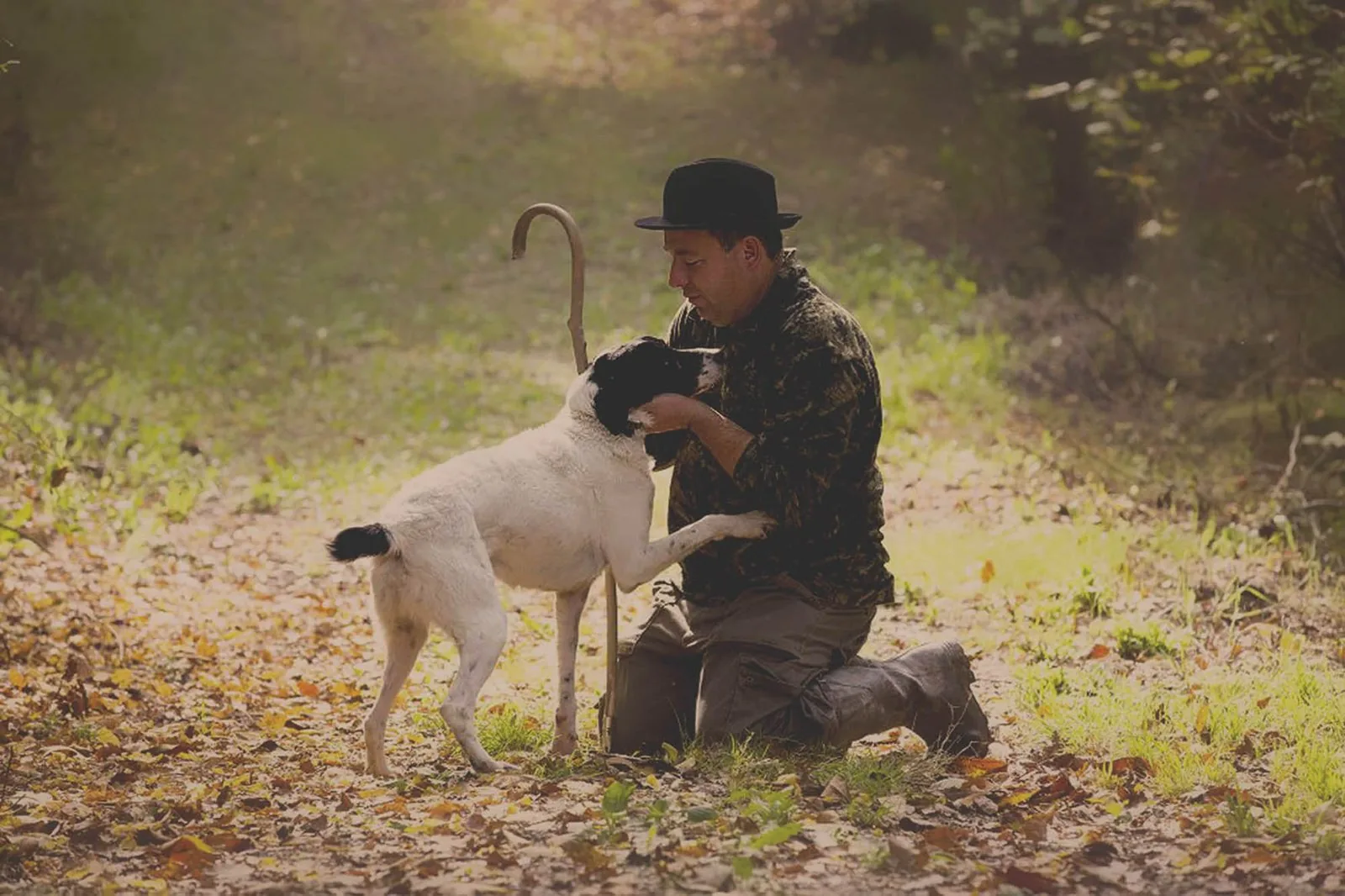
The first time you visit Italy, you are travelling with a considerable amount of inherited knowledge.
You have seen photographs of Rome since childhood. You recognise the dome of Florence Cathedral before you understand how it was built. Venice already exists in your imagination long before you arrive.
There are places you feel you ought to visit and paintings you would be embarrassed to admit you had missed.
The second trip is different.
You might remember the lunch you had in a small Tuscan town more vividly than some of the museums you visited. You might have become curious about the textiles in Venetian paintings, the furniture in your hotel or the wine someone recommended over dinner.
Perhaps you discovered that you preferred Italy's smaller cities. Or that the most enjoyable days were the ones when you had nowhere particular to be.
Those observations are considerably more useful when planning your return than another list of Italy's essential destinations.
Your second trip to Italy is an opportunity to follow your own interests.
And there is an enormous amount of the country waiting beyond the familiar route.
Where Should You Go on Your Second Trip to Italy?
If you have already visited Rome, Florence and Venice, consider spending your next holiday exploring one or two Italian regions in greater depth.
Piedmont, Emilia-Romagna, Friuli-Venezia Giulia, Umbria, Marche, Liguria, Puglia and Sicily each offer a distinctive introduction to Italian culture.
The most suitable destination depends on what you enjoyed during your first visit.
| What you enjoyed on your first trip | Where to go next |
|---|---|
| Renaissance art in Florence | Mantua, Urbino, Arezzo |
| Venetian architecture and history | Ravenna, Trieste, Aquileia |
| Tuscan wine and countryside | Piedmont, Umbria, Marche |
| Roman food and neighbourhoods | Bologna, Parma, Palermo |
| Italian fashion and design | Milan, Turin, Veneto |
| Lake Como and historic villas | Lake Maggiore, Lake Orta |
| Coastal landscapes | Liguria, Cilento, Puglia |
| Ancient Roman and Mediterranean history | Sicily, Aquileia, Campania |
| Churches and religious art | Umbria, Ravenna, Marche |
| Independent shops and craftsmanship | Genoa, Turin, Lecce, smaller Tuscan towns |
For most returning visitors, we would recommend seven to fourteen days, with fewer accommodation bases than on a conventional first-time itinerary.
There is also no obligation to avoid the cities you already know.
A return to Venice with a particular interest in architecture can feel like an entirely different journey from your first introduction to the city.
1. Piedmont: An Italy of Historic Cafés, Collectors and Wine
If your first Italian holiday was centred on Florence and Tuscany, Piedmont offers a particularly interesting next chapter.
Its relationship with art, architecture and gastronomy is quite different.
The region's history was shaped by the House of Savoy, its proximity to France, aristocratic patronage, industrial development and a remarkably sophisticated agricultural culture.
You notice these influences in Turin's architecture, in the appearance of its historic cafés and in the dishes served at the city's restaurants.
Turin deserves more than a weekend
Turin is a city we would particularly recommend to travellers interested in historic interiors, design and urban architecture.
Begin around Piazza San Carlo, Piazza Castello and the city's long porticoes.
Visit the Royal Museums to understand something of the scale and ambition of the Savoy court.
The Museo Egizio introduces an entirely different aspect of Turin's intellectual and collecting history.
For contemporary architecture and industrial heritage, consider the former Fiat factory at Lingotto.
The Pinacoteca Agnelli, located within the complex, brings together art and an important chapter of Italian industrial history.
Turin is also a city in which the café deserves time.
At establishments such as Caffè Al Bicerin and Caffè Torino, the historic interiors are part of the experience.
Order something, sit down and look around.
There is no need to organise a museum visit immediately afterwards.
Beyond Barolo and Barbaresco
The Langhe has become internationally associated with its wines and vineyard landscapes.
But returning visitors might also consider Roero, on the other side of the Tanaro River.
The landscape, soils and agricultural traditions offer another perspective on Piedmont.
Towns such as Canale, Guarene and Monteu Roero provide opportunities to explore local food, historic architecture and the countryside.
Italy's wine regions are most interesting when the journey extends beyond tasting rooms.
There are markets, agricultural businesses, small restaurants and towns whose histories explain why particular products are made there.
Spend enough time in the region to understand something of those relationships.
What to eat
Piedmontese cooking has its own distinctive vocabulary.
Vitello tonnato, agnolotti del plin, tajarin, anchovies served with butter and traditional hazelnut preparations can give you an introduction to the region without ordering the same dishes every evening.
Autumn brings particular interest in mushrooms and white truffles, although availability and prices vary with the season.
How long to spend in Piedmont
We would suggest six to eight nights.
Three nights in Turin and three to five nights in the countryside provide a useful balance.
A private driver is particularly helpful for selected wine-focused days.
Suggested travel period: spring, early summer or autumn, with advance planning around popular gastronomic events.
Further regional reading: Italy Segreta: a local's guide to Roero, Piedmont, Rural Escapes: Piedmont
2. Emilia-Romagna: The Italy You Can Understand Through Its Food
Many travellers leave their first Italian holiday convinced that they particularly enjoyed the food.
Their second journey is a good opportunity to investigate why.
Emilia-Romagna offers considerably more than a collection of celebrated dishes.
The relationship between agricultural production, regional identity, craftsmanship and commerce remains visible throughout the region.
A journey through Bologna, Modena and Parma can provide an unusually coherent introduction to Italian gastronomic culture.
Bologna
Bologna is worth experiencing as a city rather than simply a destination for lunch.
Its porticoes, medieval architecture and university history provide a substantial cultural context for its food traditions.
Begin with the historic centre, the Basilica of San Petronio and the streets around the Quadrilatero.
The Archiginnasio offers another perspective on Bologna's intellectual history.
For a different kind of cultural visit, explore the Museo Morandi and the work of Giorgio Morandi, whose paintings developed from an extraordinarily concentrated attention to ordinary objects.
The city's markets and food shops can then become part of the wider experience.
Modena
Modena is particularly interesting because two apparently unrelated subjects coexist within a relatively compact geographical area.
Traditional balsamic vinegar and automotive engineering.
A visit to a producer can introduce the importance of maturation, agricultural knowledge and inherited techniques.
The Ferrari museums offer an opportunity to explore a different expression of Italian craftsmanship and industrial ambition.
The cathedral and its architectural setting provide a further reason to spend time in the city itself.
Parma
Parma deserves attention even from travellers who have little particular interest in food.
Correggio's painted interiors, including the cathedral dome and the Camera di San Paolo, provide an extraordinary introduction to illusionistic painting.
The Teatro Farnese introduces another aspect of the city's courtly culture.
Parma's gastronomic traditions then add another layer to the journey rather than determine its entire character.
How long to spend in Emilia-Romagna
Six to eight nights would allow you to divide your time between Bologna and a second base around Parma or Modena.
Alternatively, spend several nights at a country property and arrange selected private excursions.
Two carefully chosen producer visits may teach you more about the region than six similar appointments.
Suggested travel period: spring or autumn, although the cities can also be rewarding in winter.
3. Mantua and Ravenna: Two Reasons to Return for Art
For travellers who loved the Uffizi and the churches of Venice, the second Italian journey can become more specifically concerned with art.
Mantua and Ravenna provide two particularly interesting directions.
They belong to very different periods of Italian cultural history.
That is part of the attraction of combining them.
Mantua and the Renaissance court
Mantua was transformed by the patronage of the Gonzaga family.
Its palaces allow you to consider Renaissance art in relation to political authority, private life, diplomacy and the ambitions of a ruling family.
At Palazzo Ducale, Andrea Mantegna's Camera degli Sposi provides an important encounter with the representation of courtly life and the development of pictorial perspective.
At Palazzo Te, Giulio Romano created a very different relationship between architecture, painting and illusion.
The Sala dei Giganti is particularly memorable because the painted environment surrounds the visitor.
These are not works best understood through a brief photographic stop.
Give each palace its own substantial visit.
If time allows, continue to Sabbioneta, where Renaissance urban planning and the architecture of the Gonzaga court provide a further chapter in the same story.
Official information: Mantua Tourism: Mantua and Sabbioneta, Palazzo Te: visit
Ravenna and the eastern Mediterranean
If Florence introduced you to the Renaissance, Ravenna can help you understand some of the artistic worlds that preceded it.
The mosaics of San Vitale, Sant'Apollinare Nuovo and the Mausoleum of Galla Placidia belong to a cultural history in which Italy was closely connected with the eastern Mediterranean.
At San Vitale, the images of Justinian and Theodora offer a particularly interesting opportunity to examine the relationship between imperial representation, religious authority and artistic language.
The mosaics change according to the light and the position from which you look at them.
Their material qualities cannot be fully appreciated through reproductions.
Beyond the best-known monuments, consider the archaeological collections and mosaic floors that introduce other aspects of Ravenna's history.
Official visitor information: Ravenna Tourism: culture and history
How long to spend in Mantua and Ravenna
Allow two or three nights in each city, with a further stay in Bologna or Ferrara if you have more time.
The journey should be designed around actual cultural opening arrangements and transport connections.
Suggested travel period: spring, autumn or a winter cultural holiday.
For further artistic destinations, read How to Avoid Crowds in Italy Without Missing Its Masterpieces.
4. Friuli-Venezia Giulia: Italy at the Meeting Point of Several Worlds
Few Italian regions challenge conventional ideas about the country as effectively as Friuli-Venezia Giulia.
Its history involves Roman settlements, Lombard rule, Venetian influence, the Habsburg Empire and relationships with the neighbouring cultures of Central Europe and the Balkans.
This is particularly apparent in Trieste.
Trieste
Trieste does not resemble the Italian city many first-time visitors imagine.
Its historic waterfront, coffee culture and nineteenth-century architecture reflect its long relationship with the Habsburg world.
The city was also associated with writers such as James Joyce and Italo Svevo.
A literary journey through Trieste might begin with its cafés, booksellers and historic neighbourhoods rather than a conventional sightseeing itinerary.
Caffè San Marco, founded in the early twentieth century, is a particularly interesting address for travellers drawn to the city's intellectual history.
The Museo Revoltella introduces the relationship between collecting, domestic interiors and the city's commercial elite.
Beyond the centre, Castello di Miramare provides a different encounter with nineteenth-century architecture, imperial ambitions and the Adriatic landscape.
Aquileia
Aquileia deserves particular attention from travellers interested in ancient Rome and early Christianity.
The archaeological area and patriarchal basilica form part of a UNESCO World Heritage Site.
The basilica's mosaic floors provide an extraordinary introduction to early Christian artistic culture.
If your first Italian journey concentrated on Rome's ancient monuments, Aquileia introduces another geographical and historical perspective on the Roman world.
Official information: Turismo FVG: Aquileia
Cividale del Friuli
Cividale offers a further historical transition.
Its Lombard heritage and the Tempietto Longobardo introduce aspects of Italian medieval history that rarely feature in conventional first-time itineraries.
The town is also well placed for exploring the surrounding valleys and Friulian countryside.
Official information: Turismo FVG: Cividale del Friuli
The Collio countryside
For travellers interested in wine, the Collio provides a reason to spend additional time in the region.
Its position close to the Slovenian border is particularly relevant to understanding local geography, agriculture and cultural identity.
Rather than organise the stay entirely around winery appointments, allow time for the region's towns, restaurants and landscapes.
How long to spend in Friuli-Venezia Giulia
Seven to nine nights.
We would consider three or four nights in Trieste followed by several nights near Cividale, Udine or the Collio.
Aquileia can be incorporated according to the geographical structure of the itinerary.
Suggested travel period: April to June or September to October.
This region is particularly rewarding for travellers interested in history, literature, architecture and cultural borders.
5. Umbria and Marche: Central Italy Beyond Tuscany
Tuscany is one of the great Italian destinations.
It is also only one part of central Italy.
Returning visitors who particularly enjoyed historic towns, religious architecture and countryside accommodation may find Umbria and Marche equally compelling for their next journey.
Umbria
Umbria can be approached through several different subjects.
Religious history in Assisi.
Romanesque architecture in Spoleto.
The medieval urban landscape of Bevagna.
Painting and ecclesiastical architecture in Orvieto.
Each town has a particular character.
Assisi's Basilica of San Francesco deserves substantial attention for its frescoes and the relationship between religious history and artistic patronage.
In Orvieto, the cathedral and Luca Signorelli's frescoes in the Chapel of San Brizio provide an important encounter with Renaissance religious painting.
Spoleto introduces another historical landscape, including medieval architecture and connections with the ancient world.
We would resist the temptation to visit all these places in a single day.
An Umbrian country house can provide a particularly useful base for selected excursions and several afternoons spent at the property itself.
Further regional reading: Rural Escapes: Umbria
Marche
Marche remains surprisingly unfamiliar to many international travellers who already know Tuscany well.
Its cultural geography extends from the Adriatic to the Apennines, with historic towns and agricultural landscapes in between.
Urbino should be a principal destination for anyone interested in Renaissance humanism.
The Palazzo Ducale, developed under Federico da Montefeltro, provides a setting in which architecture, intellectual culture and political ambition can be understood together.
The Galleria Nazionale delle Marche contains important Renaissance paintings, including works by Piero della Francesca.
For a different experience, consider Ascoli Piceno.
Its travertine architecture gives the historic centre a distinctive visual character.
Piazza del Popolo, Caffè Meletti and the city's tradition of olive all'ascolana provide several good reasons to remain for more than a brief visit.
Recanati and the literary landscape
Recanati is particularly interesting for travellers drawn to literature.
Its association with Giacomo Leopardi introduces a landscape that has been interpreted through poetry, memory and intellectual life.
A journey through Italy need not always be structured around art museums.
Literary interests can provide an equally meaningful connection between places.
How long to spend in Umbria and Marche
Ten to fourteen days for a broader journey, or seven days concentrated in one region.
Private transportation is particularly useful for selected countryside and hill-town visits.
Suggested travel period: spring or autumn.
6. Genoa and Liguria: Beyond Portofino and Cinque Terre
Many visitors encounter Liguria through a narrow selection of coastal images.
Colourful villages.
Fishing harbours.
Terraces above the Mediterranean.
The region's urban and commercial history receives considerably less attention.
Genoa is an excellent reason to return to this part of Italy.
Genoa and the architecture of wealth
Genoa's historic prosperity was closely connected with maritime trade, banking and international commerce.
The palaces of the Strade Nuove and the Palazzi dei Rolli offer an unusually interesting introduction to how that wealth was expressed through architecture.
Several historic palaces contain collections associated with the city's aristocratic families.
Explore the relationship between their formal interiors and the narrow streets of the surrounding historic centre.
The contrast is striking.
The cathedral, churches and historic shops provide further material for understanding the city.
Genoa has the complexity of a substantial port city. Its identity extends considerably beyond coastal tourism.
The Gulf of Poets
For the coastal portion of the journey, consider the Gulf of La Spezia, often called the Gulf of Poets.
Lerici, Tellaro and Portovenere each offer a particular relationship with the water and the surrounding landscape.
This is not necessarily a quieter destination during summer.
It is a different geographical and cultural experience from the better-known Cinque Terre itinerary.
Allow several nights to appreciate the coast rather than attempt to visit every village during a single excursion.
Seasonal boat connections and accommodation access should be checked.
Ligurian cooking
Pesto is only one element of the region's cuisine.
Farinata, focaccia, local seafood, vegetables and olive oil provide further reasons to explore regional food.
The relationship between the mountains, terraced agricultural land and the Mediterranean becomes particularly apparent through the cooking.
How long to spend in Liguria
Seven or eight nights, including three nights in Genoa and several nights in one coastal base.
Suggested travel period: late spring or early autumn, subject to your preferred activities and seasonal services.
Further editorial inspiration: Italy Segreta: 26 places to go in Italy in 2026
7. Puglia: A Holiday Centred on the Place You Stay
For many travellers, the first trip to Italy is largely urban.
The second can be an opportunity to explore another kind of Italian hospitality.
Puglia is particularly interesting in this respect.
Historic masserie, rural estates and smaller independent properties allow accommodation to become an important part of the journey.
You may find yourself wanting to spend an afternoon at the property rather than leave immediately after breakfast.
The Valle d'Itria
Locorotondo, Cisternino and Martina Franca introduce different aspects of the region's architecture and agricultural landscape.
Alberobello's trulli are significant, but the entire area should not be experienced solely through its most recognisable town.
Explore the relationship between traditional rural buildings, stone walls, agriculture and contemporary hospitality.
A well-chosen masseria can provide a comfortable base for several days.
Lecce
Lecce offers a particularly distinctive expression of southern Italian Baroque architecture.
The local stone, elaborate façades and decorative carving give the city a character quite different from Florence or Rome.
Spend time looking at individual architectural details.
The city's history can also be approached through papier-mâché craftsmanship, regional food and its relationship with the surrounding Salento.
Lecce deserves at least two or three nights if architecture is an important part of your journey.
Southern Salento
The southern part of Puglia introduces a different landscape and relationship with the Mediterranean.
Otranto's cathedral mosaic provides an important cultural reason to visit the coast.
The Greek-speaking cultural heritage of the Grecìa Salentina offers another direction for travellers interested in languages, migration and regional identities.
Individual cultural appointments and visiting arrangements should be researched before departure.
How long to spend in Puglia
Eight to ten nights.
Divide the journey between the Valle d'Itria and the Lecce or Salento area.
A private driver or rental car can be particularly useful depending on the accommodation and excursions.
Suggested travel period: May, June, September or October, according to your priorities. Peak summer requires earlier accommodation planning.
8. Sicily: An Entire Journey Rather Than Another Destination
Sicily is frequently added to an Italian itinerary as a final destination.
Three nights in Palermo.
Perhaps two in Taormina.
Then another flight.
For returning visitors, we would approach the island differently.
Sicily can sustain several weeks of cultural travel without requiring the addition of another Italian region.
Its Greek, Roman, Byzantine, Arab, Norman and Spanish histories are visible through architecture, food, language and urban life.
The island's different areas also have markedly different characters.
Western Sicily
Palermo offers an extraordinary introduction to the relationship between Mediterranean cultures.
The city's Norman architecture, Byzantine mosaics, historic markets and aristocratic residences can provide several days of substantial cultural exploration.
Visit the Cappella Palatina and, if appropriate to your interests, the cathedral at Monreale.
These buildings introduce a visual language that cannot be understood entirely through the familiar categories of mainland Italian art.
Continue towards Trapani, Erice or the archaeological site of Segesta according to the character of the journey.
The western part of the island also offers coastal landscapes, salt-production traditions and a distinctive gastronomic identity.
Eastern Sicily
Eastern Sicily provides an entirely different approach.
Catania's urban landscape, the volcanic environment around Etna, the ancient history of Syracuse and the Baroque architecture of the Val di Noto create several possible cultural journeys.
Ortigia deserves time beyond its principal square.
Noto, Modica and Ragusa offer opportunities to explore how architecture and urban planning developed following the earthquake of 1693.
For travellers interested in wine, the slopes of Etna provide a compelling agricultural landscape.
Volcanic excursions should be planned according to current safety conditions, official restrictions and appropriately qualified local providers.
Should you visit both sides?
If you have only seven or eight nights, we would generally choose one part of Sicily.
With twelve to fourteen nights, a broader island journey becomes considerably more practical.
The exact route should reflect your arrival and departure airports, preferred pace and transportation arrangements.
Further regional reading: The Italy Edit: a 10-day Sicily road trip
9. The Other Italian Lakes
If you spent part of your first holiday on Lake Como, your second trip might introduce another lakeside landscape.
Lake Maggiore and Lake Orta have quite different characteristics.
Lake Maggiore
Lake Maggiore is particularly interesting for travellers drawn to historic residences and gardens.
The Borromean Islands provide an opportunity to examine the relationship between aristocratic patronage, architecture and landscape design.
Isola Bella's palace and terraced gardens belong to a particular expression of Baroque ambition.
Isola Madre introduces another approach to the historic garden.
Seasonal opening arrangements and boat schedules should be checked before travelling.
A stay of several nights allows the visits to take place without rushing between the islands and accommodation.
Lake Orta
Lake Orta is a more intimate landscape.
Orta San Giulio and the island opposite it offer a different relationship between architecture, religious history and water.
The Sacro Monte di Orta introduces a further cultural perspective through its chapels and devotional history.
For travellers who enjoy walking, quiet afternoons and smaller accommodation properties, this area may deserve several nights in its own right.
It should not simply be presented as a substitute when Lake Como is unavailable.
How long to spend on the lakes
Three to five nights at one lake, or six to eight nights divided between two.
The lakes can also form the quieter final stage of a journey through Turin and Piedmont.
For a comparison of road, rail and boat arrangements, read Private Drivers or First-Class Trains in Italy?
Should You Return to Rome, Florence and Venice?
Absolutely.
Having visited a city once is not the same as knowing it.
Some of the most rewarding second trips to Italy take place in cities the traveller has already visited.
The difference is the subject.
Return to Rome for the Baroque
Perhaps your first visit to Rome concentrated on ancient history.
The second could develop around Caravaggio, Bernini, Borromini and the architectural ambitions of seventeenth-century Rome.
Visit San Carlo alle Quattro Fontane, Sant'Ivo alla Sapienza when accessible, Palazzo Barberini and churches containing paintings by Caravaggio.
The city becomes a conversation between architecture, painting, sculpture and religious patronage.
You can spend several days exploring a relatively concentrated historical period without repeating the conventional first-time itinerary.
Return to Florence for craftsmanship and domestic life
If your first visit introduced Renaissance painting, the second might focus on the people who commissioned it and the material culture surrounding it.
Palazzo Davanzati, Palazzo Medici Riccardi, the Bargello and selected workshops can provide a particularly interesting direction.
The Museo Stibbert introduces the history of collecting through arms, armour, textiles and decorative objects.
Florence can also become a destination for historic textiles, jewellery, bookbinding or architectural research.
These subjects reveal aspects of the city that a conventional sightseeing programme may barely touch.
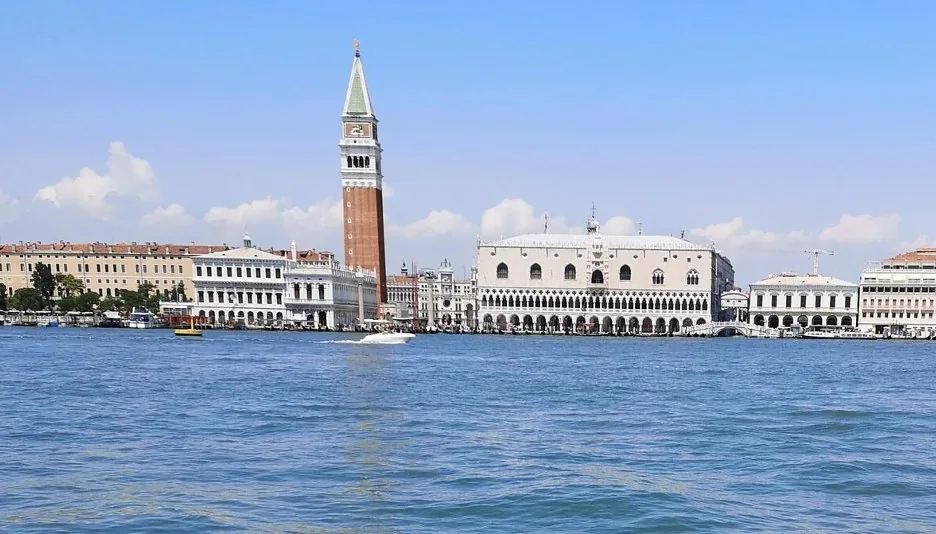
Return to Venice for Carlo Scarpa and modern architecture
Venice is often understood almost entirely through its medieval and Renaissance inheritance.
A second visit can introduce its modern architectural history.
Carlo Scarpa's interventions at the Querini Stampalia, the Olivetti showroom in Piazza San Marco and other relevant sites provide a particularly interesting way to examine the relationship between historic architecture and twentieth-century design.
Continue to the Veneto if the subject deserves additional time.
The Brion memorial at San Vito di Altivole offers another major encounter with Scarpa's work.
Check individual access and reservation arrangements before travelling.
This is a completely different Venice from the one many visitors first experience.
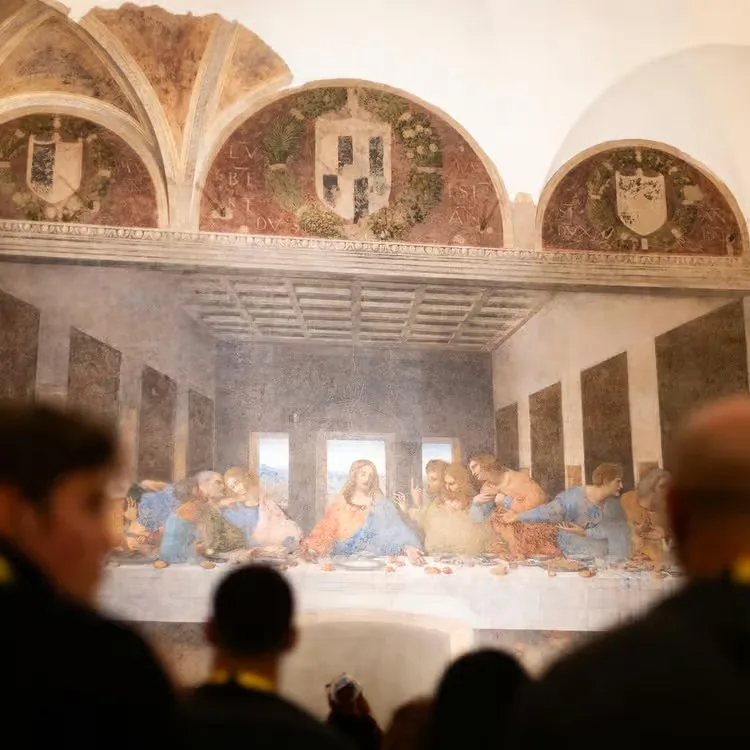
Return to Milan for the history of collecting
Milan's house museums can form the basis of several days of travel.
The Poldi Pezzoli Museum, Villa Necchi Campiglio and the Bagatti Valsecchi Museum each introduce different relationships between architecture, domestic interiors, collecting and social history.
Combine these institutions with contemporary design and modern architecture.
There is considerably more to the city than the cathedral and the Last Supper.
Second Trip to Italy: Five Itineraries We Would Consider
The following journeys are designed for travellers who have already visited Italy's principal cultural cities.
They are illustrative editorial recommendations rather than fixed travel packages.
All durations include arrival and departure days.
Itinerary 1: Piedmont and the Italian lakes
Ten days. For food, wine, historic interiors and landscapes.
| Destination | Nights |
|---|---|
| Turin | 3 |
| Langhe or Roero | 4 |
| Lake Maggiore | 2 |
| Total | 9 |
Spend the first part of the journey in Turin, exploring architecture, cafés and collections.
Continue into the countryside for wine, food and smaller towns.
Finish beside Lake Maggiore.
If historic gardens are a particular priority, consider extending the final stay.
This is particularly suitable for a traveller whose first Italian holiday included Florence and Tuscany.
Itinerary 2: Emilia-Romagna and the Renaissance courts
Ten days. For gastronomy, painting and historic architecture.
| Destination | Nights |
|---|---|
| Parma | 3 |
| Bologna | 3 |
| Ferrara | 1 |
| Mantua | 2 |
| Total | 9 |
The route introduces several different relationships between culture, food and courtly patronage.
The overnight stay in Ferrara can instead become an excursion from Bologna if you prefer fewer accommodation changes.
Mantua provides a particularly substantial artistic conclusion.
Plan individual railway or road connections according to the selected dates.
Itinerary 3: Trieste and Friuli
Eight days. For literature, cultural history and wine.
| Destination | Nights |
|---|---|
| Trieste | 4 |
| Collio or Cividale area | 3 |
| Total | 7 |
Visit Miramare and explore Trieste's intellectual and architectural history.
Continue towards Aquileia and the Friulian countryside, incorporating Cividale according to the final route.
Allow time to understand the region's unusual position between several European cultural traditions.
This is a particularly interesting second trip for travellers who loved Venice but want to understand the Adriatic from another perspective.
Itinerary 4: Umbria and Marche
Twelve days. For medieval towns, Renaissance art and countryside hospitality.
| Destination | Nights |
|---|---|
| Umbrian countryside | 5 |
| Urbino | 3 |
| Ascoli Piceno | 3 |
| Total | 11 |
Use the first accommodation as a base for selected Umbrian cultural excursions.
Continue towards Urbino for Renaissance court culture.
Finish in southern Marche.
Road transportation deserves careful planning, particularly when crossing between the regions.
Itinerary 5: Eastern and western Sicily
Fourteen days. For Mediterranean history, architecture and food.
| Destination | Nights |
|---|---|
| Palermo | 4 |
| Trapani area | 2 |
| Etna countryside | 3 |
| Syracuse or Ortigia | 4 |
| Total | 13 |
This journey provides a broader introduction to the island.
Allow a substantial travel day between western and eastern Sicily.
The Syracuse stay can include selected visits to Baroque towns, depending on the location of the accommodation.
If you have fewer than ten days, we would generally concentrate on one half of this route.
For help deciding the appropriate duration, read How Many Days Do You Really Need in Italy?
Choose Your Second Trip According to a Subject
One of the advantages of returning to Italy is that you no longer need to organise the itinerary around general sightseeing.
A particular subject can become the basis of the entire journey.
| Subject | Suggested geographical focus |
|---|---|
| Renaissance courts | Mantua, Ferrara, Urbino |
| Byzantine and early Christian art | Ravenna, Aquileia, Venice |
| Modern Italian design | Milan, Turin, Veneto |
| Historic textiles | Florence, Venice, Biella area |
| Wine and regional agriculture | Piedmont, Etna, Friuli |
| Literary Italy | Trieste, Recanati, selected Sicilian destinations |
| Historic gardens | Lake Maggiore, northern lakes, Tuscany |
| Baroque architecture | Rome, Lecce, Val di Noto |
| Medieval religious history | Assisi, Spoleto, Orvieto |
| Mediterranean cultural history | Palermo, Syracuse, Campania |
| Industrial heritage | Turin, Milan, Ivrea |
| Traditional craftsmanship | Florence, Faenza, Venice, southern Italian workshops |
These subjects can produce itineraries that would be difficult to discover through a conventional list of recommended cities.
A person interested in Renaissance court culture might never have considered spending three nights in Mantua.
Someone interested in literature might find Trieste considerably more compelling than another week divided between Italy's principal museums.
A collector interested in twentieth-century furniture might spend an entire journey between Milan, Turin and the surrounding regions.
The subject provides a reason to connect the destinations.
How Much Time Should You Spend in Italy on Your Second Visit?
We would generally encourage returning visitors to stay longer in individual places.
For a first visit, there is an understandable desire to see several major destinations.
On a subsequent visit, that pressure should diminish.
| Available time | Suggested approach |
|---|---|
| 4–5 days | One city, such as Turin, Genoa or Trieste |
| 7 days | One region with one or two accommodation bases |
| 10 days | Two connected regions or a substantial regional journey |
| 14 days | A deeper exploration of one large region or several smaller areas |
| 21 days | A thematic journey across several regions |
Three nights in Turin and four in the Langhe can provide a complete holiday.
There is no requirement to add Milan, Venice and Florence simply because the cities are accessible.
The same applies to southern Italy.
A week in eastern Sicily can be entirely sufficient without a further visit to the mainland.
When Is the Best Time for a Second Trip to Italy?
The answer depends on what interests you.
If your first journey took place in summer, a return during another season can reveal a noticeably different country.
Winter: cities, interiors and cultural collections
Consider Turin, Milan, Bologna, Rome or Genoa.
Winter provides a different rhythm for travellers interested in museums, historic cafés, literature, architecture and exhibitions.
Seasonal accommodation and individual opening arrangements should be checked.
Spring: gardens and historic towns
The northern lakes, Umbria, Marche and parts of Tuscany can provide particularly appealing journeys.
Gardens, architecture and the surrounding countryside become central to the experience.
Pay attention to Easter dates and individual seasonal opening schedules.
Summer: mountains, countryside and Mediterranean landscapes
Rather than reproduce an intensive urban sightseeing itinerary, consider selected mountain areas, countryside properties, the lakes or a carefully planned southern journey.
Popular coastal and mountain destinations may be busy.
Longer accommodation stays can make the holiday more comfortable.
Autumn: wine, food and regional culture
Piedmont, Emilia-Romagna, Sicily and Friuli are particularly interesting starting points for a gastronomic journey.
Harvest periods and local events can affect producer availability.
A well-designed autumn itinerary accounts for the agricultural work actually taking place.
For more information about advance reservations, read How Far in Advance Should You Plan a Trip to Italy?
Does a Second Trip to Italy Need a Bigger Budget?
Not necessarily.
The expenditure associated with a journey depends on accommodation, season, transportation and the level of private assistance rather than how many times you have visited Italy.
Some regional itineraries can offer a broader choice of independent accommodation than the country's most internationally recognised luxury destinations.
Others involve remote properties, private drivers and individually arranged experiences that require substantial expenditure.
The budget may also be distributed differently.
Instead of purchasing several private introductory city tours, you might invest in two or three specialist visits.
Instead of selecting three international luxury hotels, you might choose one particularly interesting countryside property and remain there for several nights.
Instead of visiting six cities, you might use part of the transportation budget to extend the journey.
For examples of different private travel budgets, read What €10,000, €20,000 and €50,000 Can Buy You in Italy.
For broader price estimates, see How Much Does a Luxury Trip to Italy Cost in 2027?
Why a Travel Designer Can Be Particularly Useful on Your Second Trip
A first Italian itinerary is relatively straightforward to research.
There are thousands of guides explaining how to visit Rome, Florence and Venice.
Once your interests become more specific, the assignment changes.
Perhaps you want to explore the architecture of Carlo Scarpa.
Perhaps you are interested in historic textile production.
Perhaps you want to understand the relationship between wine, agriculture and regional identity in northern Italy.
Perhaps you would like to spend two weeks in the countryside without staying at properties primarily designed for international resort tourism.
The difficult part is no longer discovering which cities are worth visiting.
It is identifying the people, institutions, accommodation and geographical connections relevant to the subject.
This is where destination expertise becomes particularly valuable.
A private travel designer can help establish which places belong together, how much time each deserves and which individual experiences can be arranged.
Some appointments require advance preparation. Others may not be available to visitors at all.
A responsible itinerary should reflect those limitations.
For a more detailed explanation of professional itinerary design, read Italy Travel Designer vs Travel Agent: What's the Difference?
Our Approach to Returning Visitors at Backstage Italy
Our work in Italian cultural travel began in 2016.
Many of the subjects that continue to interest us are the ones that become apparent after repeated encounters with familiar places.
The way historic Venetian interiors reveal the city's commercial history.
The relationship between Milanese industry and contemporary design.
The connection between Florentine craftsmanship and the paintings commissioned by its wealthy families.
The differences between regions that appear remarkably close together on a map.
These are useful starting points for designing a private journey.
When someone tells us they have already been to Italy, we are interested in what they remember.
Which places made them curious?
What did they wish they had spent longer looking at?
Was there a particular painting, meal, building or conversation that stayed with them?
Which parts of the previous itinerary would they happily leave out next time?
The answers often lead to more interesting possibilities than a conventional destination questionnaire.
Your second journey does not need to be more ambitious than your first.
It can be more personal.
Already know Italy's classic destinations? Tell Backstage Italy what you enjoyed most and let that become the starting point for your next journey.
See also the planning mistakes to avoid on your next Italian journey.
Frequently Asked Questions
Where should I go on my second trip to Italy?
Piedmont, Emilia-Romagna, Friuli-Venezia Giulia, Umbria, Marche, Liguria, Puglia and Sicily are particularly interesting destinations for returning visitors. Choose according to your interests rather than simply trying to visit places you have not yet seen.
What is the best itinerary for a second visit to Italy?
A seven-to-fourteen-day journey concentrated on one or two regions is a useful starting point. Turin and Piedmont, Bologna and Parma, Trieste and Friuli, or a regional journey through Sicily can provide a substantially different experience from the classic Rome–Florence–Venice itinerary.
Where should I go in Italy if I have already visited Rome, Florence and Venice?
Consider Mantua and Ravenna for art, Turin for architecture and historic interiors, Emilia-Romagna for gastronomy, Trieste for cultural history, or Sicily for a broader Mediterranean journey.
Is northern or southern Italy better for a second trip?
Neither is inherently better. Northern Italy can be particularly interesting for design, wine, historic interiors, lakes and mountains. Southern Italy offers distinctive Mediterranean architecture, archaeological sites, coastal landscapes and regional food traditions.
Should I visit Sicily on my second trip to Italy?
Sicily is an excellent choice for returning visitors, particularly those interested in Mediterranean history, architecture and food. Allow at least seven or eight nights for one part of the island, or twelve to fourteen nights for a broader journey.
Is Piedmont worth visiting if I have already been to Tuscany?
Yes. Piedmont's wine traditions, Savoy heritage, architecture and gastronomy differ considerably from Tuscany. Turin and the Langhe or Roero provide a particularly interesting combination.
What are the best Italian cities for returning art lovers?
Mantua, Ravenna, Urbino, Arezzo, Parma, Ferrara and Turin deserve particular attention. Returning to Rome, Florence or Venice with a more specific artistic interest can also be rewarding.
Is Umbria a good alternative to Tuscany?
Umbria offers distinctive medieval towns, religious architecture, countryside accommodation and regional cooking. It is particularly suitable for travellers who enjoyed Tuscany but want to explore another part of central Italy.
Is Trieste worth visiting?
Trieste is especially interesting for travellers drawn to literature, coffee culture, Central European architecture and Adriatic history. It can be combined with Aquileia, Cividale del Friuli and the surrounding wine countryside.
How many days should I spend in Italy on a second visit?
Seven to fourteen days is a useful starting point. Returning visitors often benefit from concentrating on fewer destinations and spending longer in individual places.
Should I revisit Florence or Venice?
Yes. A second visit can focus on subjects that received relatively little attention during your first stay, including historic interiors, decorative arts, craftsmanship, architecture and individual artistic traditions.
Can a second trip to Italy be less expensive than the first?
Yes, depending on destination, season and accommodation choices. Some regional journeys offer more flexibility in hotel selection, although remote properties and private transportation can increase expenditure.
Can a travel designer create an itinerary for someone who already knows Italy?
Yes. A private travel designer can develop a journey around specific interests, identify appropriate specialists and connect destinations in ways that differ from a conventional introductory itinerary.
You Have Already Seen Italy. Now You Can Begin Exploring It.
One of the pleasures of returning to Italy is recognising things you previously overlooked.
The next time you see a Venetian painting, you might pay more attention to the fabric.
A visit to a country estate may become interesting because you have begun to understand the agricultural traditions around it.
The architecture of Trieste may prompt questions about borders and European identity that never arose during your first visit to Rome.
Italy changes as your knowledge of it changes.
And every journey leaves behind a few unanswered questions.
Those questions are often the best reason to return.
Editorial note: All itineraries and recommended durations are illustrative. Named cultural institutions, businesses and accommodation areas are included for individual research. Opening hours, artwork displays, appointment availability, seasonal transportation and access arrangements should be confirmed before travelling.
Where will your Italy take you next?
You already know the classics. Perhaps you would like to explore Piedmont's wine countryside, the architecture of Trieste, the historic courts of northern Italy or the Mediterranean worlds of Sicily.
Tell us what you remember from your previous journeys and what you would like to understand next.
Design your next Italian journeyMore from the journal
Travel Planning
How to Avoid Crowds in Italy Without Missing Its Masterpieces
An approach to Italian cultural travel that begins with knowing where the art is, rather than simply knowing where the tourists aren't.
Travel Planning
How Many Days Do You Really Need in Italy?
Why a week can be enough, why two weeks are considerably better, and why the number of places you visit is a rather poor measure of a holiday.
Travel Planning
How to Plan a Luxury Trip to Italy: An Insider's Guide
How we turn your interests into a day-by-day plan for Italy.