
Travel Planning
Planning a Last-Minute Luxury Trip to Italy
What to do when you have decided to travel next week, the hotels you wanted are full, and you would still rather have an interesting holiday than an available one.
By Backstage Italy · · 29 min read
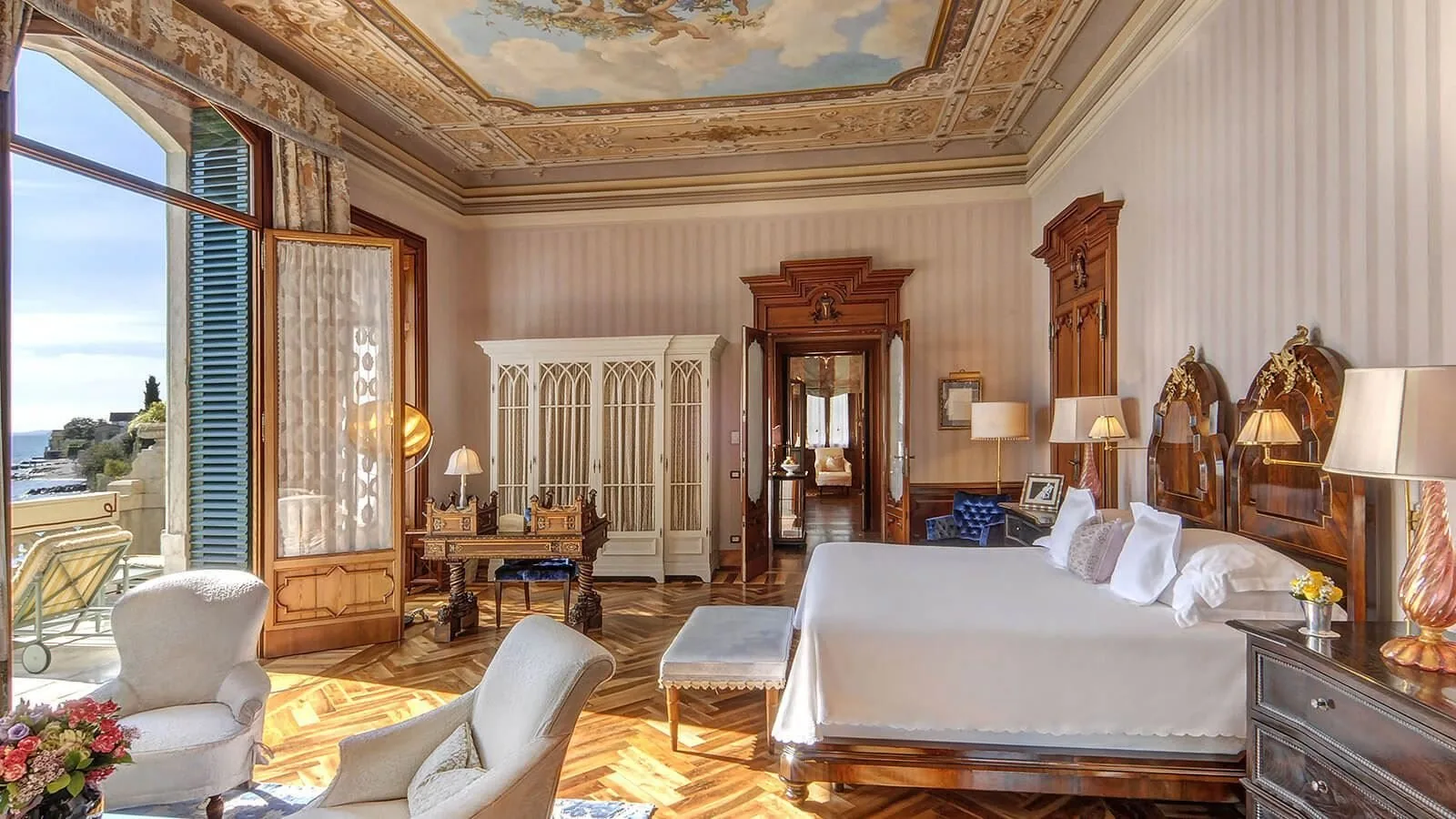
What to do when you have decided to travel next week, the hotels you wanted are full, and you would still rather have an interesting holiday than an available one.
Some of the best Italian holidays begin with very little notice.
A meeting is cancelled. A week unexpectedly becomes available. Someone suggests going to Italy on Friday, and by Sunday the idea has become a serious possibility.
There is something rather appealing about travelling this way.
The difficulty begins when you try to reproduce a holiday that would normally have been planned six months earlier.
You want a particular hotel on Lake Como, a table at a celebrated restaurant, three private cultural visits and a boat on the Amalfi Coast. You would like all of this to happen next Thursday.
A generous budget will help.
It will not create another room in a twelve-room hotel or persuade a fully booked museum to admit additional visitors.
The solution is usually to approach the journey differently.
A last-minute luxury Italy vacation can be excellent, provided you are prepared to reconsider the destination, the accommodation and the structure of the itinerary.
The important thing is to retain the quality of the experience rather than insist on the original list of reservations.
Can You Really Plan a Luxury Italy Vacation at the Last Minute?
Yes.
A private Italian journey can often be organised with one or two weeks' notice. In certain circumstances, a simpler itinerary may be possible within several days.
The main variables are the season, the destination, the number of people travelling and the degree of flexibility.
A couple considering five nights in Turin in November has an entirely different set of possibilities from a family requiring three connecting rooms in Positano in August.
The amount of time available for planning matters, but so does the nature of the request.
| Time before departure | Most realistic approach |
|---|---|
| 48–72 hours | One city or a single accommodation base |
| 4–7 days | One region or two well-connected destinations |
| 2 weeks | A carefully selected multi-destination itinerary |
| 3–4 weeks | A broader private journey, subject to availability |
| 1–2 months | Many conventional luxury itineraries remain possible |
These are practical recommendations, not guarantees of availability.
The shorter the planning window, the more important it becomes to make decisions according to current conditions rather than a predetermined itinerary.
Travelling to Italy within the next few weeks? Tell Backstage Italy your dates and accommodation preferences.
The First Decision: What Are You Actually Unwilling to Compromise On?
Before opening another hotel booking website, establish which elements of the holiday genuinely matter.
Perhaps you want to spend a week beside the water.
Perhaps you want excellent food, beautiful countryside and a hotel with a garden.
Perhaps your interest is Italian art, and the specific city is less important.
These preferences create different possibilities.
If you tell us that you must stay at a particular hotel in Capri on a particular Saturday, the assignment is extremely narrow.
If you tell us that you would like six days somewhere on the Mediterranean, with beautiful accommodation, good swimming and interesting regional cooking, there is considerably more room to work.
For a last-minute journey, we would establish five things immediately:
- The dates that cannot change.
- The number of travellers and their accommodation requirements.
- The approximate overall budget.
- The experiences or conditions that are essential.
- The destinations and arrangements that can remain flexible.
This is particularly important for families.
A couple can often adapt to a wider range of hotel rooms. A family requiring connecting rooms, several bedrooms or accessible accommodation has fewer alternatives.
Define those requirements first.
The rest of the itinerary should respond to them.
Planning Italy Within 48–72 Hours
If you are leaving in two or three days, simplicity is particularly valuable.
We would usually recommend one accommodation base.
The hotel should be easy to reach, well located and suitable enough that you do not need an elaborate programme to enjoy the stay.
At this point, transportation and accommodation are the priorities.
Before confirming either, establish that the arrival and departure arrangements actually work.
Check your passport, applicable entry requirements and travel insurance. Short-notice planning leaves little time to resolve problems with travel documents.
A spontaneous cultural weekend in Turin
Turin is particularly interesting for a short-notice city break.
Its cultural identity is not concentrated around a single attraction.
You can develop several days around historic cafés, architecture, the city's royal heritage, museums, independent shops and Piedmontese cooking.
The Museo Egizio may be an important part of the visit, but its availability need not determine whether the entire holiday is worthwhile.
A walk through the city's porticoes, time around Piazza Carignano and an afternoon exploring historic interiors can provide a substantial experience of Turin.
A private guide, if available, could help connect these places.
The rest can remain flexible.
A few days in Bologna
Bologna works particularly well when you want to organise a trip quickly without sacrificing cultural interest.
The historic centre is largely walkable. The city's medieval architecture, university history, food traditions and porticoes provide several possible directions for a short stay.
A good hotel and a handful of restaurant reservations may be sufficient.
If you have additional time, Parma, Modena or other parts of Emilia-Romagna can be considered, depending on actual connections and availability.
We would not reserve three different hotels for a four-day holiday.
A last-minute weekend in Milan
Milan is another practical possibility, particularly for travellers with convenient flight connections.
It is a city where an interesting programme can be developed around contemporary design, architecture, historic houses, exhibitions, galleries and restaurants.
There is one important exception.
If your principal reason for visiting Milan is Leonardo's Last Supper, check ticket availability before committing to the trip.
Reservations are compulsory, and the museum releases tickets in batches for future months.
A spontaneous visit to Milan is very different from a spontaneous visit to the Last Supper.
Official museum information: Museo del Cenacolo Vinciano
The city has plenty of other cultural possibilities, but they should not be presented as a way of obtaining admission to a sold-out attraction.
Planning Italy One Week Before Departure
With approximately a week to organise the trip, we would consider one region or two well-connected destinations.
This allows some geographical variety without creating too many dependent reservations.
Milan and Turin
Four nights divided between Milan and Turin can provide a particularly interesting introduction to northern Italian design, architecture and urban culture.
Both cities have historic cafés, important collections and distinctive approaches to contemporary Italian life.
The railway connection makes the combination practical.
If accommodation availability is more favourable in one city, you could also base yourself there and consider a day excursion.
Rome and Florence
For a first visit, Rome and Florence remain a logical combination.
Direct high-speed trains connect the cities in approximately ninety minutes, depending on the service.
Official railway information: Italo: destinations and timetables
Three nights in each city can provide an excellent six-night journey.
The cultural programme may need to be developed around the reservations that are actually available rather than the conventional list of major attractions.
In Rome, there is considerably more to explore than the Colosseum and Vatican Museums. See our guide to alternative museums and cultural institutions in Italy.
In Florence, the Uffizi is extraordinary, but it is not the only place where Renaissance art can be understood.
A knowledgeable cultural itinerary can work with these limitations.
Bologna and the Emilia-Romagna countryside
This is an appealing alternative for someone who wants good food, attractive accommodation and several days outside the most internationally recognised tourist centres.
You might spend three nights in Bologna before continuing to a countryside property near Modena, Parma or Reggio Emilia.
For accommodation research, properties such as Relais Roncolo 1888 near Quattro Castella or Il Borgo del Balsamico illustrate the relationship between regional hospitality, agriculture and food production.
Their actual room availability and operating dates would need to be checked.
A journey can be built around traditional balsamic vinegar, regional cheeses, independent producers and local restaurants, subject to individual appointment availability.
There is no need to arrange a private experience every morning.
Planning a Luxury Italy Trip Two to Four Weeks Ahead
With two to four weeks, the possibilities become considerably broader.
It may be possible to organise several destinations, private drivers, cultural specialists and distinctive hotels.
The approach should still differ from a journey planned a year in advance.
Rather than selecting every preferred property first, we would examine availability across several suitable geographical areas.
Sometimes the most interesting itinerary emerges from that research.
Example: eight days in northern Italy
| Destination | Nights |
|---|---|
| Turin | 3 |
| Langhe countryside | 2 |
| Lake Maggiore | 2 |
| Total | 7 |
This provides a mixture of urban culture, regional gastronomy and lakeside accommodation.
The route is particularly suitable for travellers interested in historic interiors, wine and landscapes.
Transportation through the Langhe should be arranged according to the location of the selected hotel and available experiences.
Example: ten days in central Italy
| Destination | Nights |
|---|---|
| Rome | 3 |
| Umbrian countryside | 3 |
| Florence | 3 |
| Total | 9 |
This route offers three quite different experiences without requiring travel between distant parts of the country.
The Umbrian stay provides an opportunity to explore smaller towns, Romanesque architecture and regional food.
A suitable countryside property might become a substantial part of the holiday.
Example: seven days in one region
| Destination | Nights |
|---|---|
| Bologna | 3 |
| Emilia-Romagna countryside | 3 |
| Total | 6 |
This is a particularly manageable format for a short-notice gastronomic journey.
The itinerary can be designed around the accommodation, available producers and restaurants rather than a fixed daily programme.
All three examples are illustrative. None represents a confirmed package or verified supplier availability.
The final route should be determined after checking actual accommodation and transportation options.
Where to Go in Italy at the Last Minute
There is no destination in Italy that consistently has excellent last-minute availability.
Demand changes according to the season, events, weekends and the individual properties involved.
However, some places offer a greater variety of possible accommodation and cultural experiences than others.
That can make them useful starting points.
| If your original plan is difficult to arrange | Consider exploring |
|---|---|
| Lake Como in summer | Lake Maggiore or Lake Orta |
| Positano and Capri | Cilento or selected parts of the Ligurian coast |
| Central Florence | Other Florentine neighbourhoods, Siena or Lucca |
| Tuscan countryside | Umbria or Marche |
| A conventional Venice itinerary | Turin, Ravenna or a longer regional journey |
| Chianti wine country | Langhe or selected parts of Emilia-Romagna |
| A famous coastal resort | A countryside property with a pool and suitable regional excursions |
These are geographical alternatives, not interchangeable versions of the same destination.
Lake Orta does not reproduce Lake Como.
Cilento is not a less expensive imitation of Positano.
Ravenna is not a substitute for the architecture of Venice.
The value of choosing a different destination is that it allows you to organise a different holiday, rather than compromise on every aspect of the original one.
Lake Maggiore and Lake Orta
If what interests you about Lake Como is historic villas, water, gardens and a slower pace, other northern Italian lakes deserve consideration.
Lake Maggiore has a distinctive history of aristocratic residences and garden design.
The Borromean Islands are particularly interesting when their seasonal visiting arrangements permit.
Lake Orta offers a more intimate landscape, with smaller towns and a different approach to lakeside hospitality.
Both can be busy during popular summer weekends.
Neither should be presented as a guaranteed solution to sold-out accommodation elsewhere.
Umbria
Umbria is particularly suitable for travellers who want to combine cultural visits with several nights in the countryside.
Spoleto, Bevagna, Orvieto and Assisi each introduce different aspects of regional history.
A countryside stay can provide the flexibility to explore them according to the weather, individual opening hours and your interests.
Borgo della Marmotta, near Spoleto, is one example of the region's distinctive rural hospitality.
The property is associated with a historic agricultural settlement and provides a useful starting point when researching accommodation outside the principal Tuscan destinations.
Official operating dates and room availability must be confirmed.
Marche
Marche remains interesting precisely because its cultural identity is difficult to summarise through one familiar international image.
Urbino provides an important introduction to Renaissance court culture.
The countryside contains historic towns, agricultural landscapes and independent hospitality businesses.
The Adriatic coastline offers yet another aspect of the region.
Transportation requires careful consideration, particularly if the holiday involves several rural destinations.
Marche works best when the traveller genuinely wants to explore it, rather than simply needs somewhere else to go.

Turin and Piedmont
Piedmont offers a particularly strong combination of urban architecture, historic hospitality, regional food and wine.
A journey can be organised around Turin alone or extended into the countryside.
For wine-focused travellers, the Langhe can be particularly rewarding, although autumn weekends and important regional events may require substantial advance planning.
A last-minute Piedmont holiday should therefore be shaped around actual accommodation and producer availability.
Emilia-Romagna
Emilia-Romagna is one of the regions we would consider when someone wants a holiday centred on food rather than famous landmarks.
Bologna, Parma and Modena offer different culinary traditions.
The surrounding countryside introduces the agricultural businesses behind them.
A particularly interesting journey may involve only a small number of appointments, combined with markets, restaurants and historic towns.
It does not require a long list of advance museum reservations to be worthwhile.
What If You Want to Visit Italy Next Week in August?
August requires a different approach.
In the Italian coastal destinations most associated with international luxury travel, desirable accommodation can be difficult to arrange at short notice.
The issue is not always whether rooms exist.
It is whether the remaining rooms justify their prices and suit the intended experience.
Before committing to a very expensive last-minute hotel, establish exactly what the accommodation offers.
What does the room overlook?
Is there access to the beach?
Does the property require a vehicle for every excursion?
Are the facilities you want actually operating?
Would you enjoy spending several days there even if some external arrangements were unavailable?
Consider the mountains
The Dolomites and other Alpine regions can be attractive in summer, particularly for travellers who prefer walking, landscapes and cooler conditions to a conventional seaside holiday.
Popular mountain resorts can also be heavily booked.
The decision should be based on actual accommodation availability, local conditions and transportation.
Consider an inland countryside property
A beautiful rural hotel with a pool, good restaurant and suitable surroundings can provide an excellent summer holiday.
The advantage is that the stay itself has value even if certain outside experiences are difficult to arrange.
For travellers who do not need to swim in the sea, this can be a particularly useful alternative.
Consider fewer destinations
During a busy August period, every additional accommodation change creates another availability problem.
A six-night stay in one excellent property may be preferable to three two-night stays in hotels selected simply because rooms remain.
Remember Ferragosto, the Italian public holiday on 15 August.
Individual restaurants, workshops and businesses may have different operating arrangements during the surrounding holiday period.
Check them directly.
Last-Minute Italy in Spring, Autumn and Winter
A spontaneous Italian journey can be easier outside the most sought-after summer travel periods.
But the word "off-season" can be misleading.
Italy has several overlapping travel calendars.
Venice can experience substantial demand during major cultural events.
Piedmont becomes particularly popular during autumn gastronomy-related travel.
Milan's design and fashion calendar can influence accommodation prices and availability.
Christmas and New Year create their own patterns of demand.
Spring
A short-notice spring holiday can work particularly well when focused on cities, gardens and countryside.
Consider the Easter calendar, local events and hotel operating dates.
Weather conditions may make some plans more suitable than others.
Autumn
Autumn can be excellent for a spontaneous trip centred on regional cooking, exhibitions and architecture.
However, selected wine regions may be particularly busy.
In the countryside, accommodation and producer availability need to be assessed together.
Winter
Winter is particularly interesting for travellers who want to organise Italy around culture rather than the coast.
Turin, Milan, Rome, Bologna and Venice all offer reasons to visit outside the summer months.
A winter holiday might involve an exhibition, several excellent restaurants, historic interiors and long afternoons in museums.
Many coastal properties and seasonal attractions operate differently during winter, so do not simply reproduce a summer itinerary.
For a detailed explanation of seasonal booking patterns, read How Far in Advance Should You Plan a Trip to Italy?
How to Find Exceptional Hotels in Italy at the Last Minute
The first step is to stop treating the hotel search as a competition to obtain the most famous available name.
Hotel availability can change as travellers amend or cancel reservations.
But cancellations are unpredictable.
It is better to have a selection of genuinely suitable alternatives than depend on a room becoming available at one particular property.
Search by neighbourhood and experience
In Florence, someone interested in craftsmanship and independent restaurants may prefer the Oltrarno to a hotel immediately beside the principal monuments.
In Turin, proximity to the historic centre and its cafés may matter more than an extensive list of hotel facilities.
In Venice, the neighbourhood and water access can substantially affect the stay.
These considerations remain relevant even when you are booking at short notice.
Check the actual room category
Availability at a particular hotel does not necessarily mean availability in a suitable room.
Look at:
- Room size and configuration.
- Views and natural light.
- Bed arrangements.
- Outdoor space.
- Accessibility.
- Noise considerations.
- The relationship between the room and the rest of the property.
A better room at a smaller independent hotel may be preferable to the least desirable remaining room at a famous luxury property.
Check the property directly
Hotel websites, established booking channels and professional travel advisors may display different room categories, rates or booking conditions.
A property may also be able to clarify details that are not obvious from its online inventory.
This does not mean every apparently sold-out hotel has rooms available through a private channel.
It simply means that the complete accommodation picture may require direct communication.
Compare the full booking conditions
A last-minute reservation can involve restrictive cancellation terms.
Before paying, confirm the total cost, inclusions, deposit conditions, cancellation policy and relevant taxes.
If transportation or another essential part of the journey remains unconfirmed, consider whether the hotel booking terms provide sufficient flexibility.
Does a Last-Minute Luxury Trip to Italy Cost More?
Sometimes.
But there is no universal last-minute surcharge.
Hotels and transport providers price according to demand, inventory, dates and their individual commercial policies.
A late cancellation may occasionally create an attractive opportunity.
In other cases, the least expensive suitable room categories may already have sold out.
This can increase the effective cost of the holiday without any change to the hotel's published pricing strategy.
Consider a hypothetical nine-night journey for two people.
| Expense | Original planning allowance | Short-notice alternative |
|---|---|---|
| Accommodation | €6,300 | €8,100 |
| Transportation | €1,300 | €1,600 |
| Cultural visits and experiences | €1,900 | €1,900 |
| Restaurants and wine | €2,000 | €2,000 |
| Professional planning allowance | €1,500 | €1,500 |
| Other expenses and contingency | €1,000 | €1,300 |
| Total | €14,000 | €16,400 |
The €2,400 difference illustrates what might happen when suitable accommodation becomes more expensive and the transport arrangements require less flexible choices.
These are hypothetical figures, not observed supplier quotations or Backstage Italy prices.
The actual relationship can work differently.
Choosing another region might reduce the total expenditure. Selecting a longer stay at one property could avoid several private transfers.
The most useful way to manage a last-minute budget is to reconsider the structure of the journey rather than pay more for every available alternative.
For realistic examples of complete Italian vacation budgets, read What €10,000, €20,000 and €50,000 Can Buy You in Italy.
For a detailed analysis of hotel, transportation and private experience costs, read How Much Does a Luxury Trip to Italy Cost in 2027?
What to Do When Italy's Famous Museums Are Fully Booked
One of the advantages of Italy is that its cultural heritage is not contained entirely within its most famous museums.
A traveller interested in Renaissance painting does not necessarily need to abandon Florence because their preferred Uffizi time slot is unavailable.
Someone interested in ancient Rome has considerably more to explore than a single monument.
The key is to develop an alternative around the original cultural interest.
Florence beyond the Uffizi
If you cannot obtain suitable Uffizi admission, consider researching:
- Santa Croce.
- The Bargello.
- Palazzo Davanzati.
- The Museo di San Marco.
- Santa Maria Novella.
These places introduce different aspects of Florentine art, architecture, religious history and domestic life.
They are not equivalent substitutes for the Uffizi.
Their relevance depends on what you wanted to understand there.
Check individual opening arrangements, admission requirements and availability.
Official Uffizi ticket information: Uffizi Galleries: tickets
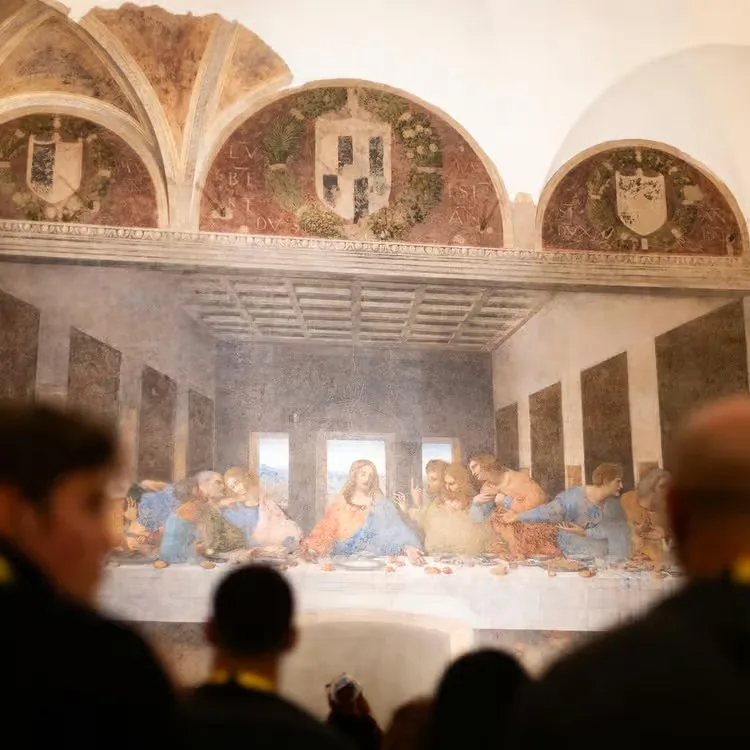
Milan beyond the Last Supper
Leonardo's Last Supper requires advance reservations.
If admission is unavailable, Milan still offers a substantial cultural programme.
The Castello Sforzesco, the Pinacoteca Ambrosiana, the city's house museums and its architectural heritage can all contribute to an interesting visit.
For travellers interested in Leonardo specifically, the Ambrosiana's collections may provide another direction, depending on what is currently displayed.
Verify exhibitions and access arrangements before confirming the visit.
Rome beyond the Colosseum
The Colosseum currently releases timed-entry tickets 30 days before the visit.
Availability can become limited during busy periods.
If you cannot secure admission, consider exploring other aspects of Roman history through archaeological collections, historic buildings and specialist cultural visits.
The Capitoline Museums, the National Roman Museum and Ostia Antica offer different approaches to the ancient city and its surrounding territories.
They each have their own admission arrangements.
Official Colosseum information: Colosseum Archaeological Park: opening times and tickets
Do not pay an unknown intermediary merely because it promises guaranteed access to a sold-out attraction.
Private guiding and admission are separate arrangements. A guide cannot automatically override a venue's capacity or reservation rules.
How to Organise Private Guides at Short Notice
When a journey is planned several months ahead, there may be time to identify a particular specialist and build part of the itinerary around their availability.
At short notice, that approach may need to change.
Begin with the subject.
If you want an architectural introduction to Venice, identify the essential aspects of the visit rather than insist on a particular individual.
If you are travelling with children, the guide's ability to engage with them may be more important than following the conventional museum route.
A good travel designer can assess suitable alternatives, subject to the specialists who are actually available.
Some visits may need to move to another day.
Others may be replaced by an independently explored cultural site.
There is no reason to fill every gap in the itinerary simply because a planned guide is unavailable.
A single excellent cultural visit can provide the context for several days of independent exploration.
Private Drivers, Trains and Last-Minute Logistics
Transportation is one of the areas where short-notice planning can benefit from a particularly practical approach.
For journeys between Rome, Florence, Milan, Bologna and Venice, high-speed rail offers useful alternatives to long-distance private road transportation.
It also reduces the number of individual suppliers that need to be coordinated.
Premium seats may be available even when some lower-priced fare categories have sold out, although availability must be checked.
A private driver becomes more important when the accommodation is outside a city or when the programme involves several countryside locations.
Our preferred approach
- Use high-speed trains for straightforward intercity journeys.
- Arrange private transfers where hotel access or luggage makes them worthwhile.
- Reserve drivers for countryside days with a defined purpose.
- Avoid unnecessary changes of accommodation.
- Check each connection before confirming dependent reservations.
Venice deserves special attention.
The journey to the hotel may require a water taxi, walking or luggage assistance after arriving by train or car.
Similarly, a hotel on the Amalfi Coast may require additional road transportation even when part of the journey is made by boat.
For a detailed comparison of transport options, read Private Drivers or First-Class Trains in Italy?
How to Book Excellent Restaurants at the Last Minute
A well-known restaurant being unavailable is rarely a reason to change an entire Italian holiday.
Italy's gastronomic culture is much broader than the establishments that appear repeatedly in international travel publications.
Some of the restaurants we would consider for a short-notice journey are traditional regional businesses with relatively little international publicity.
The cooking may be excellent precisely because it is directed towards people who return regularly.
Be flexible about the meal
A restaurant that is unavailable for Saturday dinner may have space for Friday lunch.
In the Italian countryside, a substantial lunch can be a particularly enjoyable way to organise the day.
The alternative may actually suit the itinerary better.
Consider different neighbourhoods
In larger cities, restaurant demand can be concentrated around certain districts.
A short journey towards a more residential neighbourhood may reveal suitable alternatives.
The aim should be excellent cooking rather than an address that has become fashionable on social media.
Leave some meals unreserved
If you have only six days in Italy, perhaps two or three restaurant reservations are enough.
The remaining meals can develop around the places you visit.
This also reduces the practical consequences of delays, changes in the weather or a particularly long cultural visit.
A last-minute holiday need not become an exercise in trying to confirm every table.
Can a Private Travel Designer Help With a Last-Minute Italy Vacation?
This is one of the circumstances in which professional planning can be particularly valuable.
A traveller with several months available can research hotel alternatives, examine transportation schedules and contact individual suppliers over an extended period.
Someone departing in ten days has considerably less time to coordinate those decisions.
A destination specialist can help assess several possibilities in parallel.
The work may involve identifying suitable geographical alternatives, comparing available hotel categories, contacting relevant suppliers and developing a workable route before important reservations are lost.
However, it is important to understand the limits of the service.
A travel designer cannot guarantee admission to a sold-out museum, create accommodation where no suitable rooms exist or secure private appointments without the supplier's agreement.
Professional relationships can help with communication and identifying alternatives.
They do not eliminate capacity limits.
The value of expertise is often knowing what to do instead.
For more information about the work involved in professional itinerary design, read Is Hiring a Private Travel Planner for Italy Worth It?
What We Need to Know to Plan Your Last-Minute Italy Trip
If you are considering travelling soon, a useful initial enquiry should contain a few practical details.
| Information | Why it matters |
|---|---|
| Exact arrival and departure dates | Determines accommodation and transport availability |
| Number of travellers | Affects rooms, vehicles and private arrangements |
| Ages of children, if travelling as a family | Influences accommodation and activity choices |
| Preferred arrival airport or existing flights | Establishes realistic geographical options |
| Approximate land budget | Determines which alternatives are appropriate |
| Accommodation preferences | Helps distinguish essential features from optional upgrades |
| Main interests | Allows the itinerary to develop around meaningful experiences |
| Flexibility about destinations | Expands the available possibilities |
| Mobility or dietary requirements | Ensures that suitable arrangements can be assessed |
If you have already reserved flights or accommodation, include the relevant dates, locations and cancellation conditions.
You do not need to prepare a complete itinerary before contacting us.
The purpose of the initial discussion is to establish what is realistically possible within the available time.
Five Mistakes to Avoid When Booking Italy at the Last Minute
1. Paying for flights before checking the essential arrangements
If your entire holiday depends on a particular hotel, event or experience, establish whether it is available before committing to restrictive flights.
2. Keeping the original itinerary at any cost
An itinerary designed around advance reservations may no longer make sense.
Consider changing the geography rather than replacing every unavailable arrangement with a less suitable one.
3. Booking too many hotels
Every additional hotel introduces another check-in, transfer and availability requirement.
A simpler route is often particularly valuable when the journey must be organised quickly.
4. Paying excessive prices for unsuitable rooms
A room can be available, expensive and entirely wrong for you.
Consider what the accommodation actually contributes to the holiday.
5. Believing every promise of last-minute exclusive access
Ask for clear details about what is included and who is providing the service.
A private tour does not necessarily include special admission.
A concierge relationship does not guarantee a reservation at a fully booked restaurant.
Confirm the actual arrangements before making payments.
A Practical Last-Minute Italy Booking Checklist
First: establish whether the trip works
- Confirm travel documents and applicable entry requirements.
- Establish dates and group size.
- Check viable flight or railway connections.
- Identify suitable accommodation.
- Assess the overall budget.
Second: secure the essential reservations
- Accommodation.
- Necessary transportation.
- Important cultural experiences.
- Specialist guides, where available.
- Specific dietary, family or accessibility arrangements.
Third: organise the remaining details
- Selected restaurant reservations.
- Local transportation.
- Additional cultural visits.
- Travel insurance.
- Supplier contact information.
- Arrival instructions.
Finally: leave some time alone
Not every afternoon needs a reservation.
Once the essential arrangements are secure, resist the temptation to spend the remaining planning time filling the itinerary.
There may be something particularly enjoyable about a holiday that was conceived only a few days before it began.
Preserve some of that spontaneity.
We have written separately about private concierge assistance in Italy.
Frequently Asked Questions
Can I book a luxury Italy vacation at the last minute?
Yes. Short-notice luxury travel is possible, particularly if you are flexible about destinations, accommodation and individual experiences. Highly sought-after properties and dates may limit the available choices.
Can I plan a trip to Italy in one week?
Yes. One week can be sufficient to organise a city break, a focused regional holiday or a journey between two well-connected destinations. Complex multi-region itineraries may require more flexibility.
Can I organise Italy within 48 hours?
A straightforward trip may be possible if suitable transportation and accommodation are available and travel documentation is in order. A complex private itinerary involving several regions and specialist experiences is less realistic within this timeframe.
Are luxury hotels in Italy cheaper at the last minute?
Not necessarily. Prices depend on demand, availability and individual hotel policies. A late cancellation may occasionally create an opportunity, while limited room inventory can make accommodation more expensive.
Where should I go in Italy at the last minute?
Rome, Florence, Milan, Turin and Bologna can provide useful starting points for city-based travel because they offer varied accommodation and cultural possibilities. For countryside holidays, consider Umbria, Piedmont, Marche or Emilia-Romagna according to actual availability and season.
Can I book Lake Como or the Amalfi Coast at short notice?
It may be possible, but popular luxury properties and premium room categories can be difficult to secure during summer. Flexibility regarding hotels, dates and nearby regions can improve your options.
Can a travel planner arrange sold-out museum tickets?
A professional may identify legitimate available tickets or suitable alternatives, but cannot guarantee admission when an institution has reached capacity. All visits remain subject to official booking rules.
Is last-minute private transportation available in Italy?
It can be, depending on the location, vehicle requirements and dates. High-speed rail may offer a practical alternative between major cities, while countryside and coastal transfers require individual verification.
How much should I budget for a last-minute luxury Italy vacation?
The appropriate budget depends on the itinerary, available accommodation, transport and level of private assistance. There is no universal last-minute price premium. Allow sufficient flexibility for alternative room categories and additional logistical expenses.
Is it better to book a last-minute package or arrange a private journey?
An available package can be convenient if its dates, destinations and accommodation suit you. A private journey offers greater scope to develop the itinerary around your interests and the arrangements that can realistically be confirmed.
Can Backstage Italy help with a last-minute trip?
Backstage Italy can assess short-notice enquiries and explore suitable private travel arrangements. Whether a particular journey can be organised depends on the dates, complexity, available suppliers and the time required to confirm the arrangements.
A Different Kind of Spontaneity
Italy is a particularly interesting country in which to change your mind.
You might have intended to spend a week on Lake Como and find yourself in a country house in Umbria instead.
You might discover that Turin's architecture interests you more than the museums you had originally planned to revisit.
You might spend three afternoons in Bologna rather than visit three different cities.
There is no reason for these decisions to feel like compromises if the resulting holiday has been conceived properly.
The real mistake is insisting that a last-minute journey must resemble one planned a year ago.
At Backstage Italy, our work in Italian cultural travel began in 2016. We approach short-notice travel with the same interest in people, places and regional culture that informs our longer planning projects.
The difference is that the itinerary needs to respond more directly to what is possible now.
Tell us when you want to travel, what matters to you and what you are prepared to reconsider.
There may be a considerably more interesting Italy available than the one you originally had in mind.
Editorial note: The accommodation examples and suggested itineraries in this article are recommendations for research, not statements of current availability. The financial comparison is hypothetical. Actual hotel rates, admission tickets, transport schedules, travel requirements and private services must be verified for the intended dates. Official museum and railway information was reviewed in November 2026.
Italy, sooner than you expected.
A week unexpectedly free? A change of plans? A journey you would rather not postpone?
Tell us your travel dates, approximate budget and what you would like to experience. We will assess the possibilities for a private Italian journey.
Discuss your upcoming tripMore from the journal
Travel Planning
How Far in Advance Should You Plan a Trip to Italy?
An Italian travel booking calendar, from the hotels worth reserving a year ahead to the museum tickets you cannot buy until a month before departure.
Travel Planning
Is Hiring a Private Travel Planner for Italy Worth It?
What professional travel planning actually buys you, when it makes financial sense, and when you are better off organising Italy yourself.
Travel Planning
How Many Days Do You Really Need in Italy?
Why a week can be enough, why two weeks are considerably better, and why the number of places you visit is a rather poor measure of a holiday.