
Travel Planning
Italy Travel Designer vs Travel Agent: What's the Difference?
Understanding the people behind a private Italian journey, what their expertise is worth, and how to choose the right kind of professional assistance.
By Backstage Italy · · 22 min read
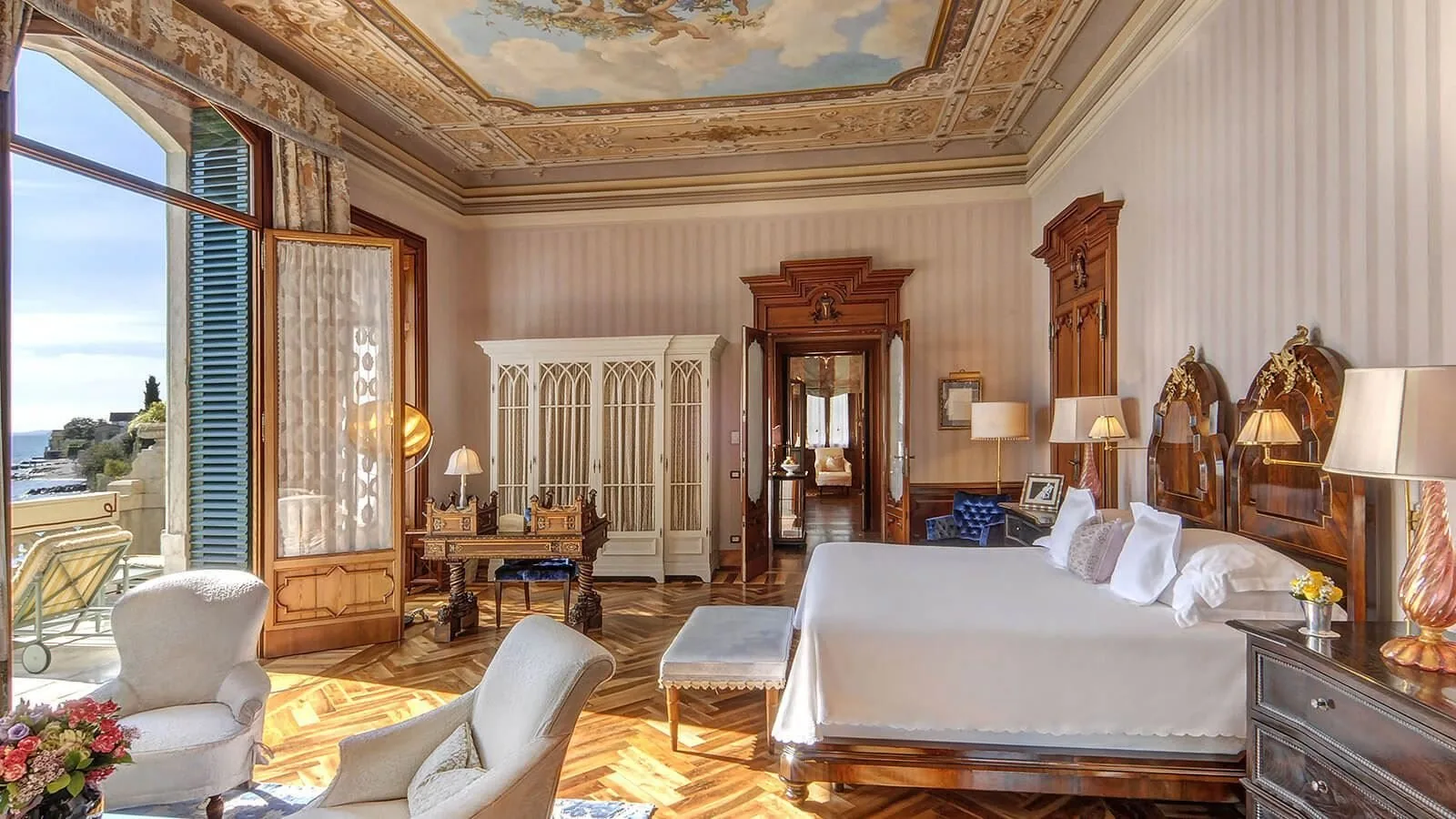
Imagine that you are planning five days in Venice.
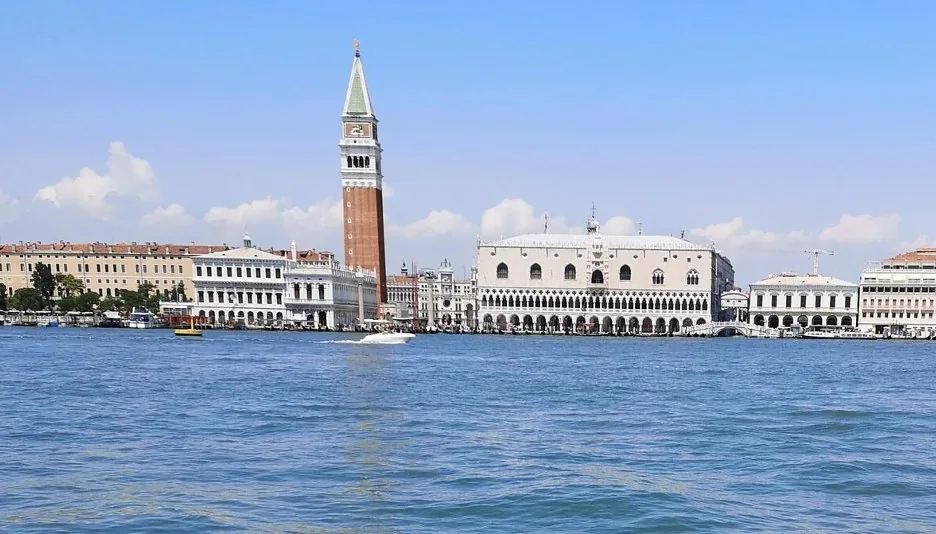
You have already visited the Doge's Palace and the Basilica of San Marco. You know the principal museums. This time, you are interested in Venetian textiles, architecture, collecting and the city's relationship with the East.
You would like to stay somewhere beautiful, but you are less interested in the hotel's international reputation than in its history and interiors.
What you need is someone who understands the relationship between these interests and the city itself.
A hotel reservation is only one small part of the assignment.
This is the territory of an Italy travel designer.
The term has become increasingly common in the luxury travel industry, although its meaning is not always clear. Some companies use it to describe highly specialised itinerary design. Others use it as a contemporary name for services that experienced travel agents have provided for decades.
The distinction is worth understanding, particularly before investing in an expensive private journey.
What Is an Italy Travel Designer?
An Italy travel designer is a professional who develops individual journeys around a traveller's interests, preferences, budget and circumstances, drawing on detailed knowledge of Italian destinations.
The emphasis is on the conception of the journey: deciding where someone should go, what they might find interesting, how the different places relate to one another and what kind of accommodation and experiences support that intention.
Depending on the business model, a travel designer may also coordinate reservations, work with local suppliers and provide assistance during the trip.
Some work independently as consultants. Others operate within established travel agencies or destination management companies.
The title describes an approach to travel rather than a universally recognised professional or legal classification.
Its meaning depends on what the person actually does.
Italy Travel Designer vs Travel Agent: A Practical Comparison
A traditional travel agent typically helps clients select and reserve travel services. An Italy travel designer generally places greater emphasis on developing the itinerary itself and applying destination-specific knowledge.
However, these roles overlap considerably.
An experienced luxury travel agent may also be an excellent travel designer. Equally, someone describing themselves as a travel designer may offer little more than basic itinerary planning.
The distinction is best understood through the work involved.
| Comparison | Travel agent or advisor | Italy travel designer |
|---|---|---|
| Primary focus | Travel advice, reservations and supplier coordination | Individual itinerary conception and destination-specific planning |
| Starting point | Travel requirements, preferred destinations and available services | Traveller's interests, pace, circumstances and intentions |
| Geographic expertise | May cover multiple countries or specialise in one destination | Typically concentrated on Italy or particular Italian regions |
| Accommodation | Hotel selection, reservations and potential booking benefits | Hotel selection within the wider context of the journey |
| Cultural experiences | Arranges suitable tours and activities | Develops experiences around particular subjects and interests |
| Pricing | Service fees, commissions or combined models | Consulting fees, planning fees, commissions or inclusive quotations |
| Booking responsibility | Depends on the business and contract | Depends on the business and contract |
| Best suited to | Travellers seeking reservation assistance and professional advice | Travellers seeking a highly individual, destination-led journey |
These are general tendencies, not fixed boundaries.
There are excellent travel advisors who combine all these functions within a single service.
A Travel Designer Starts With a Different Kind of Question
A couple tells us they would like to spend ten days in Italy.
They mention Venice, Florence and the Amalfi Coast. They have a generous budget, enjoy art and architecture, and would like to stay in interesting hotels.
One approach would be to select suitable properties in those destinations, reserve transportation and organise several private tours.
There is nothing inherently wrong with that.
A travel design approach might begin by asking why they have chosen those particular places.
What kind of architecture interests them? Have they already visited Florence? Do they enjoy coastal holidays, or have they included the Amalfi Coast because it appears on every recommended Italy itinerary?
Perhaps they collect twentieth-century furniture and would find Turin and Milan far more interesting than another visit to a Renaissance museum. (We have written separately about exploring Italy through its artistic heritage.)
Perhaps they are fascinated by historic interiors, in which case Venice and its surrounding mainland villas might justify several additional days.
Perhaps the Amalfi Coast is precisely what they want.
The point is to establish that before making reservations. That is also why it helps to know when to contact an Italy travel designer.
The original list of destinations is useful information, but it need not become the final itinerary.
Sometimes the most valuable part of travel design is questioning the itinerary before it exists.
What Travel Design Looks Like in Practice
Consider two hypothetical journeys through Venice and Florence.
Both are seven nights long. Both include excellent accommodation, private transportation where appropriate and individually arranged cultural visits. (We have written separately about the practical differences between private drivers and trains.)
The travellers have similar budgets.
Their interests, however, are different.
Journey one: a first introduction to Italian art
The first couple has never visited Italy.
They want to understand why Venice and Florence occupy such important places in European artistic history.
In Venice, their programme might explore the relationship between maritime trade, religious patronage and painting, with visits to the city's major architectural and artistic landmarks.
In Florence, their attention might turn to the Medici, the development of Renaissance painting and the role of merchant families in commissioning art.
A visit to the Uffizi would be particularly relevant, as would time in churches where artworks remain within their original architectural context.
The itinerary would provide a foundation for understanding the cities.
Journey two: textiles, interiors and collecting
The second couple has visited both cities several times.
They are interested in decorative arts, historic interiors, textiles and the relationship between craftsmanship and contemporary collecting.
In Venice, their itinerary might include the history of the city's silk industry, a visit to the Palazzo Mocenigo museum and, subject to availability, an appointment with a relevant specialist or working craft business.
Florence could introduce the city's textile traditions, historic domestic interiors and contemporary workshops in the Oltrarno.
A conventional overview of Renaissance painting would occupy relatively little of their time.
Although the destinations and overall budgets are similar, the journeys have almost nothing in common.
That difference is the work of travel design.
Why Destination Expertise Matters Particularly in Italy
Italy is a difficult country to understand through a general tourism framework.
Its regional identities remain remarkably distinct. Food traditions, architectural languages, landscapes and local histories can change considerably within relatively short distances.
Understanding Naples does not automatically mean understanding Turin.
Knowing the hotels on Lake Como does not necessarily make someone well qualified to design a journey through Sicily.
A destination specialist should recognise those differences.
Knowing the neighbourhood, not simply the city
A recommendation to stay in Florence is hardly useful on its own.
The experience of staying near Piazza della Signoria is different from staying in the quieter residential parts of the Oltrarno.
In Venice, a hotel in Cannaregio can give your days a different rhythm from a property on the Grand Canal or the Giudecca.
A travel designer should be able to explain those distinctions in relation to the traveller.
Where will you have breakfast? How will you return after dinner? Will you spend your mornings in museums or walking through neighbourhoods? How much time do you actually intend to spend at the hotel?
These questions are part of hotel selection, although they rarely appear on hotel booking websites.
Understanding cultural connections
Italy's cultural history can provide the structure for an entire holiday.
Someone interested in modern Italian design might spend time in Milan, visit relevant collections in the surrounding region and continue towards Turin.
A traveller fascinated by Byzantine art might build a journey around Venice and Ravenna before exploring connections with southern Italy.
Someone interested in the history of Jewish communities could follow a very different route through Rome, Ferrara, Venice and Livorno.
The itinerary becomes more than a convenient arrangement of geographical locations.
There is a reason for moving from one place to the next.

Recognising the limits of local knowledge
No individual can know every hotel, restaurant, workshop and cultural institution in Italy equally well.
A responsible destination specialist recognises when a particular question requires another person's expertise.
That may mean consulting a local historian, a licensed guide, a regional food specialist or a supplier with detailed knowledge of a specific area.
Knowing whom to ask is part of professional knowledge.
Is a Travel Designer the Same as a Luxury Travel Agent?
Not necessarily, although a single professional can occupy both roles.
Luxury travel agents and advisors can offer important advantages through hotel relationships, reservation expertise and established industry networks.
Depending on their affiliations and the hotel rate booked, they may be able to arrange breakfast, property credits, room upgrades or other benefits. Such benefits are subject to the individual programme, property and availability.
A travel designer may have access to similar arrangements, either directly or through professional partners.
But access to hotel benefits is only one component of a well-designed journey.
A room upgrade will not resolve an itinerary that requires you to spend half your holiday in transit.
A complimentary breakfast will not make an unsuitable neighbourhood more convenient.
The most interesting combination is often a professional who understands both sides of the work: the practical advantages of the travel industry and the cultural particularities of the destination.
Travel Designer, Travel Advisor, Concierge and DMC: Who Does What?
Several different professionals can contribute to a private Italian journey.
Understanding their responsibilities can help you decide whom to hire.
Travel advisor
A travel advisor provides recommendations and reservation assistance.
Some specialise in luxury hotels or particular destinations. Others work across several countries and coordinate flights, accommodation, cruises, insurance and other arrangements.
Many experienced advisors also design complex individual itineraries.
Travel designer
A travel designer concentrates on the development of the journey itself.
Their work may include research, route development, hotel selection, cultural programming and coordination with local specialists.
The degree of booking management varies.
Concierge
A concierge typically assists with individual arrangements.
These might include restaurants, transportation, appointments, entertainment, celebrations and practical requests during a stay.
Some concierge companies also provide broader itinerary planning.
Destination management company
A destination management company, commonly called a DMC, specialises in the organisation and delivery of travel services within a particular destination.
In Italy, a DMC may coordinate local transportation, accommodation, guides, events and other ground arrangements on behalf of international travel advisors or directly for private clients.
It can also contribute to the creative development of the itinerary.
Tour operator
A tour operator organises travel programmes and may sell combinations of travel services as packages.
These can be standard group itineraries, private programmes or fully customised journeys.
A bespoke journey can therefore be a travel package in the legal sense, even when it has been created exclusively for one client.
| Professional | Main contribution |
|---|---|
| Travel advisor | Advice, reservations and travel industry relationships |
| Travel designer | Itinerary conception and individual travel planning |
| Concierge | Specific arrangements and practical assistance |
| DMC | Destination-level coordination and service delivery |
| Tour operator | Organisation and sale of travel programmes |
These roles frequently coexist within the same company.
The title on a website is less important than the scope of the service and the responsibilities set out in the agreement.
How Do Italy Travel Designers Charge?
The assumption that travel agents earn commissions while travel designers charge fees is too simplistic.
Both professions use several commercial models.
A travel advisor may charge a consultation fee or a professional planning fee in addition to receiving supplier commissions.
A travel designer may operate on a fixed fee, a daily planning rate, a commission-based model or an inclusive trip quotation.
Some destination specialists offer consultations for travellers who intend to make their own reservations. Others undertake the entire planning process.
The services should not be compared on price alone.
A one-hour consultation, a written itinerary and the coordination of a fifteen-day private journey are different assignments.
What might a travel design fee cover?
Depending on the agreement, it can include:
- Initial consultation and assessment.
- Research into destinations and accommodation.
- Development of the itinerary.
- Identification of suitable specialists and suppliers.
- Transportation and route planning.
- Revisions following client feedback.
- Reservation coordination.
- Preparation of travel documents.
- Communication before departure.
- Assistance during the journey, when included.
Ask for clarification about any services that are charged separately.
Can supplier commissions influence recommendations?
They can create financial incentives, which is why transparency matters.
Receiving a commission does not automatically make a recommendation unsuitable. Equally, charging a separate consulting fee does not guarantee that every recommendation will be good.
A useful conversation is one in which the planner can explain why a particular property or service has been selected.
If another option is more appropriate, the reasons for choosing or rejecting it should be understandable.
For a more detailed explanation of professional planning fees and when they are worthwhile, read our article Is Hiring a Private Travel Planner for Italy Worth It?
Who Is Responsible for Your Reservations?
This is one of the most important distinctions between travel service providers, and one that is often overlooked.
A designer who provides research and an itinerary but leaves all bookings to the traveller is offering a different service from a company that contracts and coordinates the entire journey.
Before making payments, establish:
- Who your contractual counterpart is.
- Whether you are purchasing individual services or a package.
- Who receives your payments.
- Who issues booking confirmations.
- Which cancellation conditions apply.
- Who is responsible if an arrangement is not delivered as agreed.
- What assistance is available during the journey.
- Whether relevant insolvency or other consumer protection arrangements apply.
Where applicable, European package travel rules provide protections that include pre-contractual information, organiser responsibility for included travel services and insolvency protection.
The protections depend on the nature of the transaction and the applicable legislation, not whether a company calls itself a travel designer, travel agency or concierge.
For official guidance, consult the European Union's information on package travel and consumer rights:
https://europa.eu/youreurope/citizens/travel/holidays/package-travel/index_en.htm
This section provides general information rather than legal advice. Specific rights and responsibilities should be established from the relevant booking agreement and applicable law.
What Should You Expect From a Good Italy Travel Designer?
The quality of travel design is not always immediately visible.
A beautifully presented proposal may contain very little original thinking. A relatively simple document may reflect considerable research and sound judgement.
There are, however, several useful indications of professional expertise.
Recommendations with explanations
A travel designer should be able to explain why a particular hotel, destination or experience suits your journey.
“This is one of the best hotels in Italy” is rarely a sufficient explanation.
Perhaps the property is particularly suitable for someone who wants to explore the surrounding gardens. Perhaps it has an interesting architectural history. Perhaps its location allows you to enjoy a city on foot.
The reasoning matters.
A willingness to disagree
Sometimes a client proposes an itinerary that is difficult to deliver comfortably.
A professional should be able to explain the consequences rather than simply accept the request.
Combining the Dolomites, Florence, Positano and eastern Sicily in eight days may technically be possible. That does not make it a sensible holiday.
A designer should be willing to propose alternatives and explain what would be gained by changing the route.
Knowledge beyond the famous addresses
There is nothing wrong with recommending an internationally celebrated hotel or a major museum.
Some are exceptional for very good reasons.
But destination expertise becomes more apparent when a professional can discuss alternatives.
A traveller who loves grand nineteenth-century interiors might be particularly interested in Turin.
Someone fascinated by mosaics might find Ravenna worth considerably more time than they had originally imagined.
A food-focused traveller might discover that several days in Emilia-Romagna suit them better than another conventional Tuscan wine itinerary.
The value is in recognising the connection between the person and the place.
A practical understanding of travel
Cultural knowledge needs to be accompanied by practical judgement.
A wonderful restaurant recommendation is of limited value if the restaurant is closed on the intended day.
An excellent countryside hotel needs appropriate transportation arrangements.
A private guide needs to be available and qualified for the visit being proposed.
Good travel design requires attention to ordinary practical details.
Respect for your independence
A private journey should not feel like a programme from which you are unable to deviate.
Some travellers appreciate having every reservation confirmed before departure. Others want considerably more independence.
The planner should understand how much structure you enjoy.
A carefully designed itinerary can contain very little scheduled activity.
Can a Travel Designer Arrange Things You Cannot Book Yourself?
Sometimes.
A destination specialist may have relationships with guides, artisans, private properties, cultural institutions and individual businesses that do not actively advertise to international travellers.
These relationships can make certain arrangements possible or simply make the communication more straightforward.
However, the language of exclusive access deserves some caution.
Not every privately arranged visit involves a place that is normally closed to the public.
A private museum tour may mean that you have your own guide during ordinary opening hours. An after-hours visit is a different arrangement. Entry into a private residence is different again.
Ask what is actually being offered.
The value of a private experience may come from the expertise of the person accompanying you, the opportunity to ask questions or the ability to focus on a particular subject.
It need not involve entering through a door that is closed to everyone else.
Access remains subject to permissions, availability and the wishes of the people or institutions involved.
Which Service Is Right for Your Italy Trip?
Choose a travel agent or advisor if:
- You already know your preferred destinations and hotels.
- Your main requirement is professional booking assistance.
- You need help coordinating flights and international travel.
- Hotel booking benefits are an important consideration.
- You prefer working with one advisor for several countries.
Choose an Italy travel designer if:
- You want help deciding which parts of Italy to visit.
- You have specific cultural, artistic or gastronomic interests.
- You are planning a private journey across several regions.
- You have visited Italy before and want a different approach.
- You want an itinerary designed around your pace rather than a standard programme.
- You need detailed destination knowledge before committing to reservations.
Choose a concierge if:
- Your accommodation and overall itinerary are already organised.
- You need help arranging particular experiences.
- You require restaurant, transportation or event reservations.
- You want practical assistance with selected aspects of the trip.
Consider a combined service if:
Your journey requires both creative itinerary design and extensive reservation coordination.
For a complex luxury holiday, it can be useful to work with a company that combines destination expertise with professional booking arrangements and clearly defined support.
The best solution depends on the assignment, rather than on the prestige of the professional title.
Questions to Ask Before Hiring an Italy Travel Designer
The initial conversation can tell you a great deal about how a company works.
Rather than asking only for hotel recommendations or a sample itinerary, consider the following questions.
- Which Italian regions do you know particularly well?
- How do you develop an itinerary for someone with specific cultural interests?
- Do you begin with an existing itinerary or develop one individually?
- How do you evaluate hotels, guides and other suppliers?
- What services are included in your planning fee?
- Do you receive commissions or other supplier compensation?
- Will you manage reservations or provide recommendations for me to book?
- Who is responsible for the arrangements if something changes?
- What support is available during the journey?
- How will my personal preferences influence the final itinerary?
Listen to the questions the professional asks you in return.
Someone designing a journey should be interested in more than your dates and accommodation budget.
How We Approach Travel Design at Backstage Italy
Backstage Italy grew out of work in private cultural travel that began in 2016.
Our original focus was understanding Italian cities through their art, architecture and history, and sharing that knowledge through individual experiences.
That cultural background continues to shape our approach to travel design.
We are interested in how a city works, how its history remains visible in everyday life and how regional traditions influence the character of a place.
For us, the itinerary begins with the traveller's curiosity.
A journey through Italy might develop around modern design, Renaissance art, regional cooking, historic gardens, architecture or the pleasure of spending several days in a small town.
The hotels, transportation and individual reservations should follow that idea.
This does not mean avoiding Italy's famous places.
The Uffizi, the Vatican Museums and the Basilica of San Marco deserve their reputations. The question is what you want to understand when you visit them and what else belongs in the same journey.
A first-time visitor may need an introduction to Italy's cultural history.
A returning traveller may want to spend an entire week exploring a subject that receives little attention in conventional travel programmes.
Both deserve a journey conceived specifically for them.
For an explanation of the planning process itself, read our guide How to Plan a Luxury Trip to Italy: An Insider's Guide.
For practical budget estimates covering hotels, transportation, private guides and individually arranged experiences, read How Much Does a Luxury Trip to Italy Cost in 2027?
For examples of how different budgets shape a private Italian journey, see our comparison of three illustrative itineraries.
Have a particular idea for a journey through Italy? Discuss it with Backstage Italy.
We have written separately about individual family travel design.
We have also explained what a private concierge in Italy actually does.
See also our guide to specialist itineraries for returning visitors.
Frequently Asked Questions
What is an Italy travel designer?
An Italy travel designer develops individual journeys around a traveller's interests, budget, preferences and circumstances, using destination-specific knowledge. Their services may also include accommodation selection, private experiences, transportation coordination and reservation management.
What is the difference between a travel designer and a travel agent?
A travel designer generally emphasises the conception and personalisation of the itinerary, while a travel agent or advisor often focuses on travel advice and reservations. The roles overlap, and many experienced travel advisors also design highly personalised journeys.
Is a travel designer more expensive than a travel agent?
Not necessarily. Both may charge professional fees, receive supplier commissions or include their compensation in the overall trip price. Costs depend on the complexity of the journey and the services provided.
Is a travel designer the same as a travel planner?
The terms are frequently used interchangeably. Travel design generally emphasises the creative and destination-specific development of an itinerary, while travel planning can describe a broader range of practical planning and coordination services.
Can an Italy travel designer book hotels and private tours?
Many can, either directly or through professional partners. Others operate as consultants and provide recommendations for travellers to book independently. Confirm the booking arrangements before engaging the service.
Do travel designers receive hotel commissions?
Some do. Others work on a fee-only basis or use a combination of planning fees and supplier compensation. There is no universal pricing model associated with the title.
Is an Italy travel designer worth hiring for a first trip?
A destination specialist can be particularly useful when a first trip involves several regions, a significant accommodation budget or specific interests. For a simple city break, independent planning or conventional travel agency assistance may be sufficient.
Can a travel designer help if I have already visited Italy several times?
Yes. Repeat visitors often benefit from specialist destination knowledge because they may be interested in particular subjects, less familiar regions or experiences beyond the conventional sightseeing programme.
Does a travel designer offer the same consumer protection as a travel agent?
Consumer protection depends on the provider's legal role, contractual arrangements, applicable legislation and the services purchased. The professional title alone does not determine which protections apply.
What is the difference between a travel designer and a DMC?
A travel designer develops the individual journey. A destination management company generally coordinates the practical delivery of travel arrangements within a destination. Many DMCs also provide travel design services.
The Difference You Should Notice
When you return from Italy, you are unlikely to remember precisely how your hotel reservation was processed.
You may remember the guide who explained the history of a painting you had walked past on a previous visit.
You may remember a conversation in a Venetian workshop, a building in Turin you had never thought to visit, or the decision to spend three extra nights in the countryside.
Professional reservations matter. Reliable logistics matter. So does the knowledge that determines which reservations are worth making in the first place.
That is the aspect of travel design we find most interesting.
The work is successful when the journey feels appropriate to the person taking it.
A different Italy for every traveller.
Our background in Italian art, history and cultural travel informs the private journeys we design today. Tell us what interests you, what you already know about Italy and what you would like to discover next.
Design your journey with usMore from the journal
Travel Planning
Is Hiring a Private Travel Planner for Italy Worth It?
What professional travel planning actually buys you, when it makes financial sense, and when you are better off organising Italy yourself.
Travel Planning
How Much Does a Luxury Trip to Italy Cost in 2027?
A practical guide to hotel prices, private experiences, and what is actually worth paying for.
The lakes
Lake Como or Lake Garda? Choosing your lake
Two very different lakes, and the kind of traveller each one suits.